red cedar Care (Juniperus virginiana)

Also known as: Eastern Juniper, southern redcedar, red juniper, red cedar, pencil cedar
red cedar

About red cedar

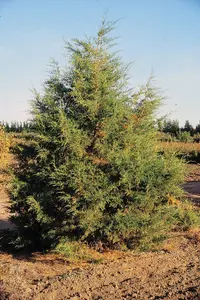
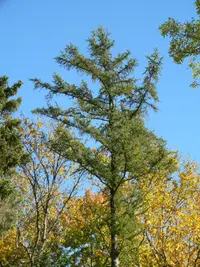
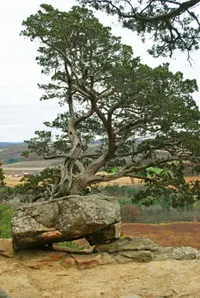
Red cedar, Juniperus virginiana, is an evergreen conifer native to much of eastern and central North America. It often grows as a dense, narrow tree with fragrant, resinous foliage. Mature plants can form a strong central trunk with fibrous, reddish-brown bark and scaled leaves that may appear needle-like on younger growth. Female trees produce bluish berry-like cones that attract wildlife. This species is adaptable to poor, dry, and rocky soils, which makes it relatively forgiving once established. It prefers full sun and well-drained soil, so care for red cedar usually focuses on avoiding prolonged wet conditions and heavy shade.

Main Plant Requirements

Care Difficulty

Easy Care

Light Preference

Full Sun

Water Requirements

Low Water

Temperature Preference

Cold Hardy

Hardiness Zone

2–9

Soil Texture

Sandy, Loamy, Clay

Soil pH

Acidic (5.5–6.5), Slightly acidic (6.5–7.0)

Soil Drainage

Well-drained

Fertilization

Minimal (feed rarely)

Get Personalized Care Plan

Scan your plant to receive care tips personalized for your specific plant

Available on iOS and Android

How to Care for the red cedar

Eastern red cedar thrives in full sun and needs strong light to develop dense foliage.

  • Provide 6–8 hours of direct sun daily; open, unshaded sites are best for sturdy growth and compact form.
  • Plant where it receives morning and midday sun; light afternoon shade is tolerated in hotter regions to limit leaf scorch and moisture stress.
  • Avoid deep or constant shade, which leads to sparse, weak branches; check that nearby trees or buildings do not block sun as they grow seasonally.

This species prefers dry to moderately moist soil and is sensitive to prolonged wet conditions.

  • After planting in the ground, water deeply, then allow the top 5–8 cm of soil to dry before watering again during the first growing season.
  • Once established, rely mainly on rainfall; water only during extended drought when foliage dulls, tips wilt, or new growth droops.
  • Always use well-drained soil or a sloped site; signs of overwatering include yellowing, soft foliage and root rot odor around Juniperus virginiana.

This hardy conifer tolerates a wide temperature range when grown outdoors in typical climates.

  • Optimal active growth occurs around 60–80°F (16–27°C), especially in spring and early summer with moderate soil moisture.
  • Mature trees survive winter lows near -30°F (-34°C); young plants benefit from wind protection during their first 1–2 winters.
  • In hot summers above 90°F (32°C), ensure soil does not stay waterlogged; light mulch helps moderate root temperature and reduce stress.

Eastern red cedar handles a wide humidity range and rarely needs special humidity control.

  • Ideal humidity is 30–50%, similar to typical outdoor and most indoor air in heated homes.
  • Leaves stay healthy in fairly dry air, but prolonged very dry conditions plus heat can cause browning at the tips.
  • If air is extremely dry, reduce reflected heat from nearby walls and mulch the soil surface outdoors to limit moisture loss.

Juniperus virginiana grows best in lean, well-drained mineral soils rather than rich, moisture-holding mixes.

  • Use sandy or gravelly loam with 20–40% coarse sand or grit to keep the root zone dry and oxygenated.
  • Aim for slightly acidic to neutral pH around 6.0–7.5; avoid strongly alkaline or salty sites.
  • For containers, mix roughly 60% pine bark or coarse compost with 40% pumice, perlite, or small gravel for rapid drainage.
  • Avoid heavy clay, peat-heavy potting mixes, or sites where water pools, which promote root rot and weak growth.

This species can be grown in containers, mainly for young plants, compact cultivars, or temporary placement.

  • Choose a deep, heavy pot that resists tipping as the plant gains height and develops a woody trunk.
  • Select a container mix that drains so quickly you may need to water more often, preventing chronic root wetness.
  • Raise the pot on feet or bricks so drainage holes stay clear and excess water leaves rapidly after rain or watering.

Eastern red cedar adapts to poor soils and usually needs minimal fertilization once established in the ground.

  • For young or container-grown plants, use a balanced slow-release fertilizer (such as 10-10-10) in early spring.
  • Apply at 1/2 the label rate to avoid excessive, weak growth and salt buildup.
  • Repeat light feeding once in mid-summer only if growth is pale or sparse.
  • Do not fertilize in late fall or winter, when growth is naturally slow or dormant.

Pruning Juniperus virginiana is useful mainly for maintaining structure, clearance, and plant health.

  • Time structural pruning for late winter to very early spring, before new growth starts.
  • Remove dead, diseased, rubbing, or storm-damaged branches first using clean, sharp bypass pruners or a pruning saw.
  • Thin crowded interior branches slightly to improve airflow, but avoid cutting back into bare, brown, leafless wood.
  • Limit cuts to light shaping of young shoots to preserve the tree’s natural form and prevent long-term disfigurement.

Eastern red cedar is usually grown in the ground, so guidance focuses on transplanting rather than frequent repotting.

  • Transplant in late fall or very early spring when soil is workable and the tree is dormant.
  • Look for roots circling the container, slowed growth, or the plant drying out quickly as signs a container tree needs a larger pot or planting site.
  • Move up only 1 pot size or to a well-drained planting hole, keeping the root flare at soil level.
  • Water deeply after moving, keep soil evenly moist but not waterlogged for several weeks, and avoid heavy pruning at the same time to reduce stress.

Propagation of Juniperus virginiana is commonly done from semi-hardwood cuttings or seeds but requires patience and controlled conditions.

  • Take semi-hardwood cuttings in late summer to early fall from healthy, non-flowering shoots.
  • Use a sharp, clean tool, remove lower foliage, dip bases in rooting hormone, and insert into a fast-draining mix under high humidity and bright, indirect light.
  • For seeds, use fresh, cleaned seed and provide 2–3 months of cold, moist stratification at 34–41°F to break dormancy.
  • Keep both cuttings and seed trays evenly moist, not wet, and expect slow, uneven rooting or germination.

Eastern red cedar is cold hardy across much of the US and usually needs little special winter care once established in the ground.

  • In late fall, apply a 5–8 cm mulch layer around the root zone, keeping it slightly away from the trunk.
  • Young or newly planted trees benefit from burlap windbreaks in exposed, windy sites to limit winter burn.
  • For container-grown plants, move pots into a sheltered, unheated but frost-free or slightly protected area to reduce root freeze–thaw stress.

Care Tips

Plan Wind Exposure

Site trees so prevailing winds hit them from one main direction, which encourages a straight, tapered trunk and reduces the risk of wind-throw in storms.

Create Weed-Free Mulch Ring

Maintain a 60–90 cm grass-free mulch ring around the trunk to reduce competition for moisture and nutrients and to protect the bark from lawn equipment damage.

Use Staking Sparingly

Stake only very young or poorly rooted trees in exposed sites, using loose, flexible ties and removing all staking materials after 1–2 years to allow natural trunk strengthening.

Monitor Bagworm Early

Inspect foliage monthly from late spring through summer for small, hanging bags and hand-pick them before they enlarge, since this is often the most effective and least toxic pest control for growing red cedar.

Manage Lower Branch Density

In landscapes where space is limited, gradually thin congested lower branches over several years rather than removing them all at once, which helps maintain stable structure and reduces stress on the tree.

Common Pests and Diseases

Cedar-apple rust

This disease causes bright orange to rust-brown galls on branches that produce gelatinous horns in wet spring weather and can stunt growth over time. Symptoms include thinning foliage near infected twigs and reduced vigor.

Solution

Prune out and destroy galls during dry weather, cutting several cm below visible infection, and disinfect tools between cuts. Avoid planting susceptible apple and crabapple trees nearby, improve spacing and air movement, and in high-pressure areas use a labeled systemic fungicide in early spring just before horn emergence as part of broader Juniperus virginiana care planning.

Bagworms

These insects live inside spindle-shaped bags made from foliage and silk and can strip branches bare when populations are high. Symptoms include thinning or browning foliage and many small hanging bags that resemble cones.

Solution

Handpick and destroy bags in fall, winter, or very early spring before eggs hatch, focusing on lower and mid-canopy areas that are easiest to reach. For active crawling larvae in late spring to early summer, use a targeted product with Bacillus thuringiensis (Bt) or spinosad and ensure thorough coverage of outer foliage while monitoring for reinfestation each year.

Spider mites

These pests are tiny sap-feeding arachnids that cause foliage to turn dull, stippled, and grayish, often with fine webbing in heavy infestations. Symptoms include overall bronzing of needles and premature needle drop, especially during hot, dry weather.

Solution

Spray foliage forcefully with water on all sides of branches every few days to knock mites off and reduce dust, which favors outbreaks. In persistent cases, apply a horticultural oil or insecticidal soap labeled for mites during cooler parts of the day, repeating as directed, and monitor with a white paper tap test to track populations.

Phomopsis tip blight

This disease affects young shoots, causing them to turn dull green, then reddish-brown, and die back from the tips inward. Symptoms include scattered dead tips with small black fungal fruiting bodies visible on close inspection.

Solution

Prune and discard infected shoot tips during dry weather, cutting back into healthy green tissue, and improve air circulation by thinning crowded branches. Avoid overhead watering, water at the base in the morning, and in high-risk landscapes use a labeled fungicide on new growth in spring when conditions are cool and wet.

Cercospora needle blight

This disease causes inner, older needles to turn yellow, then brown, leading to a thin, bare appearance near the trunk while outer tips remain green. Symptoms include progressive defoliation from the lower interior upward, especially in dense, shaded plantings.

Solution

Rake and remove fallen needles, thin plants to increase light and airflow, and avoid overhead irrigation that keeps foliage wet for long periods. In severe or recurring cases, apply an appropriate foliar fungicide during the growing season when new symptoms first appear, and maintain regular monitoring to catch early discoloration on inner needles.

Interesting Facts

Key host for rust fungus

This species is the primary wild host for the fungal disease cedar–apple rust (Gymnosporangium juniperi-virginianae), which needs both eastern red cedar and susceptible apple or crabapple trees to complete its life cycle.

Remarkably rot‑resistant heartwood

Its fragrant reddish heartwood is naturally high in decay‑resistant compounds, which is why it has long been used for fence posts, cedar chests, and closet lining where resistance to rot and insects is important.

Sexes on separate trees

Eastern red cedar is dioecious, meaning individual trees are either male or female; only female trees produce the bluish, berry‑like cones that feed many birds and help in growing red cedar from seed.

Botan icon

Did you know?

Eastern red cedar was one of the first native North American trees to be heavily logged for pencil wood, and its overuse in the 19th and early 20th centuries led manufacturers to switch largely to incense-cedar (Calocedrus decurrens) as the traditional pencil material once many accessible stands were depleted.

FAQs about red cedar

Growth is moderate, usually 30–60 cm per year once established. Rate depends on sun, soil drainage, and moisture. Seedlings grow slowly at first, then speed up after the root system develops and competition is limited.

Grow Healthy Plants with Botan Care

Keep your plants happy and healthy with plant identification, disease detection, and easy care guidance.

Botan plant care app — identify plants on mobile

Explore More Plants