Diospyros egrettarum Care

Diospyros egrettarum

About Diospyros egrettarum

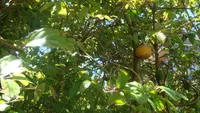
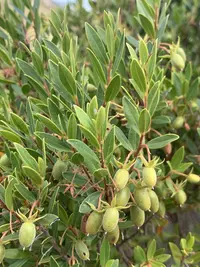
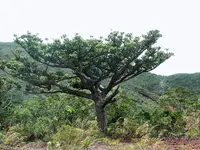
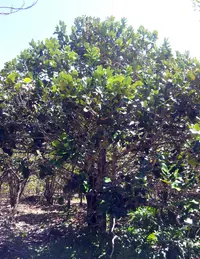
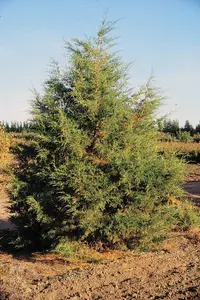
Diospyros egrettarum is a small evergreen tree or large shrub in the ebony family, with dense foliage and a naturally rounded crown. Leaves are usually glossy and leathery, giving it a neat, structured look suitable for ornamental planting in mild climates.

This species is native to Mauritius, where it grows in coastal and lowland forest habitats. It is considered rare in the wild, so cultivated plants are often of conservation interest.

The plant prefers well-drained soil, moderate moisture, and full sun to light shade. It grows slowly and can be sensitive to poor drainage and strong wind, which makes consistent, attentive care for Diospyros egrettarum important for long-term success.

Main Plant Requirements

Care Difficulty

Hard Care

Light Preference

Full Sun

Water Requirements

Moderate Water

Temperature Preference

Tropical / Frost Sensitive

Hardiness Zone

Unknown

Soil Texture

Sandy, Loamy, Organic-rich

Soil pH

Acidic (5.5–6.5)

Soil Drainage

Well-drained

Fertilization

Minimal (feed rarely)

Get Personalized Care Plan

Scan your plant to receive care tips personalized for your specific plant

Available on iOS and Android

How to Care for the Diospyros egrettarum

This coastal ebony prefers bright outdoor conditions with some protection from harsh midday sun.

  • Provide 4–6 hours of direct morning sun with light shade or filtered light after noon, especially in hot, exposed sites.
  • Tolerates light to medium partial shade, but dense shade leads to sparse growth, longer internodes, and fewer flowers or fruits in Diospyros egrettarum.
  • In summer, monitor for leaf scorch or yellowing on west- or south-facing slopes; in winter, ensure access to low-angle sun by avoiding heavy overhead shading.

Watering should support steady growth while keeping the root zone aerated and free-draining.

  • Before watering, allow the top 3–5 cm of soil to dry, then soak the root area thoroughly so excess water drains away quickly.
  • In warm months, expect more frequent watering during dry, windy periods; in cooler or rainy seasons, extend intervals to prevent prolonged saturation.
  • Watch for overwatering signs such as leaf yellowing, soft new growth, or algae on soil, and underwatering signs like dull, curling, or crisp leaf edges.

This species prefers warm, frost-free conditions typical of subtropical coastal climates.

  • Aim for active growth around 68–82°F (20–28°C), with steady warmth and good air movement but no cold drafts at soil level.
  • Trees tolerate brief dips to about 41–45°F (5–7°C), but repeated exposure below 41°F (5°C) slows growth and increases risk of cold damage.
  • Protect from frost, as tissue injury can occur near 32°F (0°C); during heat above 90°F (32°C), provide mulch and some afternoon shade to limit stress.

This coastal dry-forest species tolerates relatively low humidity and usually does not need special humidity management in typical household or outdoor conditions.

Diospyros egrettarum prefers well-structured, mineral-based soil that drains freely yet retains moderate moisture.

  • Use a sandy or sandy-loam mix with 30–40% coarse material such as sharp sand, fine gravel, or pumice to prevent waterlogging.
  • Incorporate 20–30% stable organic matter, such as well-rotted compost, to supply nutrients without making the mix heavy or compacted.
  • Aim for slightly acidic to neutral pH, around 6.0–7.0, and avoid strongly alkaline or saline soils that can limit nutrient uptake.
  • Improve aeration on heavy sites by forming raised beds or mounds and never planting where water stands after rain.

This species can be grown in containers when given a deep, stable pot that suits its developing root system.

  • Choose a tall, heavy container to keep the plant stable as the woody stem and crown gain height and weight over time.
  • Select a potting mix that drains faster than in-ground soil, since containers dry differently and roots are more prone to stagnation.
  • Leave a clear top margin of 3–5 cm inside the rim to allow thorough watering without overflow and to help leach built-up salts.

This coastal ebony is slow growing and usually needs only light feeding in modest soils.

  • Apply a balanced slow-release fertilizer (around 8-8-8 or 10-10-10) at half strength once in early spring.
  • On very poor or sandy sites, top-dress with a thin layer of mature compost, keeping it away from the trunk.
  • Avoid additional feeding in late summer to prevent soft growth that is vulnerable in cooler weather.
  • Do not fertilize during winter dormancy; focus instead on watering only when the root zone is dry.

Diospyros egrettarum benefits from light, periodic pruning to maintain structure and remove weak growth.

  • Carry out pruning in late winter or very early spring, before active growth resumes.
  • Remove dead, diseased, crossing, or storm-damaged branches using clean, sharp bypass pruners or a small saw.
  • Thin congested interior shoots slightly to improve airflow and light penetration without over-opening the canopy.
  • Limit cuts to smaller branches to preserve the natural form and avoid stressing mature framework limbs.

This species is usually grown in the ground, so focus on careful transplanting rather than frequent repotting.

  • Transplant young trees in late winter or early spring, when temperatures are mild and soil is workable.
  • Look for signs like roots circling a nursery pot or clear slowing of growth before moving to a larger container or into the ground.
  • Choose a site with well-drained soil; dig a hole only slightly wider than the root ball to limit disturbance.
  • Set the tree at the same depth, backfill firmly, water thoroughly, then keep soil evenly moist to reduce transplant shock.

Diospyros egrettarum is usually propagated by seed, which can be slow and requires patience and stable conditions.

  • Collect fully ripe seed, clean it, and sow in a well-drained, sandy mix in late winter or early spring.
  • Provide warm conditions around 70–77°F and consistent, light moisture until germination occurs.
  • Use deep containers to accommodate the developing taproot and avoid disturbing seedlings when potting up.
  • Semi-hardwood cuttings are possible but demanding; use rooting hormone, high humidity, and bottom heat to improve success.

This small evergreen ebony is adapted to mild, frost-free climates and has limited tolerance to hard freezes.

  • In regions with occasional light frost, apply 5–8 cm of organic mulch around the root zone, keeping it off the trunk.
  • For young trees, wrap the lower stem with breathable frost cloth during cold snaps to reduce tissue damage.
  • Move container-grown plants to a bright, sheltered porch or unheated greenhouse when temperatures approach 32°F.

Care Tips

Root-zone mulching

Apply a 5–8 cm layer of coarse organic mulch around the root zone, keeping it 5–10 cm away from the trunk, to stabilize soil moisture, cool the roots, and reduce weed competition without encouraging stem rot.

Early structural training

In the first 3–5 years, select a single strong leader and 3–5 well-spaced scaffold branches, removing narrow, rubbing, or crossing shoots to build a stable framework that can resist wind and carry future fruit load.

Wind protection planning

In exposed sites, use temporary windbreak netting or plant the tree on the leeward side of a solid structure so young branches and developing roots are not damaged by persistent strong winds.

Calcium and boron monitoring

On alkaline or very sandy soils, test for and correct calcium and boron deficiencies with targeted, labeled products to support strong new growth, good flowering, and reduce the risk of fruit quality issues when growing Diospyros egrettarum.

Sanitation for disease

Collect and remove fallen leaves, fruit, and pruned twigs at least twice per season and dispose of them away from the planting area to lower the carryover of fungal spores and pests from year to year.

Common Pests and Diseases

Leaf spot fungi

This disease often appears as small dark or tan lesions on older leaves, sometimes with yellow halos and premature leaf drop. Symptoms include more severe spotting during extended warm, humid or rainy periods.

Solution

Remove and discard heavily spotted fallen leaves to reduce inoculum, and avoid overhead watering so foliage dries quickly. Improve airflow around the canopy, and if spotting continues to spread, apply a copper-based fungicide according to label directions during wet seasons as part of broader Diospyros egrettarum care instructions.

Scale insects

These insects attach to twigs, branches, and sometimes leaves, appearing as small, dome-shaped or flattened bumps that do not move. This pest weakens plants by sucking sap, leading to leaf yellowing, reduced growth, and sooty mold on honeydew deposits.

Solution

Prune out and destroy heavily infested twigs, and gently scrub remaining scale colonies on accessible branches with a soft brush and mild soapy water. For persistent infestations, use horticultural oil during the dormant or coolest part of the day, ensuring thorough coverage of bark and leaf undersides.

Mealybugs

These insects form cottony white clumps in leaf axils, on young shoots, and along small roots, feeding on plant sap. This pest can cause distorted new growth, leaf drop, and sticky honeydew that encourages sooty mold.

Solution

Physically remove visible clusters with a cotton swab dipped in isopropyl alcohol, and rinse foliage with a firm stream of water to dislodge remaining insects. For larger trees, apply horticultural oil or insecticidal soap to all infested areas, repeating at 7–10 day intervals until populations are reduced.

Anthracnose

This disease produces irregular dark, sunken lesions along leaf veins and sometimes on young shoots, which may cause leaf distortion and dieback of tender growth. Symptoms include increased damage in cool, wet spring or early summer conditions.

Solution

Collect and dispose of infected leaves and twigs, and avoid overhead irrigation to limit leaf wetness duration. In sites with a known history of anthracnose, consider preventative fungicide sprays based on chlorothalonil or copper at bud-break and early leaf expansion, combined with good canopy thinning to improve light and airflow.

Wood-boring beetles

These insects tunnel into stressed or weakened trunks and larger branches, creating small entry holes, frass (wood dust), and internal galleries that can eventually lead to branch dieback. Symptoms include sudden wilting or yellowing of parts of the canopy despite otherwise adequate water.

Solution

Promptly prune and remove heavily infested or dying branches, cutting back to sound wood and disposing of material off-site. Maintain tree vigor through proper watering and mulching, avoid trunk injuries, and in high-risk areas consider consulting a certified arborist about targeted trunk or systemic treatments to protect valuable specimens.

Interesting Facts

Critically endangered ebony

This species is a rare ebony tree endemic to Mauritius and is listed as Critically Endangered, with its remaining natural populations restricted to small, fragmented forest patches on the island’s drier western and southwestern slopes.

Habitat of the Mauritius kestrel

Remnant stands play an important role in the structure of native dry forest where conservation work for the Mauritius kestrel and other endemic fauna has taken place, so the tree features in several habitat restoration and species recovery programs.

Slow-growing hardwood

It forms very dense, fine-textured hardwood that develops slowly, which historically made it attractive as a timber tree but also contributed to population decline because natural regeneration cannot keep pace with past over-exploitation and habitat loss.

Botan icon

Did you know?

The species is part of a highly localized radiation of ebony trees in the Mascarene Islands, and its survival now depends heavily on active management, including invasive plant control, protection of the last wild trees, and small-scale propagation efforts in Mauritian conservation nurseries.

FAQs about Diospyros egrettarum

This species is evergreen, retaining foliage throughout the year in suitable climates. Individual leaves still age and drop, but the canopy remains largely green when the plant receives adequate moisture, light, and protection from severe cold or salt spray.

Grow Healthy Plants with Botan Care

Keep your plants happy and healthy with plant identification, disease detection, and easy care guidance.

Botan plant care app — identify plants on mobile

Explore More Plants