Early structural training
In the first 2–3 years, select a single strong leader and 3–4 evenly spaced lateral branches, removing competing shoots while they are still soft so the tree develops a stable, storm‑resistant framework.

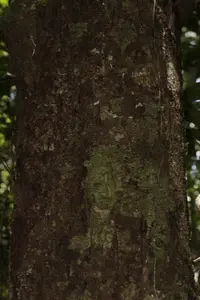
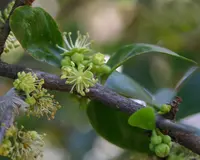
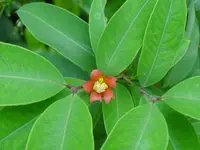
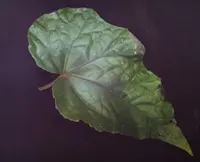
Pouteria cayennensis is a tropical tree species in the sapote family, valued mainly in its native range rather than in general cultivation. It typically grows as a medium to large evergreen tree with dense foliage and simple, leathery leaves, forming a rounded crown. The species occurs in moist lowland forests of northern South America, especially in French Guiana and surrounding regions.
In cultivation it is rarely encountered, so information on how to care for Pouteria cayennensis is limited and based mostly on related species. It generally prefers warm, humid conditions, consistent moisture, and well-drained, organic-rich soil, which makes it best suited to experienced growers or specialized collections rather than casual indoor plant owners.

Care Difficulty
Moderate Care

Light Preference
Partial Shade

Water Requirements
Moderate Water

Temperature Preference
Tropical / Frost Sensitive

Hardiness Zone
Unknown

Soil Texture
Loamy, Sandy, Organic-rich

Soil pH
Acidic (5.5–6.5), Slightly acidic (6.5–7.0)

Soil Drainage
Well-drained

Fertilization
Minimal (feed rarely)
Scan your plant to receive care tips personalized for your specific plant
Available on iOS and Android
This tropical tree prefers bright, warm conditions with protection from harsh midday sun.
This species prefers consistently moist but not saturated soil, especially during active growth.
This tropical tree requires warm, frost‑free conditions to grow and fruit reliably.
This species prefers moderately humid air and reacts noticeably to very dry conditions.
This tropical tree needs deep, well‑structured soil that drains freely yet holds steady moisture.
This tree can be grown in containers when kept compact or young, but it needs careful pot selection for root health.
This species responds to light, steady feeding but can grow acceptably on modest soils once established.
Thoughtful pruning helps maintain structure, safety, and light penetration in this medium to large tree.
This species is usually grown in the ground; transplanting young trees carefully is more important than frequent repotting.
Propagation is usually done from seed, which can be slow and benefits from fresh, viable material.
This is a tropical to subtropical tree with low frost tolerance and needs protection in cooler climates.

Plant Health Check
Not sure what's wrong with your plant? Check your plant's health inside the app.
This species is native to lowland rainforests of northern South America, where it occurs as a canopy or subcanopy tree in humid, evergreen forest rather than in open or seasonally dry habitats.
Like many members of Sapotaceae, it produces a white, sticky latex in its tissues, which likely helps protect it against herbivores and pathogens by sealing wounds and making leaves and bark less palatable.
Field observations indicate that its flowers and young tissues are visited by a relatively narrow set of insect species, suggesting more specialized ecological interactions compared to many generalist tropical trees.
This species is an evergreen tropical tree. In suitable warm, frost-free climates it keeps its foliage year-round, with only gradual leaf replacement rather than a distinct leaf-drop season, provided moisture and nutrients remain reasonably consistent.
Keep your plants happy and healthy with plant identification, disease detection, and easy care guidance.