Arrowhead Plant Care (Syngonium podophyllum 'Pink Allusion')

Also known as: Nephthytis, Arrowhead Vine

About Arrowhead Plant

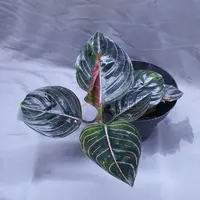
Syngonium podophyllum 'Pink Allusion' is a compact tropical aroid grown mainly as a decorative foliage houseplant. It is valued for its soft pink leaves with green edges and veins. This cultivar has a clumping habit when young and can develop trailing or climbing stems if given support. It originates from Central and South American rainforests, where it grows as an understory vine in warm, shaded, humid conditions. The plant is considered relatively easy for beginners, as it adapts well to typical indoor humidity and moderate, indirect light. Understanding how to care for Arrowhead Plant focuses mainly on controlling light, moisture, and avoiding waterlogged soil.

Main Plant Requirements

Care Difficulty

Easy Care

Light Preference

Bright Indirect Light

Water Requirements

Moderate Water

Temperature Preference

Tropical / Frost Sensitive

Hardiness Zone

10–12

Soil Texture

Loamy, Peaty, Organic-rich

Soil pH

Acidic (5.5–6.5), Slightly acidic (6.5–7.0)

Soil Drainage

Moist but well-drained

Fertilization

Light (every 4–6 weeks)

Get Personalized Care Plan

Scan your plant to receive care tips personalized for your specific plant

Available on iOS and Android

How to Care for the Arrowhead Plant

This cultivar prefers bright, indirect light to maintain compact growth and clear pink variegation.

  • Provide 6–8 hours of bright, filtered light each day, such as near an east or north window or under light shade outdoors.
  • Tolerates partial shade, but Arrowhead Plant foliage may turn greener and leggier if grown in low light for long periods.
  • Avoid harsh midday or afternoon sun, which can scorch leaves; in winter, move it slightly closer to the light source to compensate for weaker light.

Syngonium podophyllum 'Pink Allusion' prefers evenly moist, but not saturated, soil.

  • Water when the top 2–3 cm of soil feels dry, using enough water that excess drains freely from the pot or planting area.
  • Reduce watering in fall and winter when growth slows, allowing the top 3–5 cm to dry to prevent root stress.
  • Watch for yellowing, mushy leaves as a sign of overwatering and crisp, drooping leaves and dry soil as signs of underwatering.

This plant grows best in stable, warm conditions without sudden temperature swings.

  • Aim for 65–80°F (18–27°C) for active growth, with the warm end of the range helping maintain strong variegation.
  • Protect from cold; growth slows below 60°F (16°C) and sustained exposure under 50°F (10°C) can cause leaf damage or dieback.
  • Avoid frost and hot drafts; shield from air below 40°F (4°C) and from prolonged heat above 90°F (32°C), which can cause wilting and stress.

This cultivar prefers moderately high humidity for stable growth and leaf color.

  • Aim for 50–70% humidity; it tolerates brief dips lower but prolonged very dry air leads to leaf edge browning.
  • Crisp tips, curling leaves, and slower unfurling indicate humidity stress in Arrowhead Plant.
  • Increase humidity with a nearby humidifier, clustered plants, or a pebble tray, but keep leaf surfaces dry to limit fungal issues.

This plant grows best in a light, airy, organic-rich potting medium that drains quickly yet retains some moisture.

  • Use a mix of 50–60% peat- or coco-based potting mix with 20–30% perlite and 10–20% fine bark for structure and aeration.
  • Target a slightly acidic pH around 6.0–6.5, which supports nutrient availability and prevents micronutrient lockout.
  • Ensure water moves through the mix within seconds, not minutes; heavy, compacted, or clay-like substrates promote root rot.
  • Avoid pure garden soil or dense compost; instead, increase coarse material like perlite or bark if the mix feels soggy or stays wet for days.

This species is well suited to container growing due to its compact root system and adaptable habit.

  • Choose a container only slightly wider than the root ball so the mix dries evenly and does not stay wet around unused space.
  • Use a stable, heavier pot or add weight if the vine becomes top-heavy or is trained upward on a support.
  • Prefer porous materials like unglazed terracotta when extra evaporation is needed, switching to less porous pots in very dry homes.

Syngonium podophyllum 'Pink Allusion' responds well to light, consistent feeding during the main growing season.

  • Use a balanced liquid fertilizer (for example 10-10-10 or 20-20-20) diluted to 1/4–1/2 strength for Arrowhead Plant in active growth.
  • Feed every 4–6 weeks in spring and summer when light and temperatures are stable.
  • Switch to a slow-release fertilizer or stop liquid feeding in fall and winter, when growth slows.
  • Apply only to moist soil and flush with plain water every 2–3 months to limit salt buildup.

Pruning helps keep Syngonium podophyllum 'Pink Allusion' compact, bushy, and free of weak growth.

  • Do most shaping in spring or early summer, when the plant is actively growing and can recover quickly.
  • Use clean, sharp scissors or pruners to remove yellowing, dead, or damaged leaves at their base.
  • Shorten long, leggy vines just above a node to encourage branching and denser foliage.
  • Thin crowded stems to improve light penetration and air movement around remaining leaves.

Repotting maintains healthy roots and steady growth for this compact indoor aroid.

  • Check for signs such as roots circling the pot, pushing through drainage holes, or noticeably slowed growth.
  • Plan to repot every 1–2 years in spring using a pot 2–5 cm wider with drainage holes.
  • Use a loose, airy mix (indoor potting soil with perlite or bark) and gently tease apart circling roots.
  • Water thoroughly after repotting, keep light bright but indirect, and avoid heavy feeding for 2–3 weeks to limit stress.

This cultivar is commonly propagated from stem cuttings rather than from seed.

  • Take 8–12 cm stem cuttings in late spring or summer, each with 1–2 nodes and at least one healthy leaf.
  • Root cuttings in water or a moist, well-drained substrate under bright, indirect light and 70–80°F.
  • Keep humidity high (50–70%) and the rooting medium lightly moist but never waterlogged.
  • Once strong new roots form, pot into a small container to continue Syngonium podophyllum 'Pink Allusion' plant care.

This tropical houseplant has low cold tolerance and needs indoor conditions above frost level in winter.

  • Keep temperatures around 60–75°F and avoid drafts from windows, doors, or heating vents.
  • Move any outdoor containers indoors before temperatures drop below 55°F, as foliage is frost-sensitive.
  • Maintain moderate watering, allowing the top soil to dry slightly more than in summer, and avoid soggy mix.
  • Provide as much bright, indirect light as possible to reduce winter stretch and leaf yellowing.

Care Tips

Selective Vine Training

Guide the longest vines onto a small trellis or hoop and periodically re-pin them so new growth fills out the center of the pot instead of trailing sparsely from the rim.

Rotational Light Management

Rotate the pot 90° every 1–2 weeks so each side of the plant receives similar light exposure, which keeps the leaf color even and the plant symmetrical rather than leaning toward one direction.

Targeted Leaf Cleaning

Wipe the leaves every 3–4 weeks with a barely damp, soft cloth to remove dust that blocks light and to check closely for early signs of pests on the undersides.

Strategic Pinching Back

Pinch just above a node on leggy stems to encourage side shoots and a denser canopy, then root the healthy tip cuttings in water or sphagnum to expand your collection or thicken the original pot.

Seasonal Growth Assessment

At the end of active growth (late summer), inspect roots and stems and, if the plant is rootbound or top-heavy, plan a repot and light pruning before the next growth cycle to keep caring for Arrowhead Plant more predictable and controlled.

Common Pests and Diseases

Spider mites

This pest often appears when air is warm and dry, causing stippled, faded leaves and fine webbing on the undersides. Symptoms include slow growth and dull, dusty-looking foliage, especially on tender pink leaves.

Solution

Rinse all foliage thoroughly under a gentle shower or tap, focusing on leaf undersides, then let the plant dry in a brighter, indirect light spot with 40–60% humidity. Repeat washing every 5–7 days and use an insecticidal soap or neem oil spray labeled for houseplants until no new stippling or webbing appears.

Mealybugs

These insects form white, cottony clusters in leaf axils, along stems, and sometimes on roots, sucking sap and weakening the plant. Symptoms include sticky residue, distorted new growth, and slowed vigor.

Solution

Isolate the plant, then dab visible mealybugs with cotton swabs dipped in 70% isopropyl alcohol and wipe affected areas. Follow with a thorough spray of insecticidal soap or neem oil every 7–10 days for several cycles, checking closely around petiole joints and under leaves as part of ongoing Syngonium podophyllum 'Pink Allusion' care.

Aphids

These insects cluster on new shoots and the backs of young leaves, feeding on sap and causing curling, puckering, or yellowing. Symptoms include sticky honeydew and sometimes sooty mold on leaf surfaces.

Solution

Move the plant to a sink or shower and wash off colonies with a firm but gentle stream of lukewarm water. After rinsing, treat soft growth with an insecticidal soap spray, repeating weekly until new growth emerges clean and populations do not return.

Bacterial leaf spot

This disease causes water-soaked, translucent patches on leaves that turn brown, often with a yellow halo and irregular shape. Symptoms include quick spreading from one leaf to nearby foliage, especially in high humidity and when leaves stay wet for long periods.

Solution

Immediately remove and discard all affected leaves, sterilizing scissors between cuts with 70% isopropyl alcohol. Improve air movement, avoid wetting foliage, water only at the soil level, and allow the top of the potting mix to dry slightly between waterings; if spread continues, discard heavily infected plants to protect others nearby.

Fungal leaf spot

This disease appears as small, round to oval brown spots that may have darker borders and can merge into larger blotches. Symptoms include premature yellowing and drop of older leaves when humidity is high and airflow is poor.

Solution

Prune off spotted leaves and clean fallen debris from the soil surface to reduce spore sources. Increase spacing and airflow, let the top 2–3 cm of soil dry before watering, avoid overhead watering, and if needed apply a houseplant-safe fungicide according to label directions to protect remaining foliage.

Interesting Facts

Stable pink variegation

Pink Allusion shows a relatively stable pale pink variegation pattern compared to many other pink Syngonium cultivars, with the color concentrated along the veins and inner leaf tissue rather than in random patches.

Compact foliage form

This cultivar tends to stay smaller and more compact than many green-leaved Syngonium podophyllum types, with shorter internodes that keep the arrow-shaped leaves closer together and give the plant a denser appearance.

Muted chlorophyll distribution

The soft, silvery-green background and pink veining reflect an altered distribution of chlorophyll in the leaf, which slightly reduces photosynthetic efficiency compared to solid green forms and contributes to its more delicate coloration.

FAQs about Arrowhead Plant

Brown, crispy edges usually come from low humidity, underwatering, or a buildup of salts from fertilizer and hard water. Increase humidity, water thoroughly but less often, and flush the pot occasionally to remove excess salts.

Grow Healthy Plants with Botan Care

Keep your plants happy and healthy with plant identification, disease detection, and easy care guidance.

Botan plant care app — identify plants on mobile

Explore More Plants