Dwarf turk's cap cactus Care (Melocactus matanzanus)

Dwarf turk's cap cactus

About Dwarf turk's cap cactus

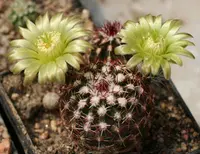
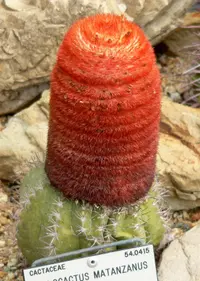
Melocactus matanzanus is a small, slow-growing cactus known for its spherical body and striking woolly, reddish cephalium on top. This cephalium is where small pink to red flowers appear, giving the plant a distinctive, sculptural look.

It is native to Cuba, where it grows in rocky, well-drained habitats with strong sun and limited rainfall. The plant has a shallow root system and does not tolerate overwatering or prolonged cold.

Because of its specific needs and sensitivity to excess moisture, it is considered more suitable for growers who already understand basic cactus care. Learning how to care for Melocactus matanzanus starts with providing bright light, warm temperatures, and a very free-draining mineral substrate.

Main Plant Requirements

Care Difficulty

Hard Care

Light Preference

Full Sun

Water Requirements

Low Water

Temperature Preference

Tropical / Frost Sensitive

Hardiness Zone

11–12

Soil Texture

Sandy, Rocky, Loamy

Soil pH

Slightly acidic (6.5–7.0), Neutral (7.0)

Soil Drainage

Well-drained

Fertilization

Minimal (feed rarely)

Get Personalized Care Plan

Scan your plant to receive care tips personalized for your specific plant

Available on iOS and Android

How to Care for the Dwarf turk's cap cactus

This cactus needs strong light with protection from the harshest midday sun.

  • Provide 6–8 hours of direct morning sun or bright light with light afternoon shade; east or southeast exposure is ideal for Melocactus matanzanus.
  • Outdoors, use filtered light (such as 30–40% shade cloth) in hot climates to prevent bleaching, corking, or sunburned patches on the stem.
  • In winter, move pots to the brightest spot available and rotate every 1–2 weeks so growth stays compact and not lopsided.

This species prefers thorough but infrequent watering in fast-draining substrate.

  • Water only when the top 3–5 cm of soil are completely dry, then soak thoroughly and let excess drain away; avoid leaving any standing water in saucers or cachepots.
  • From late spring to early fall, expect more frequent watering during active growth; in winter, reduce to light sips or none if the soil stays dry and temperatures are cool.
  • Watch for signs: soft, yellowing, or splitting tissue suggests overwatering and possible root rot, while deep wrinkling or slight shrinking indicates it is time to water.

This cactus prefers warm, stable conditions with strong protection from cold and frost.

  • Aim for 70–85°F (21–29°C) during active growth, with brief peaks to 90–95°F (32–35°C) tolerated if light is filtered and airflow is good.
  • Keep above an absolute minimum of 50°F (10°C); below 45°F (7°C) tissue damage and root problems become likely, especially in wet soil.
  • In winter, maintain a cool to warm rest period around 60–70°F (16–21°C), avoiding any frost, cold drafts, or sudden temperature swings near windows or doors.

This desert cactus grows best in dry indoor air, with humidity kept low to moderate.

  • Aim for 20–40% humidity, similar to typical heated indoor conditions in many homes.
  • It tolerates very dry air well, but prolonged humidity above 50% increases the risk of fungal rot at the stem base.
  • Watch for soft, darkened tissue or musty odor as signs of excess humidity, and improve airflow or use a dehumidifier if needed.

This species needs a very fast-draining, mineral-based substrate to prevent root and stem rot.

  • Use a gritty mix such as 30–40% cactus potting mix with 60–70% mineral material (pumice, coarse sand, fine gravel).
  • Aim for slightly acidic to neutral pH around 6.0–7.0, avoiding strongly alkaline mixes that can lock up nutrients.
  • Increase aeration by using large-grain particles (3–6 mm) and avoiding fine peat or coco coir that stay wet too long.
  • Avoid dense, water-retentive garden soil and heavy compost, which compress and suffocate the roots of Melocactus matanzanus.

This cactus is well suited to container growing when the pot is chosen to control moisture and support its heavy crown.

  • Select a pot only 2–3 cm wider than the root ball to limit excess wet substrate and reduce rot risk.
  • Choose unglazed terracotta rather than plastic if extra evaporation is needed in humid or cool climates.
  • Use a stable, low-profile pot shape so the plant remains secure as the cephalium develops and increases the top weight.

This species benefits from light, precise feeding during the warm growing season only.

  • For Melocactus matanzanus, use a low-nitrogen, balanced cactus fertilizer (for example 5-10-10) diluted to 25–50% strength.
  • Feed every 4–6 weeks in late spring through summer, only when the plant is actively growing.
  • Stop feeding in fall and winter to prevent soft, weak tissue and root problems in cool, low-light conditions.
  • Flush the pot with plain water occasionally during the season to reduce salt buildup in the soil.

Melocactus matanzanus needs almost no structural pruning and should be left in its natural shape.

  • Limit work to removing dead, dried flowers or fruit using small, sharp scissors or tweezers.
  • Do not cut into healthy stems or the cephalium, as this can cause lasting damage and infection.
  • If a stem section rots, trim only the affected tissue with sterile tools and improve growing conditions.
  • Brush away loose debris and spent spines gently with a soft brush rather than cutting.

This cactus prefers to stay slightly root-bound and only needs infrequent, cautious repotting.

  • Repot every 3–4 years, or when roots circle the pot base or emerge from drainage holes and growth slows.
  • Plan repotting for late spring, when temperatures are warm and recovery is faster.
  • Use a shallow pot with excellent drainage and a very gritty cactus mix, handling the roots gently to limit damage.
  • Allow roots to dry for 1–2 days after repotting, then water lightly and keep in bright, indirect light while it re-establishes.

Propagation of Melocactus matanzanus is usually done from seed and requires patience and stable conditions.

  • Sow fresh seeds in late spring or early summer on a sterile, very free-draining cactus mix.
  • Press seeds onto the surface, barely cover, then maintain 70–80°F and high, gentle humidity under a clear cover.
  • Provide bright, indirect light and very light bottom watering to avoid damping-off, a fungal seedling disease.
  • Ventilate gradually as seedlings grow, then harden them off slowly to drier air and stronger light over several weeks.

Winter care focuses on keeping this warm-loving cactus dry and above cold-sensitive temperatures.

  • Keep plants indoors or in a heated greenhouse once temperatures drop below 50°F, as it is not frost tolerant.
  • Provide bright light at a south- or west-facing window to compensate for shorter days.
  • Reduce watering sharply, keeping the soil almost dry while ensuring some airflow to prevent rot.

Care Tips

Cephalium protection

Once the cephalium begins to form, avoid handling or brushing this woolly top, as physical damage can slow flower production and create small entry points for fungal pathogens.

Winter dryness control

In cool, low-light winter months, keep the root zone almost dry and rely on slight wrinkling of the stem ribs as the main cue for when a very small drink is needed.

High-mineral top-dress

Use a 1–2 cm top-dressing of coarse grit, pumice, or lava rock to keep the neck of the plant dry, reduce algae and moss, and stabilize this shallow-rooting cactus in its pot.

Salt and hardness check

Monitor tap water hardness and dissolved salts; if white crust forms on the soil or pot rim, switch to collected rainwater or low-mineral bottled water to prevent root stress.

Quarantine and inspection

Quarantine new cacti for at least 2–3 weeks and inspect the cephalium and areoles with a hand lens for mealybugs or scale, since early detection greatly simplifies caring for Melocactus matanzanus.

Common Pests and Diseases

Mealybugs

This pest often hides in the woolly cephalium and at the base of spines, sucking sap and causing yellowing, stunted growth, and sticky honeydew deposits. Symptoms include cotton-like clusters that are hard to reach in the dense crown.

Solution

Isolate the plant, then use a cotton swab dipped in 70% isopropyl alcohol to dab visible insects, repeating weekly until clear. Improve light and air movement, and for heavy infestations apply a systemic insecticide labeled for cacti and succulents, taking special care to saturate the cephalium area without overwatering the roots.

Red spider mites

These insects prefer the dry, warm conditions often used for growing Melocactus matanzanus and can cause fine speckling, dull skin, and webbing between spines. This pest is very small and often noticed only after discoloration appears on the ribs.

Solution

Rinse the plant gently but thoroughly with lukewarm water, focusing on rib grooves and the cephalium base, then let it dry in bright, airy conditions. If activity persists, apply a targeted miticide or neem oil spray labeled for mites, repeating at 7–10 day intervals while avoiding spraying during full sun to prevent skin damage.

Scale insects

This pest appears as hard, rounded or oval bumps along ribs, near areoles, and sometimes within the cephalium, where it feeds on sap and weakens the plant. Symptoms include localized yellow patches, sticky residue, and slow decline over time.

Solution

Manually remove larger scales with a soft brush or toothpick, then wipe affected areas with diluted alcohol to dissolve remaining juveniles. For persistent populations, use a systemic insecticide suitable for cacti so the plant tissues become toxic to the feeding insects, and reduce plant stress by providing stable warmth and strong, indirect light.

Fungal stem spots

This disease develops as sunken, brown to nearly black lesions on the green body, often starting where minor wounds or spine damage occurred. Symptoms include firm or slightly soft patches that may slowly expand and distort the ribs if humidity stays high.

Solution

Cut out small, localized lesions with a sterile knife, allowing the wound to dry and callus in a warm, airy, shaded spot for several days. Reduce watering, avoid overhead wetting of the crown and cephalium, and if spots continue to spread, apply a sulfur- or copper-based fungicide lightly to the affected areas according to label directions.

Bacterial soft rot

This disease causes rapidly soft, water-soaked tissue that collapses, often starting at an injury point or around the base of the cephalium where moisture lingers. Symptoms include foul odor and a mushy, discolored section that can spread quickly through the small stem of this species.

Solution

At the first sign, cut away all affected soft tissue back to firm, healthy material with sterile tools, then keep the plant completely dry in a warm, well-ventilated place to allow callusing. If rot has penetrated deeply and the growing point is destroyed, the plant is usually lost, so future prevention should focus on avoiding wounds, keeping water off the cephalium, and ensuring fast-draining soil and careful watering as part of overall Melocactus matanzanus care instructions.

Interesting Facts

Early cephalium formation

Unlike many other Melocactus species, this species often begins forming its woolly, bristly cephalium when the body is still quite small, sometimes only a few centimeters tall, marking a relatively early switch from vegetative to reproductive growth.

Extremely limited range

This cactus is naturally restricted to a very small area near Matanzas, Cuba, growing on coastal limestone and rocky substrates, which contributes to its conservation concern and rarity in the wild.

Distinct juvenile and adult phase

Young plants have a typical green, ribbed cactus body with only radial spines, but once the cephalium appears, the stem stops elongating and the plant invests almost entirely in the tall, woolly, bristly cap where flowers and fruits are produced.

Botan icon

Did you know?

In its native habitat near Matanzas, this species often grows in very shallow soil pockets on exposed limestone outcrops, where it tolerates intense sun, seasonal drought, and high salinity that would severely stress many other cacti.

FAQs about Dwarf turk's cap cactus

This species grows slowly, often only a few millimeters per year. It may take 4–8 years to form the cephalium, the woolly, bristly structure on top where flowers and fruits appear.

Grow Healthy Plants with Botan Care

Keep your plants happy and healthy with plant identification, disease detection, and easy care guidance.

Botan plant care app — identify plants on mobile

Explore More Plants