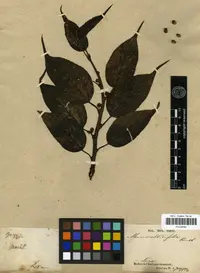
Establish strong framework
Select 3–5 well-spaced main branches while the plant is young and lightly thin out competing shoots to build an open, vase-shaped canopy that carries the heavy, spiny branches safely as the tree matures.

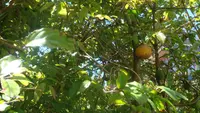
The snuff-box tree, Oncoba spinosa, is a small to medium evergreen tree or large shrub, often with spiny branches and a dense, rounded crown. It produces showy white, crinkled flowers with a yellow center, followed by hard, spherical fruits that resemble small gourds.
This species occurs naturally in dry woodland, savanna, and riverine areas across tropical and southern Africa. It is generally slow-growing and can be somewhat drought-tolerant once established, but young plants prefer regular moisture and well-drained soil.
Light to full sun and protection from severe frost make it easier to care for snuff-box tree, especially in warm, sheltered gardens or large outdoor containers.

Care Difficulty
Moderate Care

Light Preference
Full Sun

Water Requirements
Moderate Water

Temperature Preference
Tropical / Frost Sensitive

Hardiness Zone
10–12

Soil Texture
Sandy, Loamy, Organic-rich

Soil pH
Slightly acidic (6.5–7.0), Neutral (7.0)

Soil Drainage
Well-drained

Fertilization
Minimal (feed rarely)
Scan your plant to receive care tips personalized for your specific plant
Available on iOS and Android
This African shrub thrives in bright, open positions with strong light and some protection from extreme afternoon heat.
This species prefers a deep, infrequent watering pattern once established, combined with freely draining soil.
This species prefers warm, frost-free conditions and shows best growth in stable, subtropical to tropical climates.
This species tolerates a wide humidity range and rarely needs special humidity management.
Oncoba spinosa prefers sharply draining, moderately fertile substrates that do not stay wet for long.
This species can be grown in containers if the pot supports its woody root system and eventual height.
This species grows acceptably in lean soils but benefits from light feeding in containers or nutrient-poor ground.
Pruning Oncoba spinosa focuses on safety, structure, and flowering wood management rather than heavy reshaping.
This species is usually grown in the ground, so transplanting young plants carefully matters more than frequent repotting.
Oncoba spinosa is most reliably propagated from seed, with cuttings used less often and requiring controlled conditions.
This warm-climate shrub or small tree dislikes hard frost and needs protection in regions with cold winters.

Plant Health Check
Not sure what's wrong with your plant? Check your plant's health inside the app.
The large white flowers have thick, overlapping petals and a dense tuft of stamens that give a texture and appearance often compared to a cracked china teacup, which inspired the common name snuff-box tree.
Mature fruits develop into very hard, woody capsules that can persist on the tree for long periods and were traditionally used in some regions as small containers, including for holding powdered snuff.
This species develops stout, sharp spines along its branches, an adaptation that helps protect it from browsing by large herbivores in its native African savanna and woodland habitats.

Genetic and morphological studies place this species within the passionflower family, Passifloraceae, despite its flowers looking quite different from the typical passionflower, illustrating how floral form can vary widely within a single plant family.
Lack of flowers often comes from insufficient light, young age, or heavy pruning that removed flowering wood. Nutrient imbalance, especially excess nitrogen, can also reduce buds. Stable warmth and avoidance of hard pruning just before flowering help.
Keep your plants happy and healthy with plant identification, disease detection, and easy care guidance.