Celery Pine Care (Phyllocladus trichomanoides)

Also known as: Tānekaha, Mountain Toatoa
Celery Pine

About Celery Pine

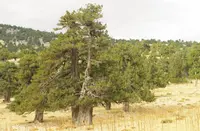
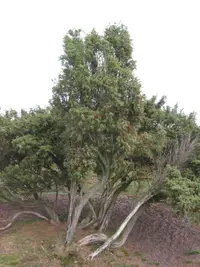
Celery pine (Phyllocladus trichomanoides) is an evergreen conifer native to New Zealand forests. It forms a small to medium tree with a narrow, upright crown.

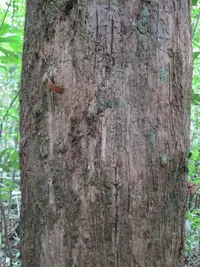
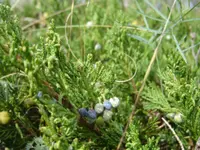
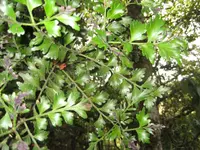
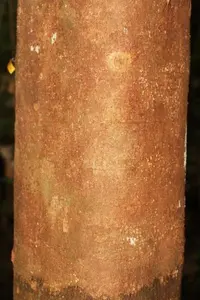
Its distinctive, flattened green cladodes look like leaves but are actually modified stems, giving the plant a fine, fernlike texture. Bark is typically dark and furrowed with age.

Growth is slow to moderate, and the tree prefers cool, mild climates, reliable moisture, and acidic, well-drained soil. It does not tolerate extreme heat or prolonged drought well.

In suitable climates, it is considered a manageable and relatively low-maintenance landscape tree, as long as site conditions match its natural preferences and the gardener understands how to care for Celery Pine.

Main Plant Requirements

Care Difficulty

Moderate Care

Light Preference

Partial Shade

Water Requirements

Moderate Water

Temperature Preference

Cool Climate

Hardiness Zone

8–10

Soil Texture

Loamy, Sandy, Organic-rich

Soil pH

Acidic (5.5–6.5)

Soil Drainage

Moist but well-drained

Fertilization

Minimal (feed rarely)

Get Personalized Care Plan

Scan your plant to receive care tips personalized for your specific plant

Available on iOS and Android

How to Care for the Celery Pine

This slow-growing conifer prefers bright, gentle sun with protection from harsh midday exposure.

  • Provide 3–5 hours of direct morning sun with light afternoon shade, or bright dappled light under taller trees for Celery Pine.
  • Tolerates partial shade but growth becomes looser if light drops below roughly 2–3 hours of direct or strong filtered light daily.
  • In hot summers, shield from strong afternoon sun to prevent needle scorch, and in winter, ensure it still receives open sky light, not deep shade.

This species prefers evenly moist, cool soil that never stays saturated for long periods.

  • In the ground, allow the top 3–5 cm of soil to dry slightly, then water deeply so moisture reaches the full root zone.
  • Use freely draining, organic-rich soil; avoid compacted or waterlogged sites that cause root rot, yellowing foliage, and dieback in Phyllocladus trichomanoides.
  • In summer heat, monitor more often and watch for drooping or curling cladodes as a sign to water, while persistent soggy soil or a sour smell indicates overwatering.

This tree prefers mild, frost-tolerant conditions and dislikes extreme heat or severe cold.

  • Optimal growth occurs around 55–72°F (13–22°C), typical of mild coastal or temperate climates with cool nights.
  • Mature plants tolerate brief drops near 20°F (−6°C), but young trees benefit from protection when temperatures fall below 25°F (−4°C).
  • In hot regions, prolonged temperatures above 86°F (30°C) can stress the plant, so combine partial shade with mulch to keep roots cool and reduce heat damage.

This conifer prefers moderate, stable humidity and usually adapts well outdoors.

  • Aim for 40–60% humidity, which suits most temperate outdoor conditions where Celery Pine is grown.
  • It tolerates brief dry air spells, but extended hot, dry winds can brown cladodes and tender shoot tips.
  • If air is very dry, shelter the plant from strong wind and mulch the root zone to reduce evaporative stress.

Phyllocladus trichomanoides performs best in cool, moist, well-drained, slightly acidic soil.

  • Use a loamy or sandy-loam structure enriched with fine organic matter to balance moisture retention and aeration.
  • Ensure free drainage; water must percolate quickly, as persistent waterlogging leads to root decline and fungal problems.
  • Aim for a slightly acidic pH around 5.5–6.5, avoiding strongly alkaline or chalky substrates that restrict nutrient uptake.
  • For container or planting mix, combine compost, fine bark, and a proportion of coarse sand or perlite to prevent compaction.

This species can be grown in large containers for many years when stability and drainage are carefully managed.

  • Choose a deep, heavy container that resists tipping as the plant becomes taller and more wind-exposed.
  • Select a potting mix that drains freely yet holds some moisture, then raise the pot on feet to keep drainage holes clear.
  • Position containers where wind exposure is reduced, since tall plants in pots are more prone to rocking and root disturbance.

This conifer grows slowly and needs only modest, balanced nutrition when cultivated, including Celery Pine in containers or poor soils.

  • Use a balanced, slow-release fertilizer (for example 10-10-10) or well-rotted compost in early spring.
  • Apply a light dose every 6–8 weeks through late summer, skipping feeding in fall and winter.
  • Use fertilizer at 1/2 strength for container plants to avoid root burn and excessive, weak growth.
  • Water before and after feeding so nutrients disperse evenly and salts do not concentrate around roots.

Pruning Phyllocladus trichomanoides is mainly corrective, aimed at maintaining structure and removing problem wood.

  • Carry out light pruning in late winter or very early spring before new growth starts.
  • Remove dead, damaged, crossing, or crowded branches with clean, sharp bypass pruners or a pruning saw.
  • Limit cuts to small branches to preserve the tree’s natural form and steady, upright habit.
  • Avoid cutting into thick older wood, which may not reshoot well and can leave large, slow-healing wounds.

This species is usually grown in the ground, so focus on careful transplanting of young trees rather than frequent repotting.

  • Transplant in late winter or early spring when soil is workable and the tree is still dormant.
  • Look for roots circling the container or slowed top growth as signs a nursery plant needs a larger site.
  • Handle the root ball gently, loosening only lightly at the edges to limit root stress and breakage.
  • Set the plant at the same soil level as before, water thoroughly, and maintain even moisture until well established.

Propagation of Phyllocladus trichomanoides is possible but slow and often challenging for home growers, so it is not commonly attempted.

This tree is generally cold hardy in mild, coastal climates and needs only minimal winter care once established.

  • In colder areas, apply a 5–8 cm mulch layer over the root zone in late fall, keeping it away from the trunk.
  • Shelter young trees from harsh winter winds using windbreak fencing or nearby structures.
  • For container plants in marginal climates, move pots to a sheltered, unheated but frost-free spot over winter.

Care Tips

Shelter From Wind

Site plants where taller shrubs or windbreak fencing reduce strong, drying winds, since exposed sites cause uneven growth and increase the risk of branch damage in storms.

Formative Leader Training

In the first 3–5 years, select a single strong central leader and lightly remove competing upright shoots annually to build a stable, straight trunk suitable for long-term landscape use.

Mulch Root Zone

Maintain a 5–8 cm layer of composted bark or wood chips over the root zone, keeping it 5–10 cm away from the trunk, to stabilize soil moisture and protect the plant’s fine surface roots from temperature extremes.

Careful Root Disturbance

Avoid deep cultivation, lawn edging, or frequent replanting close to the base, as the species has sensitive, fibrous surface roots that respond poorly to disturbance.

Seasonal Health Checks

Inspect branchlets and inner canopy at least twice a year for scale insects, browning pads, or dieback, so any problems in caring for Celery Pine can be addressed early with pruning or targeted treatment.

Common Pests and Diseases

Armillaria root disease

This disease is caused by Armillaria fungi in poorly drained or previously forested soils, leading to progressive decline and death in established trees. Symptoms include thinning foliage, dieback of branch tips, and white fungal mycelium under the bark at the base of the trunk or on major roots.

Solution

Remove and destroy severely affected trees and as much of the infected stump and major roots as practical to reduce inoculum in the soil. Avoid replanting Celery pine or other highly susceptible conifers in the same location, improve drainage where possible, and maintain tree vigor through correct watering and mulching to help tolerant trees withstand infection.

Leaf blight

This disease affects the flattened cladodes (leaf-like stems), causing brown to dark olive lesions that may merge, giving the crown a scorched appearance. Symptoms include premature drop of cladodes and a generally thin canopy, especially in humid, shaded sites.

Solution

Prune out and remove affected shoots to limit spread, and dispose of debris away from the planting area. Improve air circulation by selective thinning of nearby vegetation, avoid overhead irrigation, and if the tree is valuable and disease pressure is high, a trained arborist can apply an appropriate copper-based or systemic fungicide during the main infection period.

Scale insects

These insects attach to cladodes and young stems, appearing as small, rounded or oval bumps that excrete sticky honeydew. This pest can cause yellowing, weakened growth, and may encourage sooty mold growth on the honeydew surface.

Solution

For light infestations, gently wipe or brush off scales from accessible cladodes and prune heavily infested twigs. For larger trees, encourage natural predators, avoid excess nitrogen fertilization, and have a professional apply targeted horticultural oil or a systemic insecticide timed to crawler stages as part of broader Phyllocladus trichomanoides care.

Interesting Facts

Leaf-like stems

This species has phylloclades, which are flattened leaf-like stems that carry out most of the photosynthesis instead of true leaves, an unusual feature among conifers.

Endemic New Zealand conifer

It occurs naturally only in New Zealand, where it is a characteristic tree of lowland and montane forests from Northland to the northern South Island.

Valued native timber

Its fine-textured, pale, straight-grained wood has been used in New Zealand for high-quality joinery, interior finishing, and specialty woodworking due to its workability and stable seasoning.

Botan icon

Did you know?

This species plays a notable role in traditional Māori culture, where its durable, workable wood was historically used for items such as tools and house components, and its presence in forests is associated with long-term, relatively stable forest communities in parts of New Zealand.

FAQs about Celery Pine

This species is generally slow-growing. Young trees may add 15–30 cm per year, sometimes less in dry or exposed sites. Growth speeds up slightly with age when planted in deep, fertile, consistently moist but well-drained soil.

Grow Healthy Plants with Botan Care

Keep your plants happy and healthy with plant identification, disease detection, and easy care guidance.

Botan plant care app — identify plants on mobile

Explore More Plants