Shandong Maple Care (Acer truncatum)

Also known as: Shantung Maple
Shandong Maple

About Shandong Maple

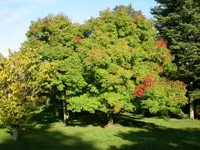
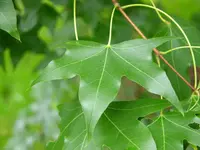
Shandong maple, Acer truncatum, is a small to medium deciduous tree valued for its compact form and reliable autumn color. It typically develops a rounded crown with neat, five-lobed leaves that turn yellow, orange, or red in fall.

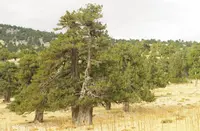
This maple is native to northern China and nearby regions, where it grows in temperate climates with cold winters. It is generally considered adaptable and easier to manage than many other maples, which makes it suitable for urban gardens and smaller yards.

Gardeners often choose it for its tolerance of heat, moderate drought, and a range of soils, as long as drainage is good. Those looking to learn how to care for Shandong Maple usually focus on providing sun, moderate moisture, and protection from extreme soil compaction.

Main Plant Requirements

Care Difficulty

Moderate Care

Light Preference

Full Sun

Water Requirements

Moderate Water

Temperature Preference

Cold Hardy

Hardiness Zone

4–8

Soil Texture

Loamy, Sandy, Clay

Soil pH

Acidic (5.5–6.5), Slightly acidic (6.5–7.0)

Soil Drainage

Well-drained

Fertilization

Minimal (feed rarely)

Get Personalized Care Plan

Scan your plant to receive care tips personalized for your specific plant

Available on iOS and Android

How to Care for the Shandong Maple

This small maple prefers bright outdoor light with moderate sun exposure for best color and growth.

  • Provide 4–6 hours of direct sun daily, ideally with morning sun and light afternoon shade to reduce leaf scorch risk.
  • In hotter climates, give Shandong Maple dappled or filtered light after midday; strong late-afternoon sun can burn tender leaves.
  • In cooler regions, a site with full sun is suitable, but monitor new growth in spring and during heatwaves for leaf edge browning.

This species prefers consistently moist but not saturated soil, especially while establishing.

  • Allow the top 3–5 cm of soil to dry before deep watering, soaking the root zone rather than applying frequent shallow drinks.
  • During hot, dry periods, increase watering when leaves lose turgor or curl slightly by late afternoon, then recover by morning after watering.
  • Reduce watering in fall as growth slows; signs of excess water include yellowing leaves and soggy soil, while crisp brown edges indicate drought stress.

This hardy maple tolerates a wide range of outdoor temperatures when planted in the ground.

  • Optimal growing temperatures are about 60–80°F (16–27°C) during the growing season for steady shoot and leaf development.
  • Acer truncatum withstands winter lows near -20°F (-29°C) when established, but young trees benefit from mulch over the root zone.
  • In summer, prolonged heat above 90°F (32°C) combined with dry winds can scorch leaves, so provide soil moisture and some afternoon shade.

Acer truncatum handles a wide humidity range and usually does not need special humidity management outdoors.

  • Performs well in 30–60% humidity typical of most temperate outdoor climates.
  • Tolerates brief dry air spells without damage, provided soil moisture is consistent.
  • Only in very hot, dry winds might Shandong Maple show leaf edge browning, where windbreaks and regular watering help more than added atmospheric humidity.

Acer truncatum grows best in moderately moist, well-drained mineral soils with some organic matter.

  • Use a loamy structure that combines sand, silt, and clay, enriched with 20–30% compost to support root development.
  • Aim for slightly acidic to neutral pH around 6.0–7.2, avoiding strongly alkaline or saline soils that restrict nutrient uptake.
  • On heavy clay sites, improve drainage and aeration by incorporating coarse sand or fine gravel plus compost into the top 20–30 cm.
  • Avoid waterlogged, compacted, or very shallow soils, which limit oxygen around roots and increase risk of root rot.

This species can be grown in containers for several years, especially as a patio or terrace specimen.

  • Select a wide, heavy container to counter the tree’s canopy leverage and reduce risk of tipping in strong winds.
  • Choose thick-walled ceramic or concrete pots to buffer rapid moisture swings and protect roots from heat.
  • Use a deep pot to allow a stable root plate, ensuring at least 35–45 cm depth for young trees to anchor securely.

Acer truncatum responds well to moderate, targeted feeding during the active growing season.

  • Use a balanced, slow-release granular fertilizer (for example, 10-10-10) or well-rotted compost worked lightly into the root zone in early spring.
  • Feed container plants every 4–6 weeks with a diluted balanced liquid fertilizer at 1/2 strength during spring and summer.
  • Avoid fertilizing during late fall and winter dormancy to prevent soft, frost-tender growth.
  • Water thoroughly after feeding Shandong Maple to move nutrients into the root zone and reduce salt stress.

Pruning Acer truncatum is mainly about maintaining structure, safety, and good airflow.

  • Schedule main pruning during late winter or very early spring, before buds swell.
  • Remove dead, diseased, crossing, or inward-growing branches to open the canopy and reduce disease risk.
  • Thin crowded interior shoots rather than heavy heading cuts to keep a natural, balanced form.
  • Use clean, sharp bypass pruners or a pruning saw, making cuts just outside the branch collar.

Acer truncatum is usually grown in the ground, so care focuses on correct planting and occasional transplanting of young trees.

  • Transplant in early spring or early fall when temperatures are mild and soil is workable.
  • Look for circling roots in nursery containers; gently tease them apart before planting to prevent girdling.
  • Plant at the same depth as in the pot, spreading roots over a wide, loosened area and backfilling with native soil.
  • Water deeply after transplanting, then keep soil evenly moist and mulch 5–8 cm deep to reduce root stress.

Propagation of Acer truncatum is possible but somewhat technical for home growers.

  • Sow fresh seed in fall outdoors or after 2–3 months of cold stratification at 34–41°F to break dormancy.
  • Use a free-draining seed mix, keep it just moist, and allow 50–70°F for germination in spring.
  • Take semi-hardwood cuttings in mid to late summer, treat bases with rooting hormone, and place in high humidity and bright shade.
  • Air-layering selected branches in late spring to early summer can produce larger, genetically identical plants over 1–2 seasons.

This maple is cold hardy in much of its range and usually needs minimal winter care once established.

  • In fall, apply a 5–8 cm layer of mulch over the root zone, keeping it a few cm away from the trunk.
  • Young or newly planted trees benefit from burlap wraps around trunks in windy, exposed sites to reduce bark injury.
  • Move container-grown Acer truncatum into an unheated garage or sheltered area where temperatures stay mostly above 20°F.

Care Tips

Root flare check

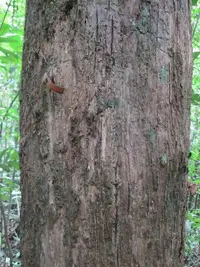
When planting or inspecting established trees, ensure the root flare sits just above soil level and gently remove excess mulch or soil from the trunk base to prevent rot and girdling roots.

Single-leader training

In the first 3–5 years, select one strong central leader and remove or shorten competing upright shoots during late winter to create a stable structure that better resists wind and ice.

Wide staking method

If staking young trees in windy sites, use 2–3 stakes placed outside the root ball with flexible ties set low and slightly loose so the trunk can move and develop strength while staying upright.

Summer canopy thinning

In mid to late summer, selectively thin small interior twigs rather than removing large branches to improve air flow and light penetration, which reduces foliar disease and promotes balanced growth when growing Shandong Maple.

Trunk and root-zone protection

Keep a 5–10 cm deep mulch ring out to the drip line and use a physical barrier or edging near the trunk to protect the bark and surface roots from string trimmers and lawn mowers.

Common Pests and Diseases

Verticillium wilt

This disease causes sudden wilting, leaf scorch, and branch dieback, often on one side of the tree, as the fungus blocks water-conducting tissue.

Solution

Prune out and destroy affected branches, sterilizing tools between cuts, and avoid replanting maples or other susceptible species in the same soil; support the tree with consistent watering during dry periods, 5–8 cm of mulch over the root zone (kept away from the trunk), and avoid root injury or heavy fertilization that can stress the plant.

Leaf scorch

Symptoms include browning or bronzing along leaf margins and between veins, often in hot, dry, or windy conditions or in high-salt soils.

Solution

Improve soil moisture by deep, infrequent watering, maintain 5–8 cm of organic mulch to keep roots cool, and provide light afternoon shade in hotter regions; avoid high-salt fertilizers and irrigate with good-quality water to reduce stress and improve Acer truncatum care instructions overall.

Tar spot

This disease produces yellow spots on leaves that later develop raised, black, tar-like patches but rarely causes serious long-term damage.

Solution

Rake and remove fallen leaves in autumn to reduce fungal spores, and if the problem is severe in humid areas, improve air circulation around the canopy by selective thinning cuts rather than heavy topping.

Maple gall mites

These mites trigger small raised galls, blisters, or pouch-like growths on leaf surfaces, which can distort foliage but usually do not threaten tree health.

Solution

Prune and dispose of heavily affected leaves early in the season and encourage natural predators by avoiding broad-spectrum insecticides; in severe, recurring cases on young trees, apply a horticultural oil spray at bud break according to label directions.

Asian longhorned beetle

This pest bores into trunks and branches, leaving round exit holes, sawdust-like frass, and dieback in the crown as it disrupts internal tissues.

Solution

Inspect trunks and major branches regularly for exit holes and frass, report any suspected infestation to local agricultural or forestry authorities immediately, and remove and destroy infested trees only under official guidance to prevent spread in areas where this regulated pest is present.

Interesting Facts

Natural hybridization role

In parts of northern China, Acer truncatum readily hybridizes with the related Acer platanoides, and this natural cross is the basis for the ornamental hybrid Acer x freemanii 'Warrenred', often marketed as Pacific Sunset maple, valued for its strong structure and bright fall color.

High oil content seeds

The winged seeds of Acer truncatum contain relatively high levels of nervonic acid, a monounsaturated fatty acid of interest in nutritional and neurological research, which has led to plantation trials in China for seed oil production.

Cold and drought tolerance

This species evolved on the dry, cold-tolerant temperate fringes of northern China and Korea, which explains its notable resilience to urban stress, road salt, and continental climates compared with many other maples.

Botan icon

Did you know?

Acer truncatum was selected in China as one of the first maple species for large-scale seed orchards specifically aimed at nervonic-acid-rich oil production, making it both an ornamental street tree and an emerging industrial oilseed crop.

FAQs about Shandong Maple

Yes, this tree grows well in large containers if root space and drainage are good. Choose a sturdy pot, use high-quality potting mix, and plan to root-prune or repot every few years to prevent decline.

Grow Healthy Plants with Botan Care

Keep your plants happy and healthy with plant identification, disease detection, and easy care guidance.

Botan plant care app — identify plants on mobile

Explore More Plants