Root flare check
When planting or inspecting an established tree, ensure the root flare sits slightly above soil level and gently remove excess mulch or soil from the trunk base to reduce risk of rot and girdling roots.

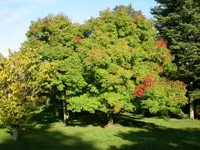
Chosen maple, Acer triflorum, is a small to medium deciduous tree valued for its attractive bark and reliable autumn color. It belongs to the group of three-flowered maples, named for its clusters of three small spring flowers.
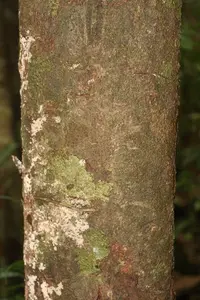
The tree forms a rounded crown with layered branches and tri-lobed leaves that turn rich shades of orange, red, or yellow in fall. Its peeling, papery bark provides extra winter interest.
This species is native to northeastern China and Korea, where it grows in cool, temperate woodlands. It is considered a relatively slow-growing but steady landscape tree.
Chosen maple prefers full sun to light shade, evenly moist but well-drained soil, and benefits from a sheltered site in hotter or very windy regions, which simplifies how to care for Chosen Maple.

Care Difficulty
Moderate Care

Light Preference
Full Sun

Water Requirements
Moderate Water

Temperature Preference
Cold Hardy

Hardiness Zone
4–7

Soil Texture
Loamy, Sandy, Organic-rich

Soil pH
Acidic (5.5–6.5), Slightly acidic (6.5–7.0)

Soil Drainage
Moist but well-drained

Fertilization
Minimal (feed rarely)
Scan your plant to receive care tips personalized for your specific plant
Available on iOS and Android
This small deciduous tree prefers bright, cool sun with some protection from intense afternoon exposure.
This species prefers evenly moist, well-drained soil and does not tolerate prolonged dryness or waterlogging.
This hardy maple thrives in cool to moderate climates with cold winters and mild to warm summers.
Acer triflorum generally tolerates typical outdoor humidity and does not need special humidity management.
Acer triflorum grows best in deep, moist, well-drained, slightly acidic to neutral soil.
This species can be grown in containers for a limited period, mainly while young, if managed carefully.
This maple grows well in average soil and benefits from light feeding rather than heavy fertilization.
Pruning Acer triflorum is usually light and focused on maintaining a healthy, open structure.
Acer triflorum is mostly grown in the ground, so transplanting young trees correctly is more important than frequent repotting.
Propagation of Acer triflorum is possible but slow and best suited to patient growers or nurseries.
This species is cold hardy in much of the northern US and usually needs minimal winter care once established.

Plant Health Check
Not sure what's wrong with your plant? Check your plant's health inside the app.
Its name triflorum refers to the unusual arrangement of flowers in groups of three on a shared stalk, a feature not common across most maples and useful for field identification.
Mature trees develop thick, corky bark that peels in small, vertical strips, providing winter interest and offering microhabitats for insects and small invertebrates.
This species is valued in temperate landscapes for its consistently strong autumn display, typically showing clear yellow, orange, and sometimes red tones even in colder climates.

Acer triflorum is considered one of the hardiest trifoliate maples, tolerating significantly colder winter temperatures than its close relatives Acer griseum and Acer nikoense, which helps explain its successful use in northern collections and arboreta.
This species is considered slow growing, typically adding about 15–30 cm of height per year under good conditions. Growth is faster in deep, well-drained soil and cooler climates with consistent moisture.
Keep your plants happy and healthy with plant identification, disease detection, and easy care guidance.