Formative tree training
In the first 3–4 years, select a single strong leader and 3–5 well-spaced main branches, removing steep, crossing, or low scaffold branches to build a stable, open canopy that can support heavy pods.

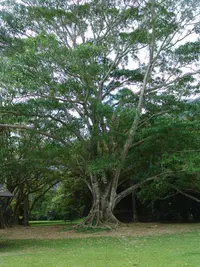
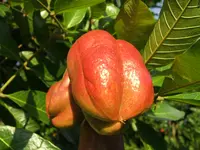
Pacay (Inga feuillei) is a fast-growing tropical tree in the legume family, valued for its long, podded fruits with sweet, cottony pulp. It typically develops a broad, spreading crown with soft, pinnate leaves that cast light, filtered shade. In the wild it occurs in Andean and lowland regions of South America, often along rivers and in warm valleys.
The species grows best in warm, frost-free climates with full sun, regular moisture, and well-drained, reasonably fertile soil. Its rapid growth and size make it better suited to outdoor planting in suitable climates than to containers, so anyone planning to care for pacay should allow enough space and warmth.

Care Difficulty
Moderate Care

Light Preference
Full Sun

Water Requirements
Regular Water

Temperature Preference
Tropical / Frost Sensitive

Hardiness Zone
10–12

Soil Texture
Loamy, Sandy, Organic-rich

Soil pH
Acidic (5.5–6.5), Slightly acidic (6.5–7.0)

Soil Drainage
Moist but well-drained

Fertilization
Minimal (feed rarely)
Scan your plant to receive care tips personalized for your specific plant
Available on iOS and Android
Inga feuillei grows best in bright, warm climates with protection from harsh midday sun.
This species prefers consistently moist, well-drained soil and does poorly in standing water.
This tropical tree thrives in warm, frost-free climates and is sensitive to cold snaps.
This species prefers moderately humid air but adapts if moisture needs are monitored.
This species performs best in deep, loose, organic-rich ground that drains freely yet retains some moisture.
This tree can be grown in large containers for several years if root space and stability are managed carefully.
Inga feuillei responds well to moderate feeding in poor soils but often grows adequately in fertile ground without much input.
Pruning Inga feuillei helps manage size, encourage a strong framework, and improve light penetration into the canopy.
This species is usually grown in the ground, so focus on careful transplanting of young trees rather than frequent repotting.
New Inga feuillei plants are most commonly raised from seed, with warm, moist conditions needed for good establishment.
This tropical tree is frost-sensitive and needs protection in regions with cool or freezing winters.

Plant Health Check
Not sure what's wrong with your plant? Check your plant's health inside the app.
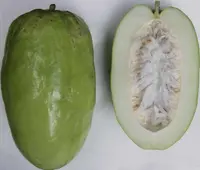
The pods contain large seeds surrounded by a sweet, white, cotton-like pulp that is eaten fresh in many Andean regions and often compared in texture to cotton candy.
This species is native mainly to inter-Andean valleys and riverbanks in Peru, Ecuador, and nearby areas, where it grows along watercourses and helps stabilize fragile slopes and stream margins.
Farmers in parts of the Andes plant this tree to provide light, filtered shade for crops and homesteads, using its broad, spreading crown to moderate strong sun and create comfortable microclimates.

The species was cultivated and favored by pre-Columbian Andean cultures for its sweet pod pulp, and archaeobotanical evidence indicates that its use as a fruit tree in the region predates European contact by many centuries.
The pods are edible. The white, cottony pulp around the seeds is sweet and usually eaten fresh. Seeds are typically not eaten raw. As with any new food, try small amounts first to check personal tolerance.
Keep your plants happy and healthy with plant identification, disease detection, and easy care guidance.