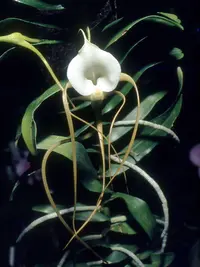
Blue Quandong Care (Elaeocarpus angustifolius)

Also known as: Blue Marble Tree
Blue Quandong

About Blue Quandong

Blue quandong, Elaeocarpus angustifolius, is a fast-growing evergreen tree valued for its glossy foliage, pale flowers, and striking bright blue fruit. In nature it forms a tall, straight trunk with a dense crown, typically found in tropical and subtropical rainforests of Australia and parts of Southeast Asia.

The tree prefers warm, frost-free climates, consistent moisture, and deep, well-drained soil. It is generally considered suitable for larger gardens or landscapes rather than small spaces.

It is moderately easy to manage if its size and water needs are respected, but less suited to very dry or cold regions. Understanding how to care for Blue Quandong starts with providing stable warmth, adequate water, and room for the root system to develop.

Main Plant Requirements

Care Difficulty

Moderate Care

Light Preference

Full Sun

Water Requirements

Regular Water

Temperature Preference

Tropical / Frost Sensitive

Hardiness Zone

10–11

Soil Texture

Sandy, Loamy, Organic-rich

Soil pH

Acidic (5.5–6.5), Slightly acidic (6.5–7.0)

Soil Drainage

Moist but well-drained

Fertilization

Minimal (feed rarely)

Get Personalized Care Plan

Scan your plant to receive care tips personalized for your specific plant

Available on iOS and Android

How to Care for the Blue Quandong

This fast-growing rainforest tree needs bright, consistent light to form a strong canopy and fruit well.

  • Provide 6–8 hours of light daily, ideally with morning sun and light afternoon shade, especially in hotter climates.
  • Site Blue Quandong in full sun to light partial shade; young trees benefit from some filtered light under higher canopy during establishment.
  • Watch for pale, sparse foliage and slow growth as signs of insufficient light, and scorched, crispy leaf edges as evidence of too much intense afternoon sun.

Reliable moisture supports rapid growth and stable health in this deep-rooted tree.

  • Irrigate when the top 3–5 cm of soil feels dry, soaking the root zone deeply rather than giving shallow splashes.
  • Ensure soil is well-drained but moisture-retentive; standing water, sour smell, or yellowing, soft leaves indicate overwatering.
  • In hot, dry periods increase watering frequency, while in cooler or rainy seasons reduce it, watching for drooping, curling leaves as a sign of underwatering in Elaeocarpus angustifolius.

This species thrives in warm, frost-free climates typical of lowland and coastal rainforest zones.

  • Aim for 68–86°F (20–30°C) for strongest growth, with consistent warmth promoting faster canopy and trunk development.
  • Protect from temperatures below 41°F (5°C); light chills can slow growth, while frost can damage young shoots, bark, and flower buds.
  • Mature trees tolerate short heat spikes up to about 100°F (38°C) if soil moisture is adequate, but prolonged hot, dry winds can cause leaf scorch and tip dieback.

This species prefers moderately high humidity but adapts to many garden conditions in warm climates.

  • Aim for 50–70% humidity, especially for young or container-grown Blue Quandong plants.
  • Dry indoor air can cause leaf-tip browning and slow growth, though established outdoor trees usually tolerate brief drops.
  • Increase humidity near container specimens with grouped plants, a pebble tray, or a humidifier rather than frequent misting.

This tree prefers deep, moist, well-drained soil with plenty of organic matter.

  • Use a loamy mix with 40–60% organic material such as composted bark or leaf mold, plus coarse sand for structure.
  • Ensure fast drainage so water does not pool around the roots; standing water greatly increases root-rot risk.
  • Aim for slightly acidic to neutral pH around 6.0–7.0, avoiding strongly alkaline conditions that can cause nutrient lockout.
  • For Elaeocarpus angustifolius in containers, combine compost, pine bark, and perlite to improve aeration and reduce compaction over time.

This species can grow in containers for several years, especially when young or kept smaller than its typical tree size.

  • Choose a tall, heavy container to stabilize the developing woody trunk and reduce tipping in wind.
  • Select a pot material with some weight, such as thick terracotta or glazed ceramic, to balance the tree’s upright canopy.
  • Allow generous surface area and depth so structural roots can anchor firmly without circling tightly near the pot walls.

Elaeocarpus angustifolius benefits from modest, balanced feeding when grown in gardens or containers.

  • Use a balanced slow-release fertilizer (around 10-10-10 NPK) or well-rotted compost at the start of the growing season.
  • Apply fertilizer 1–2 times during spring–summer, depending on soil quality and tree vigor.
  • Reduce feeding in fall and stop during winter dormancy, especially in cooler regions.
  • For Blue Quandong in pots, use a half-strength liquid balanced fertilizer every 4–6 weeks in active growth.

Pruning helps maintain structure and safety for Elaeocarpus angustifolius, especially in cultivated landscapes.

  • Carry out light structural pruning in late winter or early spring before strong new growth starts.
  • Remove dead, diseased, crossing, or storm-damaged branches using clean, sharp bypass pruners or a pruning saw.
  • Thin crowded interior branches slightly to improve air flow and light penetration without over-opening the canopy.
  • Limit cuts to smaller branches where possible to preserve natural form and reduce stress on the tree.

This fast-growing tree is usually field-grown but may need careful transplanting or upsizing when container-raised.

  • Transplant or pot up in late winter to early spring when conditions are mild and soil is workable.
  • Look for roots circling the pot, water running straight through, or stalled growth as cues for moving to a larger container.
  • Shift to a container 1–2 sizes larger, using free-draining, slightly acidic soil and firming gently around roots.
  • Water thoroughly after transplanting, shade lightly for 1–2 weeks, and keep soil evenly moist to minimize root stress.

Propagation of Elaeocarpus angustifolius is possible but slower and more technical than many smaller ornamentals.

  • Sow fresh seeds in warm conditions (70–77°F) using a free-draining mix; germination can be slow and irregular.
  • Lightly scarify or nick hard seed coats, then soak seeds in water for 12–24 hours to improve uptake and germination.
  • Take semi-hardwood cuttings in late spring–summer, using rooting hormone and high humidity under bright, filtered light.
  • Maintain stable warmth at the root zone and avoid waterlogging to support root development and reduce losses.

This tropical to subtropical tree has low frost tolerance and needs protection in colder climates.

  • In-ground trees in mild zones benefit from 5–8 cm of organic mulch over the root zone, kept away from the trunk.
  • In areas with light frosts, wrap young trunks with breathable horticultural fleece during cold snaps.
  • Move container plants indoors or into a frost-free greenhouse when temperatures approach 40°F.
  • Reduce watering in cool conditions while preventing the root ball from completely drying out.

Care Tips

Deep rooting setup

When planting in the ground, use a tall, deep planting hole and loosen the subsoil to at least 50–60 cm so roots can anchor well and better support the eventual tall canopy.

Early wind training

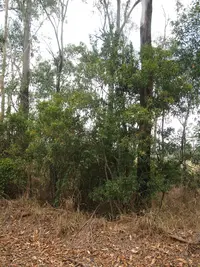
In windy sites, install a single, sturdy stake on the windward side for the first 2–3 years and tie the trunk loosely in a figure‑eight pattern to encourage a straight, strong leader without rubbing damage.

Mulch for root protection

Apply a 5–8 cm layer of coarse organic mulch in a wide ring around the tree, keeping it 5–10 cm away from the trunk, to stabilize soil moisture, moderate temperature, and protect shallow feeder roots from heat stress.

Canopy space planning

When growing Blue Quandong, allow at least 5–6 m clearance from buildings, power lines, and other large trees to prevent overcrowding and to give the crown room to develop its natural form.

Fruit and litter management

If planted near paths or patios, install a leaf and fruit net or schedule regular raking during fruiting season to reduce slipping hazards and discourage fruit‑feeding animals from congregating under the tree.

Common Pests and Diseases

Tea mosquito bug

This pest feeds on tender shoots, leaves, and developing flower buds, causing brown lesions, leaf distortion, and dieback on young growth. Symptoms include small puncture marks that expand into necrotic patches and reduced flowering or fruit set.

Solution

Prune and destroy badly affected shoot tips and spent panicles to remove breeding sites, then monitor new flushes regularly during warm, humid periods. Encourage natural predators, avoid excessive nitrogen that promotes soft new growth, and, if needed, use a targeted oil-based or pyrethroid spray directed to young shoots in the late afternoon, following local label instructions.

Coconut scale

This pest forms small, hard, brown to grayish bumps along leaves, twigs, and fruit, leading to yellowing foliage and branch decline in heavy infestations. These insects suck sap and can weaken trees, especially in dry or stressed conditions.

Solution

Trim and dispose of heavily infested twigs to reduce the population, then wash accessible foliage with a strong stream of water to dislodge scales. For ongoing control, apply horticultural oil thoroughly to leaves and stems during mild weather to smother crawlers and young scales, and improve tree vigor through proper watering and mulching.

Sooty mold

This disease appears as a black, powdery or velvety coating on leaves and twigs, usually growing on the honeydew excreted by sap-sucking insects such as scales or bugs. Symptoms include reduced photosynthesis, dull foliage, and sometimes premature leaf drop.

Solution

Rinse affected foliage with water and a mild, non-detergent soap solution to remove the mold film, then focus on controlling the underlying honeydew-producing pests with pruning, washing, and targeted oil sprays. Improve light penetration and airflow through selective thinning so leaves dry faster and mold is less likely to build up.

Anthracnose leaf spot

This disease causes small, dark, sunken spots on leaves that may enlarge and coalesce, sometimes leading to irregular leaf blotches and partial defoliation in humid weather. Symptoms include tan to brown centers with darker margins and possible spotting on young twigs or fruit stalks.

Solution

Collect and discard fallen leaves and prune out heavily spotted shoots to reduce sources of infection, then maintain good spacing and canopy thinning so foliage dries quickly after rain. In areas with recurrent problems, apply a copper-based or other registered fungicide at the start of warm, wet periods, following local guidelines and avoiding repeated unnecessary treatments.

Leaf miner

This pest creates winding, pale tunnels within the leaf tissue, leading to blotchy, distorted foliage and occasional premature leaf drop on young plants. This pest affects mostly tender leaves and can reduce overall vigor if infestations are heavy and persistent.

Solution

Remove and destroy leaves showing fresh, active mines to interrupt the life cycle, focusing especially on lower and inner canopy leaves. Encourage beneficial parasitic wasps by avoiding broad-spectrum insecticides, and if damage continues to increase, use a systemic insecticide labeled for leaf miners on ornamental trees, applied according to local regulations and timing recommendations for Elaeocarpus angustifolius plant care.

Interesting Facts

Striking blue drupes

This species produces vivid cobalt-blue fruits whose color comes mainly from structural coloration, created by microscopic layers in the skin that reflect blue light rather than by blue pigment.

Keystone rainforest tree

In its native tropical rainforests of Australia and parts of Southeast Asia, the tree forms part of the upper canopy and its abundant fruits feed many birds, including cassowaries, which help disperse its seeds over long distances.

Not a true quandong

Although commonly called blue quandong, it is not closely related to the edible desert quandong Santalum acuminatum and belongs instead to the family Elaeocarpaceae, with different fruit chemistry and ecology.

Botan icon

Did you know?

The intense blue fruit of this species is one of the best-studied examples of structural color in plants, making it a model organism in research on how nonpigment-based colors evolve and function in nature.

FAQs about Blue Quandong

This species is evergreen, retaining foliage year-round in suitable climates. Old leaves are shed gradually as new growth appears, so the canopy usually stays dense and green unless exposed to strong stress such as drought, cold, or root damage.

Grow Healthy Plants with Botan Care

Keep your plants happy and healthy with plant identification, disease detection, and easy care guidance.

Botan plant care app — identify plants on mobile

Explore More Plants