Dendrobium closterium Care

Dendrobium closterium

About Dendrobium closterium

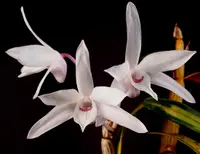
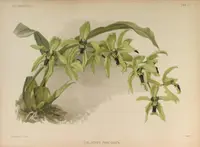
Dendrobium closterium is a small to medium-sized epiphytic orchid that typically grows on trees in warm, humid forests. It forms slender canes with narrow leaves and produces delicate, often fragrant flowers along the stems.

This species is native to parts of Southeast Asia, where it experiences bright filtered light, moving air, and regular moisture with short drier periods. Its compact growth and attractive blooms make it appealing to orchid collectors.

The plant is moderately demanding, as it reacts quickly to poor watering habits and stale air. Anyone wanting to learn how to care for Dendrobium closterium should be prepared to provide good light, careful watering, and stable, warm conditions.

Main Plant Requirements

Care Difficulty

Hard Care

Light Preference

Bright Indirect Light

Water Requirements

Moderate Water

Temperature Preference

Tropical / Frost Sensitive

Hardiness Zone

11–12

Soil Texture

Sandy, Organic-rich

Soil pH

Acidic (5.5–6.5)

Soil Drainage

Well-drained

Fertilization

Moderate (every 2–4 weeks)

Get Personalized Care Plan

Scan your plant to receive care tips personalized for your specific plant

Available on iOS and Android

How to Care for the Dendrobium closterium

This orchid prefers bright, filtered light similar to bright forest shade.

  • Provide 4–6 hours of bright, indirect light daily, such as dappled shade under taller plants or shade cloth outdoors.
  • Allow gentle early morning sun but protect from strong midday and afternoon sun, which can scorch leaves and yellow them.
  • In winter, move Dendrobium closterium to a slightly brighter position, watching for pale, floppy leaves as a sign of insufficient light.

Watering should balance frequent moisture with excellent drainage to protect the roots.

  • Let the potting mix drain freely and water again when the top 2–3 cm feel dry, using thorough soakings rather than light splashes.
  • In active growth, increase watering frequency and never leave the roots standing in water; in cooler months, allow slightly longer drying between waterings.
  • Watch for wrinkled pseudobulbs and dry, papery roots as underwatering signs, and soft, blackened roots or a sour smell as overwatering warnings for Dendrobium closterium.

Temperature management should aim for warm to intermediate conditions with gentle seasonal drops.

  • Target 65–80°F (18–27°C) by day and 55–65°F (13–18°C) at night during active growth for steady development.
  • Protect the plant from temperatures below 45°F (7°C); it is not frost hardy and cold snaps can damage leaves and roots.
  • Short periods up to 90°F (32°C) are tolerated if humidity and air movement are high, but sustained heat or hot, stagnant air stresses the plant and can halt flowering.

This orchid prefers consistently moist air to maintain healthy canes and leaves.

  • Aim for 60–80% humidity, using a hygrometer to monitor levels near the plant.
  • Tolerates brief dips to 40–50%, but prolonged dry air causes wrinkled pseudobulbs and crisp leaf tips.
  • Increase humidity with pebble trays, grouped plants, or a fine-mist humidifier, while keeping leaves able to dry quickly.

Dendrobium closterium grows best in a very airy, fast-draining epiphytic-style medium rather than regular potting soil.

  • Use a chunky mix of medium orchid bark, a small amount of sphagnum moss, and perlite to balance moisture and air spaces.
  • Ensure water drains through within seconds; the medium should feel moist but never waterlogged or compacted.
  • A slightly acidic to neutral pH around 5.5–6.5 suits this species and helps nutrient uptake.
  • Avoid dense peat-based or garden soils that hold water tightly and suffocate roots, increasing rot risk.

This species is well suited to containers, especially shallow orchid pots or mounted baskets.

  • Choose a pot just wider than the root mass to keep the medium drying at a steady, moderate rate.
  • Use a sturdy, heavier pot or hang basket securely, as mature canes can make the plant top-heavy.
  • Select plastic if extra moisture retention is needed, or slotted terracotta to speed drying in humid climates.

This orchid benefits from light, consistent feeding during active growth for balanced Dendrobium closterium care.

  • Use a balanced orchid fertilizer (around 20-20-20) diluted to 1/4–1/2 strength in low-mineral water.
  • Feed every 2–3 weeks in spring and summer when new roots and canes are developing.
  • Reduce feeding to once a month at very weak strength in fall and stop during true winter rest if growth pauses.
  • Flush the pot with plain water monthly to avoid salt buildup around the roots.

Pruning focuses on hygiene and managing old canes rather than reshaping the plant.

  • After flowering, remove only dead, blackened, or shriveled canes and leaves with sterilized scissors or pruners.
  • Leave firm, green or yellow-green canes, as they can store energy and may flower again or support new growth.
  • Trim spent flower spikes back to the cane, avoiding damage to nearby nodes or emerging buds.
  • Discard diseased material in household waste, and disinfect tools between plants to reduce pathogen spread.

Repotting is occasional and mainly done to refresh medium or accommodate crowded roots.

  • Plan to repot every 2–3 years, or when roots circle the pot, medium decomposes, or growth slows despite good care.
  • Choose late winter to early spring, just before new root tips emerge, to minimize transplant shock.
  • Gently loosen the root ball, trim dead brown roots, and place the plant in a snug orchid pot with fresh, coarse bark mix.
  • Keep roots slightly on the drier side for 5–7 days after repotting, then resume normal watering once new growth is active.

Propagation of Dendrobium closterium is mainly done by division, best timed with repotting.

  • Divide mature clumps in late winter or early spring when several healthy canes and strong roots are present.
  • Use a sterile knife or pruners to separate sections with at least 3–4 robust canes and a good root mass.
  • Pot each division in fresh orchid bark, keeping canes upright and roots spread naturally in a snug container.
  • Maintain warm temperatures, bright filtered light, and slightly higher humidity to encourage new roots and shoots.

Winter care focuses on avoiding cold damage and adjusting watering for a cooler, slower-growth period.

  • This orchid is frost-sensitive; keep temperatures above 50–55°F, ideally indoors in cooler regions.
  • Move container plants to a bright, cool room with good air movement but no cold drafts or direct heater airflow.
  • Allow the medium to dry more between waterings in winter, especially if light and temperature are reduced.
  • Avoid fertilizing during the coolest, lowest-light months if growth is minimal, resuming feeding as spring activity returns.

Care Tips

Mounting strategy

Mount plants on hardwood slabs or cork with a thin pad of long-fiber sphagnum so roots can dry rapidly yet stay evenly aerated, which closely mimics their natural epiphytic habit.

Airflow management

Use a small oscillating fan on a low setting to keep gentle air movement around canes and roots, which reduces fungal problems and helps new roots dry predictably after watering.

Watering by cane

Adjust watering frequency based on the plumpness of the canes rather than the calendar; slightly wrinkling canes signal it is time to water more thoroughly or frequently.

Seasonal rest cues

In late fall, reduce water and stop nitrogen-heavy fertilizer once new canes have fully matured, and resume normal feeding only when fresh root tips and new growth appear in spring.

Targeted pest checks

Inspect leaf axils, cane joints, and the undersides of older leaves with a hand lens every few weeks, since scale insects and spider mites often establish in these protected areas first when growing Dendrobium closterium.

Common Pests and Diseases

Scale insects

This pest feeds on sap and appears as small, dome-shaped bumps on canes, leaves, and flower spikes, often causing yellowing and reduced vigor. Sticky honeydew and black sooty mold may develop on affected areas.

Solution

Isolate the plant, then wipe canes and leaves with cotton pads dipped in isopropyl alcohol to remove visible scale, repeating weekly until no new insects appear. Improve air movement, avoid overfertilizing with nitrogen, and use a labeled horticultural oil or insecticidal soap, making sure to wet the undersides of leaves and crevices between pseudobulbs.

Spider mites

These insects prefer warm, dry conditions and cause fine speckling, dull leaves, and sometimes fine webbing on the undersides and between leaves. Symptoms include slower growth and premature leaf drop if the infestation is severe.

Solution

Increase humidity and rinse the foliage thoroughly under lukewarm water, focusing on leaf undersides, then let the plant dry in bright, indirect light. For persistent populations, apply an orchid-safe miticide or insecticidal soap in several treatments 5–7 days apart, and avoid placing the plant in very dry, stagnant air.

Bacterial soft rot

This disease causes water-soaked, rapidly spreading lesions on pseudobulbs and leaves that turn brown, soft, and foul-smelling. Infections often start in trapped water at leaf bases or wounds and can destroy canes quickly in warm, humid conditions.

Solution

Immediately remove and discard all affected tissue with sterile tools, cutting back into firm, healthy tissue, and keep the cut surfaces dry. Improve air circulation, avoid water sitting in leaf axils, reduce overhead watering, and, if local regulations allow, use a copper-based bactericide labeled for orchids on remaining healthy tissue as a preventive measure.

Fusarium wilt

This disease blocks the water-conducting tissues, leading to wrinkled pseudobulbs, stunted new growth, and leaves that yellow and drop despite apparently adequate watering. Affected canes may show a purple or brown discoloration in the vascular ring when cut across the base.

Solution

Remove and discard severely affected canes and sanitize cutting tools between each cut, then repot in fresh, well-draining orchid media and discard the old mix. Reduce stress by providing stable warmth, bright but indirect light, and careful watering, and source any new divisions or plants from reputable growers that monitor for Fusarium, as part of responsible Dendrobium closterium care.

Virus complex

This disease group, often involving Cymbidium mosaic virus or Odontoglossum ringspot virus, causes distorted, streaked, or mottled flowers and sometimes irregular dark or light patches on leaves. Symptoms include plants that bloom poorly or inconsistently even under correct cultural conditions.

Solution

There is no cure, so remove and discard heavily symptomatic plants to protect the rest of the collection and never reuse their potting media. Disinfect cutting tools between plants, control sap-sucking insects such as aphids and thrips that spread viruses, and quarantine any new Dendrobium plants for observation before placing them near existing specimens.

Interesting Facts

Miniature cloud-forest orchid

This species is a small epiphyte native to cool, misty montane forests in New Guinea, where it grows on trees in high-humidity, high-rainfall habitats often referred to as cloud forests.

Clustered pendant blooms

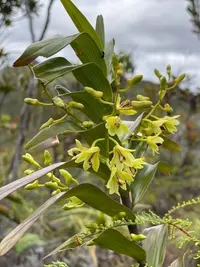
It produces many small, pale to yellowish flowers tightly packed along short, hanging inflorescences, creating dense clusters that can nearly cover the slender pseudobulbs when in full bloom.

Subtle but fragrant flowers

Although the flowers are small and visually understated compared to many showy relatives, they are reported by specialist growers to have a noticeable fragrance, an important trait for pollinator attraction in its shaded forest environment.

FAQs about Dendrobium closterium

This species usually flowers once a year, often in late winter to spring, depending on climate and rest conditions. Mature, well-grown plants can produce multiple flowering canes at the same time along their pseudobulbs.

Grow Healthy Plants with Botan Care

Keep your plants happy and healthy with plant identification, disease detection, and easy care guidance.

Botan plant care app — identify plants on mobile

Explore More Plants