Gouritz Haworthia Care (Haworthia chloracantha)

Gouritz Haworthia

About Gouritz Haworthia

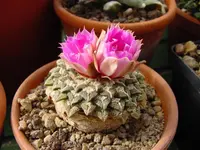
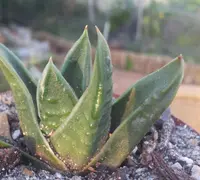
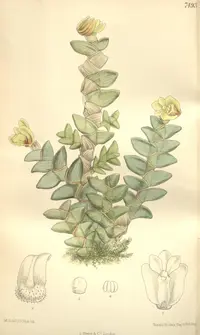
Gouritz Haworthia (Haworthia chloracantha) is a small, slow-growing succulent from South Africa, often forming tight clumps of narrow, pointed green leaves. The leaves are usually firm, with translucent or lightly lined surfaces that help the plant cope with strong sun in its native habitat. It stays compact and low to the ground, which makes it suitable for windowsills, desks, and small container displays. This species is generally considered easy to grow, as it tolerates occasional neglect and does not need frequent watering. Bright, indirect light, a gritty, fast-draining soil mix, and careful watering are usually enough to successfully care for Gouritz Haworthia.

Main Plant Requirements

Care Difficulty

Easy Care

Light Preference

Bright Indirect Light

Water Requirements

Low Water

Temperature Preference

Tropical / Frost Sensitive

Hardiness Zone

10–11

Soil Texture

Sandy, Loamy, Rocky

Soil pH

Acidic (5.5–6.5), Slightly acidic (6.5–7.0)

Soil Drainage

Well-drained

Fertilization

Minimal (feed rarely)

Get Personalized Care Plan

Scan your plant to receive care tips personalized for your specific plant

Available on iOS and Android

How to Care for the Gouritz Haworthia

Haworthia chloracantha prefers bright but gentle light that protects its leaves from harsh midday sun.

  • Provide 4–6 hours of bright, indirect light or soft morning sun; light shade is suitable, especially in hotter regions where Gouritz Haworthia naturally occurs.
  • Avoid strong midday or afternoon sun, which can cause leaf scorch, bleaching, or hard brown patches on the foliage.
  • In winter, move plants to a brighter spot or use filtered south- or west-facing light to compensate for shorter, weaker daylight.

Haworthia chloracantha needs infrequent, thorough watering that allows the soil to dry between soakings.

  • Water only when the top 3–5 cm of soil are completely dry, then soak and let excess drain away so roots do not sit in water.
  • Reduce watering sharply in winter, often to every few weeks, while in warm active growth you may water more often if the soil dries faster.
  • Watch for overwatering signs like mushy, translucent leaves and a sour smell; slight leaf wrinkling signals it is time to water.

This species prefers moderate warmth and avoids both frost and extreme, prolonged heat.

  • Aim for 65–80°F (18–27°C) during active growth, which supports steady root activity and firm leaf development.
  • Protect from temperatures below 40°F (4°C); brief dips may be tolerated, but frost can damage or kill the rosettes.
  • In hot spells above 90°F (32°C), give light shade and airflow, and avoid placing plants against heat-reflective walls or baking surfaces.

This species handles typical indoor humidity well and rarely needs adjustment.

Haworthia chloracantha prefers a mineral-rich, sharply drained mix that dries quickly between waterings.

  • Use a gritty, sandy mix such as 50–70% inorganic material combined with 30–50% organic matter for root stability.
  • Combine cactus mix with coarse sand, perlite, or pumice to create fast drainage and prevent water from lingering around the roots.
  • Keep soil slightly acidic to neutral, around pH 6.0–7.0, which supports nutrient uptake without increasing rot risk.
  • Avoid dense, peat-heavy or moisture-retentive mixes that stay wet for more than 2–3 days, and always discard saucer runoff.

This compact succulent is very suitable for container growing.

  • Choose a wide, shallow pot to match its fibrous, relatively shallow root system and reduce unused wet soil at depth.
  • Select unglazed terracotta if extra evaporation is needed in cooler, low-light locations to reduce the chance of root rot.
  • Ensure drainage holes clear quickly by using a coarse bottom layer of larger pumice or gravel rather than relying on decorative cachepots.

Haworthia chloracantha grows well with light feeding during its active season in spring and summer.

  • Use a diluted balanced liquid fertilizer (around 10-10-10 or 20-20-20) at 1/4–1/2 strength in well-watered soil.
  • Feed every 4–6 weeks during active growth; skip if leaves stay firm and green and growth is satisfactory.
  • Avoid fertilizing in winter or dormancy; excess nutrients at this time can lead to weak, stretched growth.
  • For caring for Gouritz Haworthia in pots, avoid rich compost; a lean, gritty succulent mix with modest feeding is safer.

Haworthia chloracantha needs minimal pruning, mainly for cleanliness and to maintain compact form.

  • Best time is during active growth in spring or early summer when recovery is fastest.
  • Remove dead, shriveled, or damaged leaves at the base using clean, sharp scissors or small snips.
  • Thin out crowded offsets only if rosettes press tightly together or trap debris, which can encourage rot.
  • Pruning spent flower stalks at the base after blooming directs energy back to root and leaf growth.

This species prefers to stay slightly root-bound and only needs repotting when growth slows or roots circle the pot.

  • Check for roots emerging from drainage holes, circling the root ball, or noticeably slowed growth as repotting signals.
  • Plan to repot every 2–3 years in spring, refreshing the gritty, fast-draining succulent mix at the same time.
  • Gently tease apart circling roots, trim any rotten tissue with sterile tools, and avoid aggressively loosening healthy roots.
  • After repotting Haworthia chloracantha, keep in bright, indirect light and withhold water for 3–5 days to limit root stress.

Haworthia chloracantha is most commonly propagated by division of offsets around the mother rosette.

  • Divide offsets in spring or early summer when plants are actively growing and recover faster.
  • Lift the clump, gently separate pups with some attached roots, and let any broken surfaces dry for 1–2 days.
  • Plant divisions in a dry, well-drained succulent mix and water lightly after the first week to encourage rooting.
  • Seed propagation is possible under warm (70–75°F), bright but indirect light, though growth is much slower.

This succulent is not frost hardy and needs careful winter care in regions with freezing temperatures.

  • For container plants, move indoors before temperatures drop below 40°F, placing in bright, indirect light.
  • Keep soil almost dry in winter, watering only enough to prevent shriveling and avoiding cold, wet conditions.
  • Outdoors in mild climates, grow in sharply drained soil and consider a gravel mulch to keep the crown dry.

Care Tips

Rotate For Symmetry

Turn the pot 90° every 2–3 weeks so rosettes receive light from all sides and develop compact, even growth instead of leaning toward one direction.

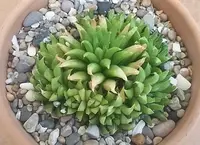
Use Topdressing Gravel

Apply a 0.5–1 cm layer of clean, inert grit or small gravel on the soil surface to keep the leaf bases dry, reduce fungus gnat activity, and improve air flow around the crown.

Seasonal Rest Adjustment

In the coolest, lowest-light months, slightly reduce watering frequency and avoid repotting or dividing, as the plant shifts into a semi-resting phase and recovers more slowly from root disturbance.

Cluster Division Timing

Divide offsets only when clusters are dense and the offset has its own visible roots, then allow any broken surfaces to dry for 1–2 days before replanting to lower the risk of rot.

Prevent Sun-Scorch

Before moving the plant outdoors or closer to a bright window, increase light exposure gradually over 10–14 days to avoid leaf bleaching or hard sun spots, which is a key aspect of Haworthia chloracantha plant care.

Common Pests and Diseases

Aloe mite

This pest causes distorted, lumpy galls on leaves and rosettes, often with rough or warty growths that do not resemble normal tissue. Symptoms include stalled new growth and permanently deformed leaf tips or centers.

Solution

Remove and discard all visibly affected leaves or entire rosettes, cutting back into healthy, firm tissue with a sterile blade, then dispose of waste in the trash. Isolate the plant, avoid overhead watering, and if nearby haworthias or aloes show early swelling, treat the collection with a targeted miticide labeled for eriophyid mites while also improving spacing and air movement.

Mealybugs

These insects appear as small white cottony clusters in leaf axils, between tight leaves, and around the base of the rosette and roots. Symptoms include sticky residue, slowed growth, and shriveling leaves despite normal watering.

Solution

Physically remove aboveground mealybugs with a cotton swab dipped in 70% isopropyl alcohol, then drench the potting mix with systemic insecticide if label-approved for succulents. Quarantine the plant, inspect roots for soil mealybugs during the next repot, and switch to a fast-draining mineral mix to discourage re-infestation when growing Gouritz Haworthia.

Aphids

These insects sometimes colonize soft new growth and flower stalks, forming small green, black, or brown clusters. Symptoms include curling or misshapen leaves, sticky honeydew, and occasional black sooty mold on affected surfaces.

Solution

Rinse aphids off with a firm stream of water, then treat remaining clusters with insecticidal soap or neem oil, ensuring full coverage of leaf bases and flower stalks. Reduce high-nitrogen fertilizer, maintain good air circulation around the plant, and remove heavily infested flower stalks to break the reproductive cycle.

Fungal leaf spots

This disease produces small water-soaked or translucent areas that turn brown or black, sometimes with a darker margin on older leaves close to the soil line. Symptoms include slow-expanding lesions on lower leaves, especially in humid or poorly ventilated conditions.

Solution

Remove affected leaves at the base with a sterile tool and discard them, then keep foliage dry and water only at the soil level. Improve light and airflow, avoid crowding pots, and in persistent cases apply a low-toxicity fungicide labeled for succulents, following the recommended interval until no new spots develop.

Soft bacterial rot

This disease starts as a wet, translucent patch on the leaf or crown that quickly becomes mushy, foul-smelling, and collapses the rosette. Symptoms include rapid tissue breakdown from the center, often after mechanical injury combined with excess moisture and warmth.

Solution

Immediately cut away all soft, discolored tissue back to firm, healthy material with a sterile blade, and allow the plant to dry in bright, indirect light before replanting into fresh, very free-draining mix. Disinfect tools and discard contaminated soil, then reduce watering frequency, avoid water sitting in the rosette, and provide stronger light to keep growth compact and less prone to injury.

Interesting Facts

Miniature clumping habit

This species naturally forms small, dense clumps of rosettes rather than a single large head, a growth pattern that helps stabilize it in shallow, stony soils of its native South African habitat.

Adapted to dappled shade

In the wild it often grows under low shrubs or among grass tufts, indicating a preference for filtered light rather than the full, intense sun tolerated by many other small succulents.

Narrow translucent leaves

Its slender, bright green leaves have subtle translucent areas near the tips that allow light deeper into the tissue, an adaptation that supports photosynthesis in shaded microhabitats.

FAQs about Gouritz Haworthia

Brown leaves usually result from underwatering, intense direct sun, or fertilizer burn. Check soil moisture, move the plant away from harsh midday sun, and reduce fertilizer strength. Remove only completely dried leaves at the base.

Grow Healthy Plants with Botan Care

Keep your plants happy and healthy with plant identification, disease detection, and easy care guidance.

Botan plant care app — identify plants on mobile

Explore More Plants