Mammillaria crinita Care

Mammillaria crinita

About Mammillaria crinita

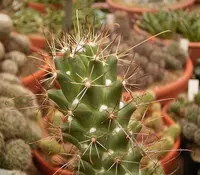
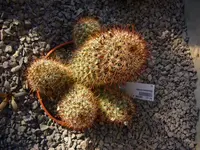
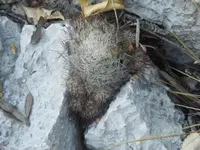
Mammillaria crinita is a small, globular cactus known for its dense covering of fine, hair-like spines that give it a soft, fuzzy look. It usually grows as a single stem or in small clusters over time.

This species is native to arid and rocky regions of central Mexico, where it experiences strong light, good airflow, and very fast-draining soils. In cultivation it stays compact, making it suitable for windowsills and small indoor collections.

Its slow growth, drought tolerance, and modest size make it relatively simple to manage once basic needs are understood. Those learning how to care for Mammillaria crinita should focus on plenty of light, sparse watering, and a gritty, free-draining substrate.

Main Plant Requirements

Care Difficulty

Easy Care

Light Preference

Full Sun

Water Requirements

Low Water

Temperature Preference

Warm Climate

Hardiness Zone

9–11

Soil Texture

Sandy, Loamy, Rocky

Soil pH

Slightly acidic (6.5–7.0), Neutral (7.0)

Soil Drainage

Well-drained

Fertilization

Minimal (feed rarely)

Get Personalized Care Plan

Scan your plant to receive care tips personalized for your specific plant

Available on iOS and Android

How to Care for the Mammillaria crinita

This small cactus thrives in bright, direct light but needs some protection from intense summer sun.

  • Provide 4–6 hours of direct morning sun plus bright light the rest of the day; light afternoon shade is best in hot climates.
  • Outdoors, place Mammillaria crinita where midday sun is slightly filtered, such as behind a sheer screen or openwork fence.
  • In low light it stretches and loses its compact shape; in sudden intense sun it may bleach, so increase exposure gradually across spring.

Water this cactus sparingly and only when its soil has dried out clearly.

  • Allow at least the top 3–5 cm of soil to dry completely before watering; the pot should feel noticeably lighter when lifted.
  • During active growth in spring–summer, water thoroughly, then drain fully; in autumn reduce frequency, and in winter water only enough to prevent shriveling.
  • Wrinkling or slight softening suggests underwatering, while blackened base tissue, a sour smell, or mushy roots indicate overwatering and poor drainage.

This species prefers warm conditions but tolerates moderate heat and short cool periods if kept dry.

  • Ideal growing range is 70–85°F (21–29°C) in the day and 60–70°F (16–21°C) at night, with good air movement.
  • Protect from frost; brief exposure down to 25–30°F (-4 to -1°C) can be survived if the plant is dry, but damage is likely below this.
  • In very hot spells above 95°F (35°C), provide light shade and avoid watering during the hottest part of the day to limit stress.

This cactus prefers dry air and does not need extra humidity.

  • Aim for 20–40% humidity, similar to a typical heated home, to reduce rot risk.
  • Dry indoor air is well tolerated, but prolonged humidity above 60% increases fungal problems.
  • Watch for soft, pale, or mushy stems as signs of excess humidity and improve air movement rather than adding moisture.

This species needs a very fast-draining, mineral-based substrate to prevent root rot.

  • Use a cactus mix amended with extra coarse sand, pumice, or perlite in about a 1:1 ratio to increase mineral content and drainage.
  • Aim for a gritty, open texture that dries within 3–5 days after watering, avoiding dense or peat-heavy blends.
  • Keep pH slightly acidic to neutral, around 6.0–7.0, which suits nutrient uptake and limits salt issues.
  • Avoid water-retentive additives such as clay-rich loam or fine compost that can collapse pore spaces and suffocate roots.

This compact cactus is very suitable for container growing.

  • Choose a pot only 2–4 cm wider than the plant cluster to keep the root zone drying efficiently between waterings.
  • Select unglazed terracotta to allow evaporation through the pot walls and reduce the chance of chronic dampness around the roots.
  • Ensure drainage holes are fully open and raise the pot on feet or mesh so excess water escapes quickly and does not pool under the base.

This small cactus needs modest feeding to support steady, compact growth in containers.

  • Use a low-nitrogen, balanced cactus fertilizer (around 5-10-10) diluted to 25–50% strength in well-watered soil.
  • Feed Mammillaria crinita every 4–6 weeks during spring and summer, when light and temperatures are high.
  • Avoid organic composts that stay wet; they increase rot risk in dense, mineral cactus mixes.
  • Stop feeding in fall and winter to allow a cool, dry rest period and maintain firm, tidy growth.

Pruning needs are minimal and mainly focused on hygiene and safety for this small spiny cactus.

  • In late spring or summer, remove only dead, diseased, or completely dried stems using clean, sharp scissors or pruning snips.
  • Cut away damaged tissue back to firm, healthy green tissue to limit rot spread and improve appearance.
  • Carefully detach weak, overcrowded offsets if they trap moisture, which can improve air flow and plant shape.
  • Handle the plant with thick gloves or folded newspaper to avoid injury and prevent dropping the pot.

This cactus prefers a slightly tight pot and benefits from infrequent, careful repotting.

  • Plan to repot every 3–4 years or when roots circle the drainage holes, growth slows, or soil compacts.
  • Carry out repotting in late spring, when Mammillaria crinita is active and recovery from root disturbance is fastest.
  • Use a shallow pot with excellent drainage and a gritty cactus mix containing at least 50–70% mineral material.
  • Let roots dry 3–5 days after repotting before light watering to reduce stress and lower the risk of rot.

This species is commonly propagated from offsets and seeds under warm, bright conditions.

  • Detach firm side offsets in late spring or early summer, leaving a small calloused base by drying them 3–7 days.
  • Place offsets on barely moist, gritty cactus mix in bright, indirect light at 70–80°F for reliable rooting.
  • For seed, sow on the surface of sterile, fine cactus mix and keep lightly covered and evenly warm.
  • Maintain gentle bottom warmth and good air movement during early growth to limit damping-off and other seedling diseases.

Winter care focuses on cold management and maintaining very dry conditions around the roots.

  • Keep plants near 45–55°F in bright light with almost no water to support a safe dormant period.
  • Avoid hard frost; move pots indoors or to an unheated but frost-free greenhouse before temperatures drop below 32°F.
  • Ensure the soil dries fully between any rare sips of water to prevent root and stem rot in cool conditions.
  • Provide maximum light indoors, such as a south-facing window or grow light, to prevent pale, stretched growth.

Care Tips

Cluster management

If offsets crowd the pot and trap moisture, remove a few with a clean knife in late spring to improve air flow and reduce rot risk, then replant the pups in a separate tray to root.

Safe handling

Use folded newspaper strips or silicone-tipped tongs to hold the plant when repotting, which protects both the spines and your skin while keeping the stem stable.

Winter resting period

From late fall to early spring, keep the plant very dry and in the coolest bright spot available indoors to encourage strong flowering the following season.

Targeted pest checks

Inspect the dense spine clusters and woolly areoles with a magnifying glass every few weeks to catch early mealybug or scale infestations before they spread into the cluster.

Controlled offset rooting

Allow freshly removed offsets to dry for 5–7 days until a firm callus forms, then place them on barely moist, very gritty mix without burying too deep to reliably grow Mammillaria crinita from pups.

Common Pests and Diseases

Mealybugs

This pest often hides in the woolly areoles and between clustered stems, sucking sap and weakening the plant over time. Symptoms include cottony white masses, distorted growth, and sticky honeydew on the cactus or pot surface.

Solution

Isolate the plant, then remove visible mealybugs with a cotton swab dipped in 70% isopropyl alcohol, taking care to reach into the wool and between stems. Follow with 1–2 light sprays of an alcohol-based or insecticidal soap solution over several weeks, and improve light and airflow to reduce reinfestation when caring for Mammillaria crinita.

Red spider mites

These insects prefer hot, dry conditions and can colonize the dense spines, causing pale, rough, or bronzed patches on the epidermis. Fine webbing may be visible in tight spine clusters or between stems.

Solution

Increase humidity slightly around, but not directly on, the plant and rinse the cactus gently with a lukewarm water spray to dislodge mites, keeping the soil dry. If needed, apply a miticide or insecticidal soap labeled for spider mites in several light treatments, ensuring good ventilation and strong light to support recovery.

Scale insects

This pest appears as small, hard, brown or gray bumps on the stem surface, often along ribs and at the stem base, where it feeds on plant sap. Symptoms include slow growth, yellowing patches, and weakened tissue around the feeding sites.

Solution

Manually scrape or lift off individual scales with a soft brush or toothpick, then dab remaining insects with 70% isopropyl alcohol. For heavier infestations, use repeated applications of horticultural oil or insecticidal soap, taking care to keep the plant in bright, indirect light and allowing stems to dry fully between treatments.

Corky scab

This disease causes tan to brown, rough, corky patches on older parts of the stem, often following minor mechanical damage or irregular watering. Symptoms include localized hardened areas that do not spread rapidly but can affect appearance.

Solution

Remove only badly damaged tissue if it is raised or cracked; otherwise, leave stable corking in place since it is mainly cosmetic. Adjust watering to a soak-and-dry schedule, avoid sudden swings in moisture or temperature, and provide bright light with good air movement to prevent further scab development on young tissue.

Fusarium stem rot

This disease is caused by soilborne fungi that enter through wounds or the base of the plant, leading to soft, brown, or purple-stained tissue inside the stem. Symptoms include localized collapse at the base, shriveling above the lesion, and possible reddish discoloration in cross‑section.

Solution

At an early stage, cut away affected tissue with a sterile knife back to firm, green tissue, and dust the wound with a dry sulfur or copper-based fungicide. Allow the plant to dry and callus in a warm, bright, airy place and re-root in fresh, well-draining cactus mix, keeping watering very light until new roots are established.

Interesting Facts

Variable spine coloration

This species often shows a mix of white, yellow, and sometimes reddish central spines on the same plant, creating a distinctive bicolored or tricolored appearance that helps distinguish it from closely related Mammillaria species.

Dense woolly areoles

Between the tubercles, the areoles of this cactus produce noticeable white wool, especially near the stem apex, which helps protect the growing point from intense sun and reduces water loss in its native Mexican habitats.

Ring-shaped flowering pattern

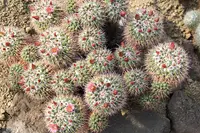
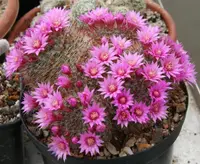
The small pink to purplish flowers usually appear in a neat ring around the upper part of the stem, a characteristic flowering pattern that is typical for this species and makes it easy to recognize when in bloom.

Botan icon

Did you know?

In habitat, Mammillaria crinita is often found growing in crevices of limestone rocks at higher elevations in central Mexico, where its compact body and fibrous root system allow it to anchor securely in very shallow, mineral-rich soils exposed to strong sun and rapid drainage.

FAQs about Mammillaria crinita

This species grows slowly, usually adding only a few millimeters in diameter each year. In good conditions, it may form small clusters over several years rather than rapidly increasing in size like many leafy houseplants.

Grow Healthy Plants with Botan Care

Keep your plants happy and healthy with plant identification, disease detection, and easy care guidance.

Botan plant care app — identify plants on mobile

Explore More Plants