Top-dress with grit
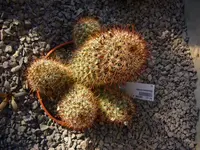
Apply a 0.5–1 cm layer of coarse mineral grit or small stones on the soil surface to keep the neck of the cactus dry, reduce rot risk, and discourage fungus gnat larvae.

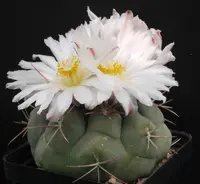
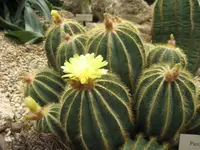
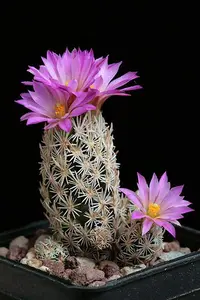
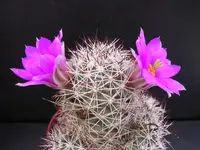
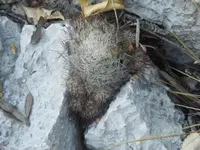
Thelocactus hexaedrophorus is a small, slow-growing cactus from arid regions of central Mexico. It forms a single, rounded stem with thick, angular tubercles instead of ribs. Spines are usually short and spaced out, giving it a relatively clean, architectural look. In good light it produces large, showy flowers, often pale pink to white, from the crown of the plant. This species stays compact, so it suits windowsills and small indoor collections. Its main challenge is sensitivity to excess moisture and poor drainage, which can lead to root rot. Those who learn how to care for Thelocactus hexaedrophorus find it quite reliable in bright light, dry air, and gritty, mineral soil.

Care Difficulty
Moderate Care

Light Preference
Full Sun

Water Requirements
Low Water

Temperature Preference
Warm Climate

Hardiness Zone
9–11

Soil Texture
Sandy, Rocky, Loamy

Soil pH
Slightly acidic (6.5–7.0), Neutral (7.0)

Soil Drainage
Well-drained

Fertilization
Minimal (feed rarely)
Scan your plant to receive care tips personalized for your specific plant
Available on iOS and Android
This cactus thrives in bright, open conditions that mimic its sunny native habitat.
Watering should imitate brief desert rains followed by thorough drying.
Stable warmth with cool, dry winters supports compact, healthy growth.
This cactus thrives in dry indoor air and does not need elevated humidity.
This species requires a very fast-draining, mineral-based substrate to prevent root and stem rot.
This species is well suited to container growing due to its compact, slow growth and small root system.
This cactus needs modest feeding to support slow, healthy growth in containers.
This species needs almost no structural pruning, only occasional cleanup for health and safety.
This cactus grows slowly and prefers infrequent repotting in a stable, very free-draining medium.
Propagation of this species is mainly done from seed and is considered slow but reliable with the right conditions.
This cactus needs a cool, very dry winter rest and moderate frost protection, especially in containers.

Plant Health Check
Not sure what's wrong with your plant? Check your plant's health inside the app.
This species occurs naturally on gypsum- and limestone-rich hills in central Mexico, often growing in shallow rock crevices where few other plants can survive.
Its stem shows notable variability in rib and tubercle shape, from low, rounded tubercles to more pronounced angular forms, which has led to the description of several local forms and varieties.
Compared with many Mexican cacti, it tolerates brief light frosts in habitat, thanks to its compact body, dense spines, and the thermal buffering provided by rocky substrates.

In its native range in San Luis Potosí and surrounding regions of Mexico, this cactus often grows partially sunken into the ground, with only the upper part of the stem and spines exposed, which helps reduce water loss and protect the growing point from temperature extremes.
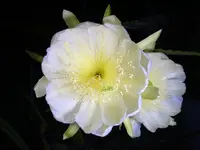
This species usually flowers in late spring to summer, once mature. It produces funnel-shaped, often pale pink to whitish blooms from the crown. Individual flowers are relatively short-lived but can appear repeatedly during the warm season.
Keep your plants happy and healthy with plant identification, disease detection, and easy care guidance.