junior Tom Thumb cactus Care (Escobaria emskoetteriana)

Also known as: Robert's Foxtail Cactus
junior Tom Thumb cactus

About junior Tom Thumb cactus

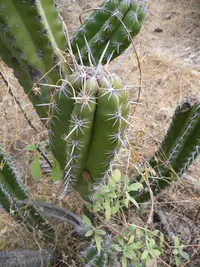
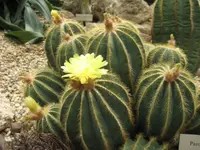
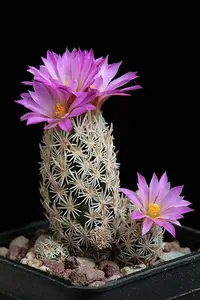
The junior Tom Thumb cactus, Escobaria emskoetteriana, is a compact, clumping cactus valued for its tidy form and small scale. It typically forms low mounds of rounded stems covered in neat, white to tan spines. In season, it produces relatively large, colorful flowers that contrast strongly with the small body of the plant. This species is native to dry, rocky habitats in northern Mexico and the southern United States, where it tolerates strong sun and brief drought. Its slow growth, small size, and preference for sharp drainage make it suitable for containers and rock gardens. Understanding how to care for junior Tom Thumb cactus mainly involves providing bright light, fast-draining soil, and restrained watering.

Main Plant Requirements

Care Difficulty

Moderate Care

Light Preference

Full Sun

Water Requirements

Low Water

Temperature Preference

Cold Hardy

Hardiness Zone

5–9

Soil Texture

Sandy, Rocky, Loamy

Soil pH

Slightly acidic (6.5–7.0), Neutral (7.0)

Soil Drainage

Well-drained

Fertilization

Minimal (feed rarely)

Get Personalized Care Plan

Scan your plant to receive care tips personalized for your specific plant

Available on iOS and Android

How to Care for the junior Tom Thumb cactus

This small cactus prefers strong light but benefits from some protection from intense midday sun.

  • Provide 6–8 hours of direct sun daily, ideally with morning sun and light afternoon shade in hot, dry climates.
  • Plant in an open, unshaded spot outdoors, but use filtered light or a thin shade cloth if stems start to yellow or scorch on the south or west side.
  • In winter, ensure maximum sun exposure; caring for junior Tom Thumb cactus in low light leads to weak, elongated growth.

This desert cactus needs thorough but infrequent watering in fast-draining soil.

  • Water only when the top 3–5 cm of soil are completely dry; in warm growing seasons this may mean every 10–21 days, depending on heat and wind.
  • Use gritty, sharply draining soil so water runs through quickly and roots do not sit in moisture, which leads to blackened, mushy tissue from rot.
  • Reduce watering sharply in winter, giving just enough to prevent shriveling; wrinkled, soft stems indicate thirst, while splitting skin or persistent damp soil suggests overwatering in Escobaria emskoetteriana.

This species is adapted to hot summers and can tolerate brief hard frosts when dry.

  • Aim for 70–90°F (21–32°C) during active growth, with cooler nights; it handles short heat waves up to about 100°F (38°C) if soil drains very well.
  • Protect from prolonged freezes below 10°F (-12°C); plants survive lower dips only when completely dry and sheltered from winter rain or wet snow.
  • In regions with cold, wet winters, give a cold, dry rest at 35–50°F (2–10°C) under cover to prevent root and stem rot while maintaining hardiness.

This desert cactus tolerates very dry air and rarely needs extra humidity indoors.

  • Target 20–40% relative humidity, similar to typical heated or air-conditioned rooms.
  • Dry, wrinkling stem tissue and soft, pale new growth can indicate prolonged humidity combined with excess moisture at the roots.
  • Increase air movement rather than humidity by using a small fan to keep the plant dry after watering, especially in cool rooms.

This species needs a very fast-draining, mineral-rich soil to prevent root and stem rot.

  • Use a gritty, sandy mix: 40% cactus potting mix, 40% coarse mineral material (pumice, perlite, crushed granite), 20% sharp sand or fine gravel.
  • Aim for slightly acidic to neutral pH, roughly 6.0–7.2, which supports stable nutrient availability without encouraging rot.
  • Ensure the mix feels loose and airy; individual particles should not clump when squeezed, allowing rapid water movement and oxygen around roots.
  • Avoid peat-heavy, compact, or water-retentive mixes that stay wet for more than 2–3 days, as this greatly increases rot risk for Escobaria emskoetteriana.

This compact cactus is very suitable for container growing.

  • Choose a shallow, wide pot that matches the spreading root system and allows the clump to expand without crowding the rim.
  • Select unglazed terracotta if possible, as its porous walls help water evaporate faster from a gritty mix.
  • Use a heavy, low-profile container or add a top layer of gravel to improve stability and prevent tipping in windy or high-traffic areas.

This small cactus benefits from light feeding but grows well even in lean soil.

  • Use a low-dose balanced cactus fertilizer or diluted 10-10-10 at 1/4–1/2 strength during spring–summer growth.
  • Feed every 6–8 weeks while days are long and the plant is actively growing.
  • Skip compost and rich organics that hold moisture and can cause root rot.
  • In winter dormancy, stop feeding junior Tom Thumb cactus and keep the soil almost dry.

Pruning needs for Escobaria emskoetteriana are minimal and focus on health rather than shaping.

  • Perform any pruning in late spring or early summer when growth is active.
  • Remove only dead, diseased, or badly damaged stems using clean, sharp scissors or pruning snips.
  • Trim spent, shriveled offsets at the base to reduce crowding and improve air flow.
  • Avoid cosmetic reshaping, since cutting healthy stems can scar the plant and reduce flowering.

This cactus prefers to stay slightly root-bound and only needs infrequent repotting or transplanting.

  • Repot every 3–4 years or when roots circle the pot and growth or flowering declines.
  • Choose late spring as the best time, when the plant is starting active growth.
  • Use a shallow container with drainage holes and a very gritty cactus mix to limit rot risk.
  • Unpot gently, tease circling roots slightly, allow any damage to callus 1–2 days, then replant and keep almost dry for 1–2 weeks.

Escobaria emskoetteriana is most often propagated by offsets, with seeds as a slower alternative.

  • Detach rooted offsets in late spring–early summer using sterile, sharp scissors or a knife.
  • Let cut surfaces dry and callus for 3–7 days in a shaded, airy place before planting.
  • Plant offsets in barely moist, coarse cactus mix and keep in bright, indirect light until established.
  • For seeds, sow on the surface of a sterile, gritty mix and maintain 70–80°F and light moisture until germination.

This species is relatively cold hardy but still benefits from dry, well-drained winter conditions.

  • In-ground plants tolerate light frost if soil drains sharply and remains mostly dry.
  • Apply a thin layer of coarse gravel or grit around the base to insulate the root zone and shed water.
  • For containers, move pots to a cold, bright, frost-free spot and withhold water nearly completely.

Care Tips

Winter moisture control

In winter, keep the pot in a dry, airy spot and tilt it slightly or raise one side so any accidental water runs off and does not sit around the stem base.

Grit layer topdress

Add a 0.5–1 cm layer of coarse mineral grit (pumice, crushed granite, or aquarium gravel) on the soil surface to keep the neck of the plant dry and reduce fungal issues at the crown.

Cold-hardiness training

If in a suitable climate, gradually acclimate the plant to cooler autumn nights outdoors so the tissues harden, which improves its tolerance of brief light frosts when fully dry.

Offset management

Periodically remove some offsets with a sterile knife, let them callus for several days, then root in a separate pot to prevent overcrowding and maintain good airflow around the mother plant.

Targeted pest checks

Inspect the woolly areoles and between clustered stems with a hand lens every few weeks, and treat any early mealybug or scale presence with a cotton swab dipped in isopropyl alcohol, which is an important part of Escobaria emskoetteriana care.

Common Pests and Diseases

Mealybugs

This pest hides in woolly white clusters between ribs and around areoles, sucking sap and causing slow decline and yellowing of stems.

Solution

Isolate the plant, then dab visible insects with cotton swabs dipped in 70% isopropyl alcohol and repeat weekly until no new clusters appear; for heavier infestations, use a systemic insecticide labeled for cacti and improve light and air movement to discourage reinfestation.

Red spider mites

These insects are tiny and often unnoticed at first, causing a dull, dusty appearance, fine webbing between tubercles, and gradual loss of the plant’s natural green tone.

Solution

Increase humidity briefly by misting the area around the plant (not soaking the cactus body), rinse the stems under a gentle stream of lukewarm water, and apply a miticide or neem oil spray labeled for mites, repeating treatments as directed to break their life cycle.

Scale insects

This pest appears as small, hard, brown or tan bumps on stems that do not wipe off easily and can cause localized yellowing and poor growth.

Solution

Gently scrape or pry off individual scales with a toothpick or soft brush, treat remaining insects with alcohol swabs, and if the population is large apply a systemic insecticide granule or drench suitable for succulents while monitoring new growth closely.

Fusarium stem rot

This disease starts as sunken, discolored patches on the stem that may turn brown or purplish and later become soft or corky, often entering through small wounds or old flower scars.

Solution

Remove and discard affected tissue with a sterile knife back into firm, healthy tissue, dust the cut with a dry fungicide or powdered sulfur, keep the plant completely dry until callus forms, and then resume very light watering while ensuring the substrate is highly mineral and sharply drained to support long-term Escobaria emskoetteriana care.

Corky scab lesions

Symptoms include rough, tan to brown, corky patches forming on lower or exposed stem areas, often following minor mechanical damage or repeated wetting in cool conditions.

Solution

Improve cultural conditions by providing strong light, fast-draining mineral soil, and watering only in warm, dry weather, removing only severely damaged sections with a sterile blade; prevent recurrence by keeping the stem surface dry and ensuring good airflow around the plant.

Interesting Facts

High-elevation specialist

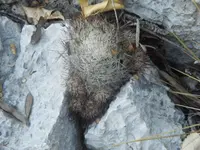
This species is native to limestone and gypsum-rich slopes in northeastern Mexico, where it often grows at higher elevations with intense sun and strong temperature swings between day and night.

Camouflaged tubercles

Its small, rounded stems are covered with conical tubercles and short, pale spines that help the plant blend into rocky grit, reducing herbivory and sun scorch in its exposed habitat.

Pink spring flowers

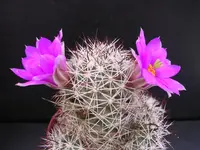
In suitable conditions it produces relatively large, funnel-shaped pink to magenta flowers near the stem apex in spring, which are visually striking compared to the small body of the plant.

FAQs about junior Tom Thumb cactus

Lack of blooms usually results from insufficient winter rest, low light, or excess nitrogen. This species needs several cool, bright, very dry winter months, then strong spring light to set flower buds. Overwatering or constant warmth often prevents flowering.

Grow Healthy Plants with Botan Care

Keep your plants happy and healthy with plant identification, disease detection, and easy care guidance.

Botan plant care app — identify plants on mobile

Explore More Plants