Echeveria mucronata Care

Echeveria mucronata

About Echeveria mucronata

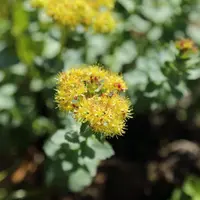
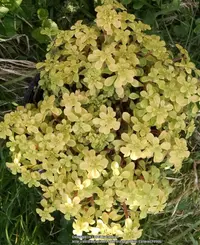
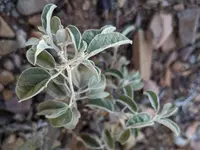
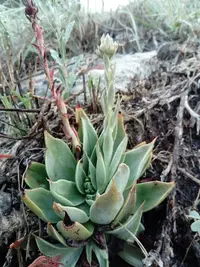
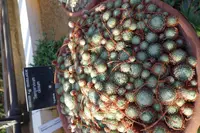
Echeveria mucronata is a compact rosette-forming succulent from rocky regions of Mexico. It stores water in its pointed, fleshy leaves, which often develop red-tinted edges in strong light. Plants stay relatively low and form clumps over time, making them suitable for containers and small indoor collections. This species is valued for its clean shape and slow, predictable growth. It is generally considered easy to manage as long as excess moisture is avoided. For those who want to care for Echeveria mucronata successfully, focus on strong light, very free-draining soil, and careful watering that allows the roots to dry between drinks.

Main Plant Requirements

Care Difficulty

Easy Care

Light Preference

Full Sun

Water Requirements

Low Water

Temperature Preference

Tropical / Frost Sensitive

Hardiness Zone

10–11

Soil Texture

Sandy, Loamy, Rocky

Soil pH

Slightly acidic (6.5–7.0), Neutral (7.0)

Soil Drainage

Well-drained

Fertilization

Minimal (feed rarely)

Get Personalized Care Plan

Scan your plant to receive care tips personalized for your specific plant

Available on iOS and Android

How to Care for the Echeveria mucronata

This sun-loving succulent needs bright, mostly direct light to stay compact and colorful.

  • Provide 4–6 hours of direct morning sun plus bright light the rest of the day; light afternoon shade helps prevent leaf scorch in hot, dry climates.
  • Outdoors, place Echeveria mucronata where it gets east or southeast exposure; in very strong sun, use 30–40% shade cloth during peak summer.
  • Pale, stretched leaves indicate insufficient light, while browned, crispy patches signal too much intense midday or afternoon sun.

This species prefers infrequent, deep watering with thorough drying between soakings.

  • Water only when the top 3–5 cm of soil are completely dry, then soak the root zone and let excess drain away fully.
  • In spring and summer, expect to water more often during active growth; in fall and winter, reduce frequency sharply, sometimes to once every 3–4 weeks in cool conditions.
  • Soft, yellowing, mushy leaves and a swollen, wet mix indicate overwatering, while wrinkled, deflated leaves in dry soil mean it is time to water.

This succulent prefers warm, dry conditions and dislikes extended cold or damp.

  • Aim for 65–80°F (18–27°C) for active growth, with good airflow to reduce fungal issues in humid weather.
  • Protect the plant from frost; brief dips to 32°F (0°C) may mark leaves, while prolonged exposure below 30°F (-1°C) can kill tissue or roots.
  • In hot spells above 90°F (32°C), provide afternoon shade and avoid overhead watering late in the day to limit heat and rot stress.

This succulent prefers dry air and does not need raised humidity.

This species needs a very fast-draining, mineral-rich mix to prevent root rot.

  • Use a gritty, sandy mix such as 50–70% inorganic material (pumice, perlite, coarse sand) with 30–50% cactus potting soil.
  • Aim for slightly acidic to neutral pH, around 6.0–7.0, which supports root function and nutrient uptake.
  • Increase aeration by using large particle sizes (3–6 mm) and avoiding fine peat that compacts when dry or wet.
  • Avoid heavy, clay-based, or moisture-retentive mixes that stay wet for more than 1–2 days after watering when growing Echeveria mucronata.

This species is well suited to container culture.

  • Choose a wide, shallow pot to match its fibrous, shallow roots and keep the rosette above the rim for airflow.
  • Select unglazed terracotta if slower-drying mixes are used, as it allows moisture to evaporate through the pot walls.
  • Use a pot with multiple or large drainage holes so water exits within seconds and no runoff remains in a cache pot or tray.

This drought-tolerant succulent needs only light feeding to stay compact and healthy.

  • Use a low-dose balanced liquid fertilizer (around 10-10-10 NPK) diluted to 25–50% strength in spring and early summer.
  • Feed Echeveria mucronata no more than once every 4–6 weeks during active growth in well-lit conditions.
  • Skip fertilizer entirely in fall and winter, when growth slows and excess nutrients can cause weak, stretched leaves.
  • Apply to already-moist soil and avoid getting fertilizer on leaves or in the rosette center to prevent burn.

This species needs minimal pruning, mainly for cleanliness and shape control.

  • Best time is late winter to early spring, just before new growth starts.
  • Remove dead, shriveled, or damaged leaves by gently twisting them off at the base.
  • Thin crowded offsets to open the rosette, improve airflow, and maintain a compact form in Echeveria mucronata.
  • Use clean, sharp scissors or pruning snips for flower stalks, cutting close to the rosette without injuring healthy tissue.

This succulent prefers slightly tight pots and only occasional repotting.

  • Repot every 2–3 years or when roots circle the pot, drainage slows, or growth becomes stunted.
  • Choose late spring as the best time, when temperatures are stable and growth is starting.
  • Use a shallow container with large drainage holes and a gritty cactus mix to support Echeveria mucronata care.
  • Gently loosen roots, remove old soil, let any damaged roots callus for 1–2 days, then replant and water lightly after 3–5 days.

This plant is commonly propagated from offsets and leaf cuttings.

  • Best season is late spring to summer, when warmth and light support fast rooting.
  • Separate offsets with a clean knife, keeping some roots attached, and plant in dry, gritty cactus mix.
  • For leaf cuttings, twist off whole healthy leaves, let callus for 2–4 days, then place on the soil surface.
  • Keep the medium barely moist, provide bright indirect light, and maintain 70–80°F for reliable rooting.

This succulent is frost-sensitive and needs protection in cold climates.

  • Keep Echeveria mucronata above 35–40°F; prolonged freezing can kill roots and foliage.
  • Move containers indoors before first frost, placing them in the brightest possible window.
  • Water very sparingly in winter, allowing soil to dry completely between light waterings.
  • In mild climates, grow in fast-draining soil and use a thin gravel mulch to keep the crown dry.

Care Tips

Rotate For Symmetry

Turn the pot 90° every 1–2 weeks so rosettes receive even light and stay compact instead of leaning or stretching toward one side.

Manage Offsets Strategically

Remove and replant offsets once they are about one-third the size of the mother rosette to prevent overcrowding and to maintain good air circulation in the pot.

Protect From Summer Rains

If grown outdoors, move containers under a roof edge or use a simple clear cover during extended summer rain to reduce the risk of crown rot from water sitting in the rosettes.

Use Top Dressing

Apply a thin layer of decorative gravel or coarse sand on the soil surface to keep leaves dry at the base and reduce fungal spotting from soil splashback when watering.

Winter Light Boost

In winter, place the plant in the brightest possible window or supplement with a small LED grow light at 6–8 in distance to maintain compact rosettes when caring for Echeveria mucronata.

Common Pests and Diseases

Mealybugs

This pest feeds on leaf bases and between tight rosettes, sucking sap and leaving white, cottony clusters. Symptoms include distorted new growth, sticky residue, and slowed growth.

Solution

Remove visible insects with a cotton swab dipped in 70% isopropyl alcohol, then rinse the plant thoroughly to flush hidden pests from the rosette. Isolate the plant, repeat spot treatments weekly for several weeks, and improve light and airflow to support recovery as part of general Echeveria mucronata care instructions.

Aphids

These insects often cluster on flower stalks and young leaves, sucking sap and causing curling, yellowing, or misshapen growth. Sticky honeydew and sooty mold can appear on and around affected areas.

Solution

Spray the plant with a firm stream of water to dislodge aphids, then apply an insecticidal soap or diluted neem oil to flower stalks and undersides of leaves. Repeat every 5–7 days until no new insects appear and avoid overfertilizing, which can encourage soft, aphid-prone growth.

Snails and slugs

These pests feed at night on fleshy leaves, leaving irregular holes and ragged edges on the rosette. Silvery slime trails may be visible on the pot, soil, or surrounding surfaces.

Solution

Hand-pick snails and slugs in the evening, use physical barriers such as copper tape or diatomaceous earth around pots, and avoid dense ground cover near outdoor plants. If damage is heavy, place iron phosphate bait away from children and pets and raise containers off the ground to reduce access.

Powdery mildew

This disease appears as white, powdery patches on leaves, often when humid air combines with poor airflow and cooler nights. Symptoms include dull, blotchy foliage and reduced vigor.

Solution

Improve air circulation, avoid overhead watering, and remove badly affected leaves to reduce spore load. Treat remaining foliage with a sulfur-based fungicide or a potassium bicarbonate spray labeled for ornamentals, applying in the evening and keeping the plant in bright, indirect light during recovery.

Bacterial soft rot

This disease causes sudden soft, water-soaked areas at the crown or leaf bases that quickly turn brown and foul-smelling. Symptoms include collapsing rosettes and mushy tissue that breaks down under light pressure.

Solution

Immediately remove and discard all affected tissue and any severely rotted plants, keeping only firm, unblemished leaves for possible propagation. Sterilize tools, use fresh, fast-draining succulent mix, increase light and airflow, and avoid water sitting in the rosette or on the crown, especially in cool conditions.

Interesting Facts

Mountain lava specialist

This species naturally grows on volcanic slopes in central Mexico, often rooting in cracks of basaltic rock where the soil layer is extremely thin and drains very fast.

Tooth-tipped foliage

The rosette leaves end in a distinct, sharp mucro (stiff point), which gives the species its name and likely helps channel dew and light rainfall toward the leaf base and roots.

Color change with stress

In strong sun and cooler, drier conditions, the usually green, narrow leaves can flush with pink to reddish tones along the tips and margins, a response linked to increased production of protective pigments called anthocyanins.

FAQs about Echeveria mucronata

This species stays compact, usually forming tight rosettes about 7–12 cm tall and 10–15 cm wide. Older plants may cluster into small mounds, but individual rosettes remain low and do not form tall stems in good light.

Grow Healthy Plants with Botan Care

Keep your plants happy and healthy with plant identification, disease detection, and easy care guidance.

Botan plant care app — identify plants on mobile

Explore More Plants