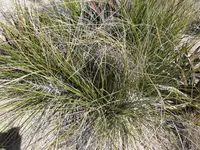
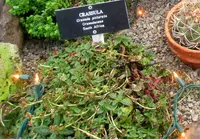
Slab Stonecrop Care (Crassula dependens)

Slab Stonecrop

About Slab Stonecrop

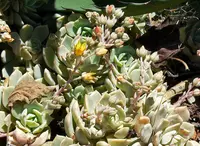
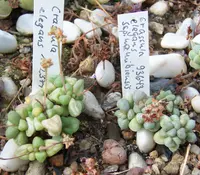
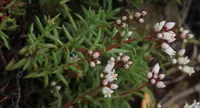
Slab stonecrop, Crassula dependens, is a small trailing succulent from South Africa, valued for its compact, cascading growth. It forms low, mat-like clusters with thick, overlapping leaves, often edged in red tones under strong light.

This plant typically grows on rocky slopes and cliffs, which explains its preference for bright light, sharp drainage, and infrequent watering. Its fleshy foliage stores water, making it tolerant of short dry periods and generally easy to manage indoors.

Gardeners who want to learn how to care for Slab Stonecrop should focus on giving it strong light, minimal but consistent moisture, and a gritty, well-aerated soil mix.

Main Plant Requirements

Care Difficulty

Easy Care

Light Preference

Partial Sun

Water Requirements

Low Water

Temperature Preference

Tropical / Frost Sensitive

Hardiness Zone

10–11

Soil Texture

Sandy, Loamy, Rocky

Soil pH

Slightly acidic (6.5–7.0), Neutral (7.0)

Soil Drainage

Well-drained

Fertilization

Minimal (feed rarely)

Get Personalized Care Plan

Scan your plant to receive care tips personalized for your specific plant

Available on iOS and Android

How to Care for the Slab Stonecrop

Crassula dependens prefers bright, indirect light with some gentle direct sun each day.

  • Provide 3–5 hours of morning sun or late-afternoon sun, with bright, filtered light for the rest of the day to prevent leaf scorch.
  • It tolerates light partial shade, but stems may stretch and leaves lose color if grown in under 4 hours of bright light daily.
  • In hot summers, especially for Slab Stonecrop in southern climates, protect from harsh midday sun by using dappled shade or a sheer screen.

Water Crassula dependens sparingly, allowing the soil to dry between waterings.

  • Water only when the top 2–4 cm of soil is completely dry, then soak thoroughly and let excess drain away.
  • Reduce watering significantly in fall and winter, when growth slows, checking the soil rather than following a fixed schedule.
  • Watch for mushy, yellowing leaves as a sign of overwatering, and wrinkled, soft leaves as an indication the plant has gone too dry.

This succulent prefers warm, stable temperatures and does not tolerate hard frost.

  • Aim for 65–80°F (18–27°C) during active growth, which supports steady, compact development.
  • Protect from cold; prolonged exposure below 40°F (4°C) can damage tissue, and freezing temperatures may kill the plant.
  • In hot spells above 90°F (32°C), provide light shade and good air movement to limit heat stress and sunburn on leaves.

Humidity is rarely a concern for this drought-adapted succulent.

This plant needs a very fast-draining, mineral-based mix that prevents waterlogging around the roots.

  • Use a sandy, gritty mix such as cactus soil blended with extra pumice or perlite for sharp drainage.
  • Aim for a loose, open structure with at least 50–70% inorganic particles to maintain aeration around fine roots.
  • Keep pH slightly acidic to neutral, around 6.0–7.0, which suits most Crassula dependens specimens.
  • Avoid dense, peat-heavy or clay-rich substrates that stay wet for more than 1 day after watering, as these promote rot.

This species is very suitable for container growing due to its compact, trailing habit.

  • Choose a shallow, wide pot that allows stems to trail over the rim while keeping the root zone compact and easy to dry out.
  • Select unglazed terracotta if extra evaporation is needed, as it wicks moisture away faster than plastic or glazed ceramic.
  • Elevate the container or use pot feet so drainage holes remain clear and excess water can escape quickly after watering.

Crassula dependens grows well with light feeding, so focus on modest, balanced nutrition rather than heavy fertilization when caring for Slab Stonecrop.

  • Use a diluted balanced liquid fertilizer (around 10-10-10 or 20-20-20 at 1/4 strength) in well-watered soil to avoid root burn.
  • Feed every 4–6 weeks during the active growing season in spring and summer, skipping any applications if growth already looks strong.
  • Avoid feeding in late fall and winter when growth slows, as excess nutrients can lead to weak, stretched stems.
  • Compost or slow-release granules are usually unnecessary for indoor pots but can be applied very sparingly to outdoor plants in spring.

Crassula dependens benefits from light, periodic pruning to maintain a compact, healthy mat of foliage.

  • Best time to prune is in late winter to early spring, before strong new growth, or right after a main flush of growth.
  • Remove dead, shriveled, or damaged stems using small, sharp scissors or pruning snips cleaned with alcohol.
  • Trim back long, leggy, or crowded shoots to encourage branching and a denser, more even shape.
  • Pinch or cut just above a node, where leaves join the stem, to direct growth and reduce the risk of dieback.

Crassula dependens prefers slightly tight conditions, so repotting is infrequent and mainly done to refresh soil or relieve root crowding.

  • Plan to repot every 2–3 years in spring when roots circle the pot, growth slows, or water drains very quickly through depleted mix.
  • Choose a shallow container with drainage and a gritty succulent mix, then gently loosen circling roots without tearing them heavily.
  • Move the plant only one pot size up to avoid waterlogged soil around a small root system.
  • After repotting, keep the plant lightly shaded and barely moist for 5–7 days to limit transplant shock before resuming normal light and watering.

Crassula dependens is commonly propagated from cuttings, making it straightforward to expand a collection or rejuvenate older plants.

  • Take short, healthy stem cuttings in spring or early summer, selecting non-flowering shoots with firm leaves.
  • Allow cut ends to dry and callus for 1–2 days to reduce rotting in the propagation medium.
  • Insert cuttings into a dry, gritty succulent mix, then water lightly and keep in bright, indirect light with good airflow.
  • Maintain warm conditions around 68–75°F and avoid overwatering until new roots and small shoots clearly appear.

Crassula dependens is not reliably frost hardy, so some winter care is important in cold climates.

  • Bring container plants indoors before temperatures drop near 40°F, placing them in bright, cool, and dry conditions.
  • In mild climates, keep outdoor plants in very free-draining soil and avoid waterlogged conditions that increase rot risk in cold weather.
  • Reduce watering sharply in winter, allowing the mix to dry almost completely between light sips to match slower growth.
  • Use a breathable frost cloth or temporary cover during short cold snaps if plants remain outdoors in borderline zones.

Care Tips

Control Plant Stretch

Rotate the pot 1–2 times per month and lightly pinch back overly long, leaf-poor stems at a node to keep the mat dense and prevent weak, stretched growth when growing Slab Stonecrop.

Encourage Compact Mats

If stems become sparse in the center, gently press a few healthy trailing shoots onto the soil surface and secure them with small, clean U-shaped wire pins so they root along the nodes and thicken the carpet.

Safe Surface Cleaning

Blow or brush off dust and debris from leaves and between stems with a soft artist’s brush or hand air blower instead of rinsing under strong water, which can dislodge the shallow root system.

Strategic Repot Timing

Repot only when the root ball is clearly filled and the plant is lifting from the pot, and choose a shallow, wide container that lets stems trail over the edges rather than a deep pot that stays wet too long.

Targeted Pest Monitoring

Inspect the undersides of leaves and stem joints every few weeks for mealybugs or spider mites, and at the first sign isolate the plant and use a cotton swab dipped in isopropyl alcohol on affected spots before infestations spread through the mat.

Common Pests and Diseases

Mealybugs

This pest commonly hides in stem joints and between tightly packed leaves, sucking sap and causing distorted, weakened growth. Symptoms include white cottony clusters and sticky honeydew on leaves and stems.

Solution

Isolate the plant, then dab visible clusters with cotton swabs dipped in 70% isopropyl alcohol and gently wipe leaf surfaces. Repeat weekly and, for heavier infestations, use a ready-to-use insecticidal soap or neem oil spray, ensuring good coverage of leaf undersides and crevices while improving air movement and avoiding overfertilization that encourages soft growth.

Vine mealybugs

These insects often colonize the trailing stems and underside of leaves, causing yellowing, leaf drop, and stunted shoots. Honeydew and sooty mold may develop on the foliage and nearby surfaces.

Solution

Inspect stems closely, prune heavily infested tips, and discard them in the trash. Treat remaining plants by rinsing with a firm but gentle stream of water, then applying alcohol swabs to clusters and following up with several applications of insecticidal soap or systemic insect control labeled for succulents, monitoring new growth for reinfestation.

Soft scale

This pest attaches along stems and leaf undersides, appearing as small tan to brown bumps that do not move. These insects weaken the plant by feeding on sap and producing honeydew that can support sooty mold.

Solution

Gently scrape or rub off individual scales with a cotton pad or soft brush dipped in 70% isopropyl alcohol, then prune and discard severely infested stems. Follow with repeated applications of horticultural oil or insecticidal soap, making sure to wet all stem surfaces and leaf undersides, and keep the plant in bright, dry conditions during recovery.

Edema

Symptoms include corky, raised, or scabby spots on leaves caused by the plant taking up water faster than it can transpire, especially when soil is wet and air is cool or humid. This physiological disorder is common in compact, thick-leaved Crassula species under inconsistent watering and low light.

Solution

Allow the soil to dry more thoroughly between waterings, reduce watering volume in cool or low-light periods, and increase light to bright indirect or soft morning sun. Improve airflow around the plant and avoid sudden shifts from very dry to very wet soil; new leaves will develop normally, though existing damage will remain.

Fungal leaf spots

This disease causes small tan, brown, or black spots that may merge, often starting on older, shaded leaves in crowded stems. High humidity, poor air circulation, and overhead watering increase the risk, especially in dense trailing growth during how to take care of Slab Stonecrop situations indoors.

Solution

Remove and discard affected leaves and thin overly dense stems to improve airflow. Water at the soil level, keep foliage dry, and if spotting continues, apply a sulfur or copper-based fungicide labeled for ornamentals, following the label carefully and repeating only as directed while maintaining drier, brighter conditions.

Interesting Facts

Miniature rock creeper

This species often grows in tight, low mats that drape over rock crevices, giving a creeping appearance that helps it anchor in shallow, gritty soil in its native South African habitats.

Thick, water-storing leaves

Its small, rounded leaves are noticeably thick and succulent, functioning as water-storage organs that allow the plant to endure irregular rainfall and short dry spells.

Distinct trailing habit

Unlike many upright Crassula species, this plant develops slender, trailing stems that can spill over the edges of containers or rock ledges, which makes it especially suited to hanging baskets and rock gardens when looking into Crassula dependens care.

FAQs about Slab Stonecrop

Yellowing leaves usually come from excess moisture, poor drainage, or old foliage naturally aging. Check that the pot drains freely, the soil dries between waterings, and roots are firm, not mushy or foul-smelling.

Grow Healthy Plants with Botan Care

Keep your plants happy and healthy with plant identification, disease detection, and easy care guidance.

Botan plant care app — identify plants on mobile

Explore More Plants