leatherweed Care (Croton pottsii)

leatherweed

About leatherweed

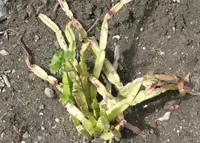
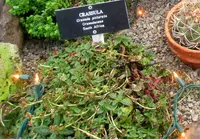
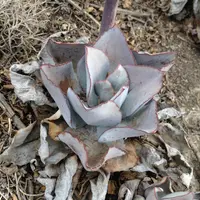
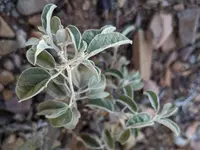
Leatherweed, Croton pottsii, is a small, low-growing perennial herb from dry, open habitats in the southwestern United States and northern Mexico. It typically forms loose mats or clumps with narrow, gray-green leaves and small, inconspicuous flowers. The foliage often has a slightly silvery or fuzzy look, an adaptation that helps the plant cope with sun and drought. This natural toughness means it can be relatively undemanding in cultivation when given similar conditions. For those who want to learn how to care for leatherweed, it generally prefers bright light, well-drained sandy or rocky soil, and modest, infrequent watering.

Main Plant Requirements

Care Difficulty

Moderate Care

Light Preference

Full Sun

Water Requirements

Low Water

Temperature Preference

Warm Climate

Hardiness Zone

9–11

Soil Texture

Sandy, Loamy, Rocky

Soil pH

Slightly acidic (6.5–7.0)

Soil Drainage

Well-drained

Fertilization

Minimal (feed rarely)

Get Personalized Care Plan

Scan your plant to receive care tips personalized for your specific plant

Available on iOS and Android

How to Care for the leatherweed

Croton pottsii prefers bright, direct sun but tolerates some light shade in very hot climates.

  • Provide 6–8 hours of direct sun daily; early morning and late afternoon sun support compact growth and strong coloration in leatherweed.
  • Allow light, dappled shade during the harshest midday hours in summer to reduce leaf scorch, especially in exposed, dry sites.
  • In cooler seasons, give as much full sun as possible; plants grown in too much shade develop lanky stems and sparse, dull foliage.

This species prefers evenly moist but not saturated soil, with brief drying between waterings.

  • Before watering, let the top 3–5 cm of soil dry; use your finger to check rather than following a fixed calendar schedule.
  • Ensure sharply drained soil or a gritty mix so excess water runs off quickly, reducing root rot risk for Croton pottsii in wet periods.
  • In hot, dry weather, watch for drooping leaves or dull, slightly curling tips as signs of thirst; yellowing, mushy stems indicate chronic overwatering.

This species performs best in warm, frost‑free conditions with moderate seasonal variation.

  • Aim for 70–85°F (21–29°C) during active growth; plants maintain healthy foliage and steady growth within this range.
  • Protect from temperatures below 45°F (7°C); brief dips near 40°F (4°C) may cause leaf drop, and freezing conditions can kill stems and roots.
  • In hot spells above 95°F (35°C), provide extra water and light afternoon shade to limit heat stress and marginal leaf scorch.

This species prefers moderately humid air but usually adapts to typical indoor conditions.

  • Aim for 40–60% humidity to limit leaf edge browning and tip dieback on leatherweed.
  • Expect increased leaf curl and crisp margins in very dry, heated rooms below about 30% humidity.
  • Use a nearby open tray of water and clustered plants rather than daily misting to create a modest, more stable humidity buffer.

Croton pottsii does best in loose, fast-draining, slightly gritty soil that still holds some moisture.

  • Use a mix of roughly 50–60% all-purpose potting mix with 20–30% coarse sand and 10–20% perlite for drainage and aeration.
  • Ensure the mix feels crumbly, not sticky; water should drain through within seconds, not sit on the surface.
  • Target a slightly acidic to neutral pH around 6.0–7.0, avoiding strongly alkaline or salty substrates.
  • Do not plant in heavy clay or peat-only media, which can trap water around roots and encourage rot.

This species is suitable for container growing when provided with stable, well-drained conditions.

  • Choose a pot just 2–4 in wider than the root ball so the mix dries evenly and does not stay saturated.
  • Select a heavier material, such as ceramic, if the plant becomes top-heavy to reduce tipping in wind or accidental bumps.
  • Ensure large, unobstructed drainage holes and keep saucers emptied within 10–15 minutes after watering to prevent root suffocation.

Croton pottsii benefits from modest, targeted feeding during the warm growing season.

  • Use a balanced liquid fertilizer (such as 10-10-10) at 1/2 strength every 4–6 weeks in spring and summer.
  • Apply to moist soil to reduce root burn; avoid feeding drought-stressed plants.
  • Skip fertilizer in late fall and winter when growth slows, which suits natural leatherweed indoor care.
  • In poor soils, a thin layer of compost in spring can supplement routine liquid feeding.

Pruning Croton pottsii helps maintain a compact form and removes declining growth.

  • Carry out light pruning in late winter or early spring before strong new growth begins.
  • Remove dead, damaged, or crossing stems first, cutting back to healthy tissue or a node.
  • Shorten overly long or sparse shoots to encourage branching and denser foliage.
  • Use clean, sharp hand pruners and disinfect blades between plants to limit disease spread.

Croton pottsii benefits from infrequent but timely repotting or transplanting when growth slows or roots crowd the container.

  • Check for roots circling the pot, growing through drainage holes, or persistent wilting despite watering.
  • Plan repotting or transplanting for spring, every 2–3 years or when clear crowding signs appear.
  • Shift to a pot only 2–5 cm wider, using a well-drained, slightly sandy mix to avoid waterlogging.
  • Loosen circling roots gently, water thoroughly after planting, and keep in bright, sheltered conditions for 1–2 weeks to limit stress.

Croton pottsii is typically propagated from semi-ripe stem cuttings under warm, humid conditions.

  • Take 8–12 cm cuttings in late spring or early summer from healthy, non-flowering shoots.
  • Remove lower leaves and insert the cut base into a moist, well-drained mix, optionally using rooting hormone.
  • Maintain 70–80°F, high humidity, and bright, indirect light while roots develop.
  • Cover with a vented plastic dome or bag, airing daily to reduce fungal problems.

Croton pottsii is frost sensitive and needs protection in regions with cold winters.

  • In USDA zones below 10, grow in containers and move indoors or into a greenhouse before temperatures drop below 50°F.
  • Provide bright light, reduced watering, and good air circulation indoors during winter.
  • In mild climates, add a 5–8 cm mulch layer around the root zone to moderate soil temperature.

Care Tips

Acclimate Outdoor Moves

When shifting a container plant outdoors for summer, increase light exposure over 7–10 days by starting in full shade and slowly moving it into brighter positions to prevent foliage scorch and stress while growing leatherweed.

Rotate For Even Growth

Turn the pot 90° every 1–2 weeks so all sides receive similar light, which helps maintain a balanced, compact crown instead of one-sided, leaning growth.

Use Low-Salt Water

If tap water is hard or heavily chlorinated, alternate with rainwater, distilled, or filtered water to reduce salt buildup that can cause leaf tip burn in this species over time.

Refresh Topsoil Annually

Once a year, scrape off 1–2 cm of the pot’s surface mix and replace it with fresh, sterile substrate to dilute accumulated salts and maintain root-zone aeration without full repotting.

Inspect Leaf Undersides

Check the backs of leaves and young stems every 1–2 weeks with a hand lens if available, so early spider mite or scale infestations can be treated promptly before they stunt new growth.

Common Pests and Diseases

Spider mites

This pest thrives on leathery foliage in warm, dry conditions and feeds on leaf sap, causing stippling, dulling, and fine webbing on leaves. Symptoms include slowed growth and eventual leaf drop if populations are high.

Solution

Rinse both sides of leaves with a strong but controlled stream of lukewarm water, then wipe to remove webbing and mites. Increase humidity, isolate the plant, and apply insecticidal soap or a ready-to-use neem oil spray every 7–10 days until no new stippling appears.

Scale insects

These insects attach firmly to stems and leaf midribs, appearing as small brown or tan bumps that excrete sticky honeydew. Symptoms include yellowing leaves, weak new growth, and sometimes black sooty mold growing on the honeydew.

Solution

Manually remove visible scales with a cotton swab dipped in isopropyl alcohol, then wipe stems and leaf veins thoroughly. Repeat inspections weekly and use horticultural oil or neem oil to coat stems and leaf undersides, targeting the crawler stage until the infestation stops expanding.

Mealybugs

This pest hides in leaf axils and along stems, forming white, cottony clusters that feed on plant sap. Symptoms include distorted new growth, sticky residue, and gradual decline in vigor.

Solution

Isolate the plant, then dab visible mealybugs with cotton swabs dipped in isopropyl alcohol, paying attention to crevices and leaf bases. Follow up with insecticidal soap or neem oil sprays every 7–10 days, and prune heavily infested sections if necessary to break the life cycle.

Anthracnose leaf spot

This disease is favored by warm, humid conditions and overhead watering, producing tan to dark brown spots with defined edges on leaves. Symptoms include coalescing lesions, premature leaf drop, and overall thinning of the canopy.

Solution

Remove and discard affected leaves, then improve airflow and keep foliage dry by watering at the soil level. If spotting continues, apply a copper-based or chlorothalonil fungicide according to label directions, and avoid crowding plants to reduce humidity around the foliage.

Cercospora leaf spot

This disease causes numerous small, round to irregular dark spots, often with a paler center and yellow halo on older leaves. Symptoms include progressive yellowing from the lower canopy upward and increased leaf drop under stress.

Solution

Prune and discard the most affected leaves and reduce leaf wetness by watering early in the day so foliage dries quickly. For persistent issues, use a labeled broad-spectrum ornamental fungicide and maintain good spacing, sanitation, and consistent but not excessive moisture as part of Croton pottsii plant care.

Interesting Facts

Desert wash specialist

This species is native to arid desert washes and rocky slopes in the southwestern United States and northwestern Mexico, where it grows in extremely well-drained, often gravelly or sandy soils.

Dioecious shrub species

Croton pottsii is dioecious, meaning individual plants bear either male or female flowers, so both sexes must be present in a population for seed production.

Glandular, aromatic foliage

The leaves have small glands and can emit a noticeable scent when crushed, a common trait in the Euphorbiaceae family that likely helps deter herbivores.

FAQs about leatherweed

Brown, crispy edges usually come from low humidity, underwatering, or salt buildup from fertilizer. Check soil moisture, flush the pot occasionally, and increase humidity slightly with a nearby tray of water and pebbles.

Grow Healthy Plants with Botan Care

Keep your plants happy and healthy with plant identification, disease detection, and easy care guidance.

Botan plant care app — identify plants on mobile

Explore More Plants