Offset management
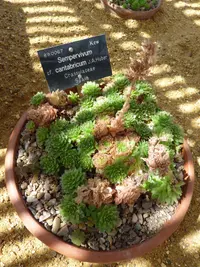
Remove and replant offsets only once they reach at least 3–4 cm across and have visible roots, which reduces transplant shock and keeps the mother rosette compact and well-shaped.

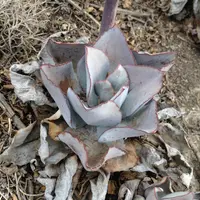
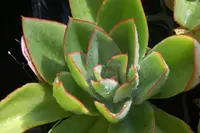
Echeveria rubromarginata is a compact succulent from rocky areas of Mexico, forming neat rosettes of fleshy leaves with distinctive red to burgundy leaf margins. The plant usually stays low and clump-forming, slowly producing offsets that create small, tidy colonies over time.
Its leaves store water, which makes it tolerant of short dry periods and generally forgiving for attentive beginners. Understanding how to care for Echeveria rubromarginata starts with bright light, very well-drained soil, and protection from prolonged cold or excess moisture.
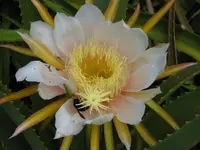
In suitable conditions, it may produce tall flower stalks with tubular blooms that attract pollinators outdoors. The combination of compact size and clear visual cues from the foliage makes it relatively easy to judge when conditions are right or need adjustment.

Care Difficulty
Easy Care

Light Preference
Full Sun

Water Requirements
Low Water

Temperature Preference
Tropical / Frost Sensitive

Hardiness Zone
10–11

Soil Texture
Sandy, Loamy, Rocky

Soil pH
Slightly acidic (6.5–7.0), Neutral (7.0)

Soil Drainage
Well-drained

Fertilization
Minimal (feed rarely)
Scan your plant to receive care tips personalized for your specific plant
Available on iOS and Android
This sun-loving succulent needs bright, direct light to keep compact and well colored.
This drought-tolerant species prefers thorough but infrequent watering in fast-draining soil.
Stable warmth and protection from frost are essential for healthy growth and leaf color.
This succulent prefers dry air and does not need extra humidity.
This species needs a very fast-draining, mineral-rich substrate to prevent root rot.
This succulent is very suitable for container growing.
This succulent needs only light feeding, as Echeveria rubromarginata is adapted to low-nutrient soils.
Pruning is minimal and mainly keeps Echeveria rubromarginata tidy and healthy.
Repotting is infrequent, but container-grown Echeveria rubromarginata benefits from occasional refresh of soil and space.
Propagation of Echeveria rubromarginata is commonly done from offsets and stem cuttings.
In cold climates this succulent needs thoughtful winter care to avoid frost damage and rot.

Plant Health Check
Not sure what's wrong with your plant? Check your plant's health inside the app.
The species develops a distinct red to deep burgundy margin on its leaves due to anthocyanin pigments, which increase in intensity under strong light and cooler temperatures and help protect tissues from UV and light stress.
This plant naturally forms tight rosettes that slowly produce offsets at the base, creating low, dense clumps rather than long stolons, which makes it well suited to shallow rocky habitats in its native Mexican range.
Leaf color shifts noticeably through the year, with greener tones in lower light or warmer seasons and more pronounced gray-green leaves with vivid red borders when days are bright and nights are relatively cool.
This species generally performs best outdoors in mild, dry climates where it receives strong light and good airflow. It can adapt to bright indoor conditions, but growth is slower and rosettes may stretch if light is insufficient.
Keep your plants happy and healthy with plant identification, disease detection, and easy care guidance.