Sempervivum vicentei Care

Sempervivum vicentei

About Sempervivum vicentei

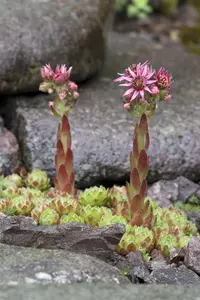
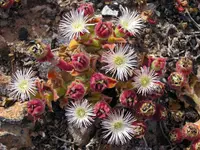
Sempervivum vicentei is a compact, rosette-forming succulent in the stonecrop family. It stores water in its thick leaves and forms dense, spreading clumps over time. Leaf color often shifts with light and temperature, ranging from green to reddish tones, giving the plant a distinctive, textured look in rock gardens or containers.

This species is native to rocky, mountainous habitats in parts of Europe, where it endures strong sun, wind, and poor, fast-draining soils. Those natural adaptations make it a low-maintenance choice, provided it receives plenty of light and does not sit in wet soil. For most gardeners, it is straightforward to care for Sempervivum vicentei if overwatering is avoided.

Main Plant Requirements

Care Difficulty

Easy Care

Light Preference

Full Sun

Water Requirements

Low Water

Temperature Preference

Cold Hardy

Hardiness Zone

5–9

Soil Texture

Sandy, Loamy, Rocky

Soil pH

Slightly acidic (6.5–7.0), Neutral (7.0)

Soil Drainage

Well-drained

Fertilization

Minimal (feed rarely)

Get Personalized Care Plan

Scan your plant to receive care tips personalized for your specific plant

Available on iOS and Android

How to Care for the Sempervivum vicentei

This alpine succulent prefers bright, open exposures and adapts well to outdoor rock gardens.

  • Provide 6–8 hours of direct sun daily, ideally with strong morning sun and lighter afternoon exposure to limit leaf scorch in very hot climates.
  • Tolerates light partial shade, especially in summer afternoons; in too much shade rosettes stretch, lose compact form, and colors fade.
  • In cooler seasons, full sun all day improves color and growth; in hot, dry regions, use gravel mulch and slight afternoon shade to reduce heat stress for Sempervivum vicentei.

This species is drought-tolerant and must dry well between waterings to avoid root problems.

  • Water only when the top 2–4 cm of soil are completely dry; in many outdoor climates this means infrequent deep soaking rather than light, frequent watering.
  • Use very fast-draining, gritty soil so water runs through quickly; standing water or heavy clay leads to root rot and mushy, collapsing rosettes.
  • In spring and fall, water slightly more often; in hot midsummer or winter dormancy, reduce watering, watching for slight leaf wrinkling as a cue rather than following a fixed schedule.

This hardy succulent tolerates a wide temperature range when kept dry and well-drained.

  • Optimal active growth occurs around 60–75°F (16–24°C), with good airflow to keep foliage dry after rain or irrigation.
  • Tolerates cold down to about 0°F (−18°C) or slightly lower if soil is sharply drained; prolonged freeze in waterlogged soil greatly increases rot risk.
  • Handles summer heat up to 90–95°F (32–35°C) if soil does not stay wet and rosettes receive some afternoon shade; above this, stress and sun scorch become more likely.

This species prefers dry air and does not need elevated humidity.

  • Target 30–50% humidity, similar to typical indoor air in heated or air-conditioned homes.
  • Dry, papery lower leaves with rot at the crown indicate excess humidity combined with poor air movement.
  • Increase air circulation with an open, breezy placement rather than using humidifiers or pebble trays.

Use a very fast-draining, mineral-rich mix to prevent crown and root rot.

  • Choose a gritty, sandy substrate with 50–70% inorganic material such as coarse sand, pumice, or small gravel.
  • Blend roughly 1 part cactus mix with 1–2 parts mineral grit to keep the root zone aerated and prevent waterlogging.
  • Aim for slightly alkaline to neutral pH around 6.5–7.5; avoid strongly acidic mixes high in peat.
  • Avoid dense, moisture-retentive soils, including heavy clay or straight potting compost, which hold water around the rosettes.

This species is well suited to container growing, especially in shallow, wide pots.

  • Select a broad, shallow container to accommodate offsets spreading horizontally while keeping the root zone shallow and dry.
  • Choose unglazed terracotta if outdoor conditions are wet, as it wicks moisture away faster than plastic or glazed ceramic.
  • Raise the pot on feet or bricks outdoors so water drains freely from the base and does not pool under the container.

This alpine succulent needs very modest feeding, as excessive nutrients can weaken rosettes and reduce color in Sempervivum vicentei.

  • Use a lean, gritty mix; optional feeding with a diluted balanced NPK (around 5-5-5 or 10-10-10) is sufficient.
  • Apply at most once in late spring or early summer, during active growth only.
  • Dilute liquid fertilizer to 25–50% strength to avoid soft, leggy growth and salt buildup.
  • Skip feeding in fall and winter when growth slows or stops; rely on the existing soil nutrients.

Pruning needs are minimal and focus on hygiene and rosette management for Sempervivum vicentei.

  • Best time is late spring to late summer, during active growth and after frost risk has passed.
  • Remove dead, dried, or diseased leaves by gently pulling them from the base to reduce rot and pests.
  • Cut away spent flowering rosettes at the base to maintain clump shape and encourage offsets to fill gaps.
  • Use clean fingers or small scissors; disinfect tools if cutting diseased tissue to avoid spreading problems.

This hardy rosette-forming succulent grows slowly and usually needs repotting or transplanting only occasionally.

  • Check for roots circling the pot, water draining poorly, or very crowded rosettes as signs it needs a larger container or new spot.
  • Plan repotting or outdoor transplanting in spring to early summer, when recovery and root growth are strongest.
  • Repot or divide every 3–4 years, using a shallow, wide container or well-drained rock garden position.
  • Gently loosen roots, replant at the same depth in dry, gritty soil, then wait 2–3 days before light watering to limit root stress.

Offset division is the primary and most reliable method for propagating Sempervivum vicentei.

  • Divide offsets in spring to early summer, when plants are actively growing and conditions are bright but not scorching.
  • Gently detach rooted offsets from the mother rosette, keeping as many roots attached as possible.
  • Plant offsets in a gritty, well-drained mix; keep slightly moist but never wet until new growth appears.
  • Seed propagation is possible but slow; sow on the surface of a fast-draining medium and provide bright, cool conditions.

This species is generally cold hardy and often needs little special winter care in the ground.

  • Mature plants tolerate frost and light to moderate freezes if soil drains very well.
  • In very wet winters, add a thin gravel mulch around rosettes to keep crowns drier and reduce rot risk.
  • Move containers under a roof overhang or into an unheated, bright shelter to avoid waterlogged, frozen soil.

Care Tips

Control Chick Production

Lift and thin excess offsets in late spring, replanting only the strongest rosettes so remaining plants have space and airflow to form tight, compact clusters.

Seasonal Container Rotation

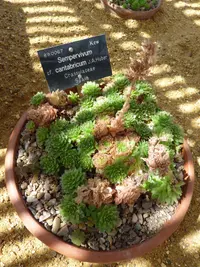
If grown in pots, rotate and slightly tilt containers a few times each year so rosettes do not permanently lean and so all sides receive similar exposure to sun and drying breezes.

Winter Wet Protection

In regions with cold, wet winters, place low, clear covers or use a cold frame roof over outdoor plantings to keep excess rain and snow off the crowns while still allowing strong light and good ventilation.

Grit Topdressing Use

Apply a 0.5–1 in layer of coarse mineral grit around rosettes to keep leaf bases dry, reduce weed germination, and prevent soil from splashing into the crowns during rain or watering.

Rock Crevice Planting

Tuck rosettes into rock crevices or between stacked stones so roots stay cool and well anchored while the crowns remain elevated and dry, which is particularly useful for growing Sempervivum vicentei in wet-prone climates.

Common Pests and Diseases

Mealybugs

This pest feeds on leaf bases and in the tight rosette center, sucking sap and weakening growth. Symptoms include white cottony clusters deep between leaves and distorted new rosettes.

Solution

Isolate the affected plant, then use a cotton swab dipped in 70% isopropyl alcohol to dab visible insects, repeating weekly until no new clusters appear. For tight rosettes, use a handheld sprayer with diluted alcohol or an insecticidal soap solution, and keep the plant in bright, dry, well‑ventilated conditions to discourage reinfestation.

Vine weevils

These insects cause night-time notching on leaf edges, while their larvae feed on roots and the base of the rosette, which can cause sudden collapse. This problem is more common in container-grown plants and rock gardens with organic-rich mixes.

Solution

Hand-pick adult beetles at night using a flashlight and shake them from pots, then apply a biological control with nematodes labeled for vine weevils to the soil in spring and late summer. Replace very loose, organic potting mixes with a more mineral, gritty substrate and avoid overmulching around rosettes, which reduces hiding places for adults.

Aphids

These insects sometimes colonize young offsets and flower stalks, sucking sap and excreting sticky honeydew. Symptoms include curled or stunted new growth and clusters of soft-bodied green, black, or brown insects.

Solution

Rinse the plant thoroughly with a firm stream of water, focusing on offsets and flower stems, then treat remaining colonies with insecticidal soap or a dilute neem oil spray, repeating every 5–7 days as needed. Encourage airflow and avoid high-nitrogen fertilization, which promotes tender, aphid-attracting growth when growing Sempervivum vicentei.

Rust

This disease occasionally affects stressed plants in humid, cool conditions, leading to orange or brown pustules on leaf undersides. Symptoms include discolored spots that may coalesce and cause premature leaf death from the outer rosette inward.

Solution

Remove and discard affected leaves and any heavily infected rosettes, then improve spacing and airflow to dry foliage faster after rain or watering. Keep the foliage dry, water at soil level only, and if the problem persists, use a sulfur-based fungicide labeled for ornamental succulents following package instructions.

Crown rot

This disease develops when water remains trapped in the tight rosette center, especially in cool, low-light conditions, leading to a mushy, foul-smelling core while outer leaves may initially look normal. Symptoms include rapid collapse of the central growth point and brown to black, water-soaked tissue at the base of leaves.

Solution

Discard fully collapsed rosettes, but salvage healthy offsets by cutting them cleanly away and re-rooting in a very well-draining, mostly mineral mix. To prevent recurrence, plant rosettes slightly tilted so water cannot sit in the crown, avoid overhead watering in cool weather, and ensure containers have ample drainage and dry out quickly between waterings.

Interesting Facts

High Pyrenean endemic

This species is naturally restricted to high-altitude limestone and siliceous rocky slopes in the central Pyrenees, where it forms tight mats in crevices exposed to strong sun, wind, and snow.

Distinctive rosette coloring

Mature rosettes often show a marked contrast between green inner leaves and reddish to purplish outer leaves, a coloration influenced by anthocyanin pigments that increase under high light and cold stress.

Adapted to freeze–thaw

Its compact rosette structure and thick, water-storing leaves help it survive repeated freeze–thaw cycles typical of its mountain habitat, reducing tissue damage from ice formation.

FAQs about Sempervivum vicentei

This species spreads slowly by producing small offsets around the main rosette. It forms a tight mat over time but is not considered aggressive and is easy to keep within defined rock garden or container spaces.

Grow Healthy Plants with Botan Care

Keep your plants happy and healthy with plant identification, disease detection, and easy care guidance.

Botan plant care app — identify plants on mobile

Explore More Plants