Selenicereus monacanthus Care

Selenicereus monacanthus

About Selenicereus monacanthus

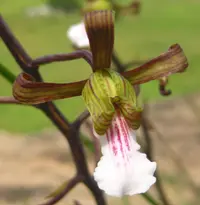
Selenicereus monacanthus is an epiphytic cactus native to tropical forests of Central and South America, where it often grows on trees or rocky cliffs. It forms long, trailing or climbing stems with sparse spines and small, wavy ribs, creating a dense, cascading mass over time.

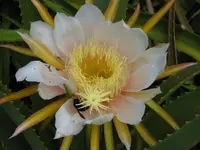
This species may produce large, night-blooming flowers, although blooming indoors is less frequent. It is considered relatively manageable for indoor growers if its basic needs are understood.

To care for Selenicereus monacanthus, provide bright, indirect light, a fast-draining soil mix, and allow the substrate to dry partially between waterings to mimic its natural habitat.

Main Plant Requirements

Care Difficulty

Moderate Care

Light Preference

Partial Sun

Water Requirements

Moderate Water

Temperature Preference

Tropical / Frost Sensitive

Hardiness Zone

10–12

Soil Texture

Sandy, Loamy, Organic-rich

Soil pH

Acidic (5.5–6.5), Slightly acidic (6.5–7.0)

Soil Drainage

Well-drained

Fertilization

Light (every 4–6 weeks)

Get Personalized Care Plan

Scan your plant to receive care tips personalized for your specific plant

Available on iOS and Android

How to Care for the Selenicereus monacanthus

This cactus prefers bright, indirect light that mimics dappled forest edges.

  • Provide 4–6 hours of bright, filtered light daily, such as under a sheer curtain or beneath light shade cloth outdoors.
  • Allow gentle morning sun, but protect from intense midday and afternoon sun, which can cause yellowing, corky patches, or scorched stems on Selenicereus monacanthus.
  • In winter, shift the plant to the brightest spot available and rotate it every 1–2 weeks to prevent weak, stretched growth.

Watering should mimic brief, soaking rains followed by dry periods.

  • Water only when the top 3–5 cm of soil is completely dry, then soak thoroughly so excess runs freely from the drainage area or moves away in the bed.
  • Use a fast-draining, gritty mix; persistent moisture, sour smell, or blackened, soft stems indicate overwatering and possible root rot.
  • Reduce watering sharply in cooler months, watching for slight stem wrinkling or dullness as a cue to water, but never let the soil stay wet for more than 2–3 days.

Temperature needs reflect its warm, seasonally drier tropical origins.

  • Aim for 65–80°F (18–27°C) during active growth for best stem development and flowering potential.
  • Protect from cold; growth slows below 55°F (13°C), and prolonged exposure under 40°F (4°C) or any frost can cause tissue damage or collapse.
  • In hot spells above 90°F (32°C), increase shade and airflow, avoiding heat-reflective surfaces that can overheat stems, especially in containers or tight corners.

This cactus handles typical indoor humidity but benefits from slightly moderate levels.

  • Aim for 30–50% humidity, which suits Selenicereus monacanthus without encouraging rot.
  • It tolerates short periods of drier air if watering is adjusted and roots are not kept wet.
  • Crisping tips or dull, wrinkling stems signal stress; increase humidity by grouping plants or placing a tray with water and pebbles nearby.

Use a sharply draining, airy mix that mimics a rocky, organic desert substrate.

  • Choose a gritty base such as cactus mix lightened with extra perlite or pumice for fast drainage and strong aeration.
  • Blend in 20–30% fine bark or coarse coconut husk to add structure and slight moisture retention without waterlogging roots.
  • Keep pH slightly acidic to neutral, around 6.0–7.0, which supports nutrient uptake for Selenicereus monacanthus.
  • Avoid dense garden soil, high-peat mixes, or any medium that stays wet longer than 2–3 days after watering.

This species is very suitable for container growing due to its climbing, sprawling habit.

  • Choose a wide, heavy pot to counterbalance long, trailing stems and prevent tipping as the plant gains mass.
  • Select unglazed clay if faster moisture loss is needed, or plastic if the plant dries too quickly in your conditions.
  • Use a pot just 2–4 in wider than the root mass to keep the soil volume small enough to dry reliably between waterings.

This epiphytic cactus benefits from light, targeted feeding during its active season.

  • Use a balanced liquid cactus fertilizer (around 10-10-10) diluted to 25–50% strength for caring for Selenicereus monacanthus.
  • Feed every 4–6 weeks in spring and summer when new stems are extending.
  • Avoid heavy, organic-rich compost that keeps the mix wet and reduces aeration around the roots.
  • Stop feeding in fall and winter, resuming only when growth clearly restarts.

Pruning helps manage size and encourage healthier, better-shaped growth.

  • Carry out pruning in late winter or early spring before strong new growth starts.
  • Remove dead, damaged, or shriveled stems first, then thin very crowded or tangled sections.
  • Shorten overly long, leggy stems to encourage branching and a fuller, more compact form.
  • Use clean, sharp pruners or scissors, and let cut surfaces dry in good air circulation to reduce rot risk.

This cactus prefers slightly tight quarters and only occasional repotting.

  • Repot every 2–3 years, or when roots circle the pot base or emerge from drainage holes and growth slows.
  • Plan repotting for late winter to early spring, just before the main flush of new growth.
  • Move into a pot only 2–3 cm wider, using a fast-draining cactus or orchid-style mix to limit root rot.
  • Gently loosen the root ball, remove old soggy mix, pot at the same depth, then keep slightly dry for 5–7 days to reduce transplant stress.

Vegetative propagation allows quick increase of plants while keeping desired traits.

  • Stem cuttings are the main method; take 8–15 cm healthy segments in late spring or early summer.
  • Let cut ends callus for 3–7 days in a dry, shaded place before planting.
  • Insert callused cuttings into a barely moist, gritty cactus mix and keep at 70–80°F in bright, indirect light.
  • Maintain very light moisture and good airflow until new growth shows that roots have formed.

Cold-sensitive stems require protection in regions with cool or freezing winters.

  • Avoid exposure below about 40°F; prolonged chills or frost can scar or kill stems of Selenicereus monacanthus.
  • Move container plants indoors or into a greenhouse before the first frost, providing bright, indirect light.
  • Keep soil almost dry in winter, watering sparingly to prevent shriveling but avoiding prolonged wetness in cool conditions.
  • In mild climates, grow in a sheltered spot and mulch the root zone lightly if ground-planted, while still preventing waterlogging.

Care Tips

Provide climbing support

Install a sturdy trellis, moss pole, or horizontal wires early so stems can be tied loosely with soft ties as they lengthen, which keeps the plant stable and encourages more branching and flowering sites.

Encourage branching cuts

Pinch or cut the tip of overly long, single stems in late spring or early summer to stimulate side shoots, creating a fuller plant with more potential flowering points over time.

Use night-light checks

Inspect stems and areoles with a flashlight at night once a month during the warm season, when some pests are more active, to catch early signs of mealybugs or scale before they build up in the plant’s grooves.

Rotate for even growth

Turn the pot 90° every 2–3 weeks during the growing season so all sides of the plant receive similar light exposure, reducing lopsided growth and stem etiolocation (weak, stretched tissue).

Cool-season rest

From late fall to late winter, provide slightly cooler, bright conditions and avoid repotting or heavy disturbance, which helps mimic a natural rest period that supports healthier flowering when growing Selenicereus monacanthus long term.

Common Pests and Diseases

Mealybugs

This pest commonly shelters in the rib angles and aerial roots of the stems, feeding on sap and weakening growth. Symptoms include cottony white clusters, sticky honeydew, and sooty mold on hanging or climbing segments.

Solution

Remove visible clusters with a cotton swab dipped in 70% isopropyl alcohol, then wash stems with a gentle spray of lukewarm water and mild insecticidal soap. Isolate the plant, repeat treatments weekly until no new insects appear, and reduce excess fertilizer that encourages soft, mealybug‑prone growth when planning Selenicereus monacanthus care instructions.

Scale insects

These insects attach tightly to the waxy stems, often along the ribs and near areoles, appearing as small brown or tan bumps. Symptoms include yellowing segments, slowed growth, and sticky residue on nearby surfaces.

Solution

Gently scrape or wipe off scales with a soft cloth or toothbrush dipped in diluted alcohol, then treat the plant with a horticultural oil spray to smother remaining nymphs. Improve light and airflow, inspect regularly, and repeat oil applications every 7–10 days until the infestation is controlled.

Spider mites

This pest thrives in warm, dry indoor air and can colonize thin, trailing stems. Symptoms include fine webbing, tiny speckling on stem surfaces, and a dull, dusty appearance of the plant.

Solution

Rinse the entire plant thoroughly under a gentle shower to dislodge mites, then apply an insecticidal soap or neem oil spray to all stem surfaces. Raise humidity slightly, avoid placing the plant next to heat sources, and repeat treatment every few days until new growth appears clean.

Fungal stem rot

This disease affects segments that stay wet or are damaged, often near the base or at points where stems rest on soggy soil or crowded supports. Symptoms include soft, dark, water‑soaked areas that collapse and may emit a foul odor.

Solution

Cut away all affected tissue with a sterile knife, trimming back into firm, healthy stem, and discard the rotted parts. Allow remaining cut surfaces to dry and callus, then maintain the plant in a sharply draining cactus mix, water only when the mix is dry, and increase airflow around dense hanging or climbing stems.

Bacterial stem spot

This disease tends to appear where mechanical damage or insect feeding has occurred on succulent stems. Symptoms include small, water‑soaked spots that turn tan to dark brown, sometimes with a slightly sunken, greasy appearance.

Solution

Remove and discard affected segments promptly, cutting several centimeters into healthy tissue and disinfecting tools between cuts. Keep water off the stems, avoid overhead watering, improve air movement, and keep the plant in conditions with bright light and moderate watering to reduce further outbreaks.

Interesting Facts

Epiphytic jungle climber

This cactus naturally grows as an epiphyte or hemi-epiphyte in tropical forests of Central and South America, climbing on trees rather than rooting deeply in soil.

Distinctive single spine rows

Its stems usually carry spines in a single row per areole or only 1–2 spines, a trait that helps distinguish it from many related night-blooming cacti with denser clusters of spines.

Night-opening white flowers

In habitat it produces large, scented, white flowers that open at night and close by morning, timed to attract nocturnal pollinators such as moths and possibly bats.

Botan icon

Did you know?

Taxonomic studies have shown that material long known under the name Selenicereus monacanthus is very close to, and in some treatments merged with, Selenicereus pteranthus, illustrating how variable and difficult to delimit this group of night-blooming forest cacti can be.

FAQs about Selenicereus monacanthus

Lack of flowering usually comes from insufficient light, no cool and dry rest period, or a plant that is still immature. Night-blooming cacti often need several years, strong light, and stable conditions before producing flowers.

Grow Healthy Plants with Botan Care

Keep your plants happy and healthy with plant identification, disease detection, and easy care guidance.

Botan plant care app — identify plants on mobile

Explore More Plants