Rotate For Symmetry
Turn the pot 90° every 1–2 weeks so all sides receive similar light, which keeps the rosette compact and prevents a lopsided growth pattern.

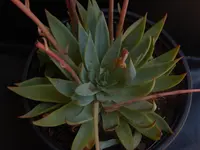
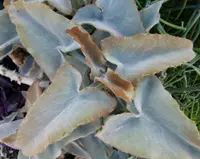
Echeveria subalpina is a compact, rosette-forming succulent from highland areas of Mexico. It stores water in thick, bluish-green leaves with a powdery surface. Leaf edges often show pink or red tones in bright light, giving the plant a neat, ornamental look in pots or rock gardens.
This species grows slowly and stays relatively small, which suits windowsills and small indoor spaces. It prefers strong light, low to moderate moisture, and sharply draining, gritty soil.
Because it tolerates short dry periods and does not need frequent repotting, it is considered manageable for beginners. Learning how to care for Echeveria subalpina mainly involves avoiding overwatering and providing enough light.

Care Difficulty
Easy Care

Light Preference
Full Sun

Water Requirements
Low Water

Temperature Preference
Tropical / Frost Sensitive

Hardiness Zone
10–11

Soil Texture
Sandy, Loamy, Rocky

Soil pH
Slightly acidic (6.5–7.0), Neutral (7.0)

Soil Drainage
Well-drained

Fertilization
Minimal (feed rarely)
Scan your plant to receive care tips personalized for your specific plant
Available on iOS and Android
This compact succulent prefers strong, steady light to keep its rosettes dense and colored.
This species is drought-tolerant and needs infrequent but thorough watering.
This succulent prefers warm, dry conditions with protection from hard frost and extreme heat.
This species prefers dry air and typical indoor humidity of 30–50% without special measures.
Use a very fast-draining, mineral-rich mix to keep roots aerated and dry between waterings.
This small succulent is very suitable for container growing.
This succulent needs only light feeding to maintain compact, healthy rosettes.
Pruning is minimal and focuses on cleanliness and maintaining an open, compact rosette.
This species prefers a stable pot but benefits from occasional repotting into fresh, fast-draining soil.
Propagation is commonly done from offsets and leaf cuttings rather than from seed.
Cold sensitivity means this succulent needs thoughtful winter care in most temperate climates.

Plant Health Check
Not sure what's wrong with your plant? Check your plant's health inside the app.
This species is naturally restricted to subalpine zones of central Mexico, typically on rocky slopes at higher elevations where nights are cooler and sunlight is intense.
Its blue-green rosettes have a noticeable glaucous bloom, a waxy surface layer that helps reduce water loss and reflects strong mountain sunlight.
The plant forms tight, symmetrical rosettes with relatively short, pointed leaves, an adaptation that reduces exposed surface area and helps protect the growth point from harsh highland conditions.
This species usually flowers in spring or summer once mature and well established. Lack of blooms often relates to insufficient light, stress from recent repotting, or heavy feeding with high-nitrogen fertilizer, which promotes leaves instead of flowers.
Keep your plants happy and healthy with plant identification, disease detection, and easy care guidance.