Encourage Column Strength
Rotate the pot 90° every 2–3 weeks in the growing season so light hits all sides evenly, which helps the column stay straight and prevents leaning toward the brightest window.

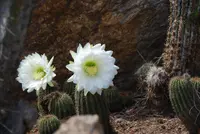
Soehrensia schickendantzii is a columnar cactus from high-altitude regions of Argentina. It forms upright, branched stems with strong ribs and dense clusters of spines.
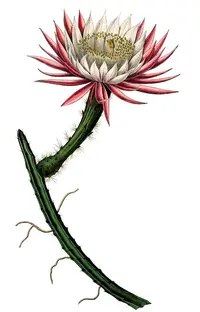
Mature plants produce showy, funnel-shaped flowers, often white to pale colored, that open mainly at night or early morning. Its slow, sturdy growth habit makes it suitable for containers and dry gardens.
This species prefers bright, direct light, low humidity, and gritty, very well-drained soil. Once the basic needs are understood, it is relatively straightforward to care for Soehrensia schickendantzii in a home or greenhouse setting.

Care Difficulty
Easy Care

Light Preference
Full Sun

Water Requirements
Low Water

Temperature Preference
Warm Climate

Hardiness Zone
8–10

Soil Texture
Sandy, Loamy, Rocky

Soil pH
Slightly acidic (6.5–7.0), Neutral (7.0)

Soil Drainage
Well-drained

Fertilization
Minimal (feed rarely)
Scan your plant to receive care tips personalized for your specific plant
Available on iOS and Android
This cactus thrives in strong sunlight but benefits from gradual adjustment to full exposure.
Watering should mimic desert rain patterns with thorough soaking followed by dry periods.
This species prefers warm, dry conditions with cool but not freezing winters.
This cactus tolerates very dry air and humidity control is rarely necessary.
This species needs a fast-draining, mineral-based mix to prevent root rot.
This cactus is well suited to container growing due to its compact, upright habit.
This cactus benefits from modest feeding during active growth in spring and summer.
Pruning needs are minimal and focus mainly on health and safety for this spiny columnar cactus.
This species grows slowly and prefers infrequent repotting or disturbance.
Soehrensia schickendantzii is commonly propagated from offsets and seeds under warm, bright conditions.
This cactus has moderate cold tolerance but still benefits from thoughtful winter management.

Plant Health Check
Not sure what's wrong with your plant? Check your plant's health inside the app.
This cactus is native to high-altitude regions of northwestern Argentina, where it grows on rocky slopes and open grasslands exposed to strong sun, large day–night temperature swings, and periodic drought.
It forms upright, columnar stems that often branch from the base to create dense clumps, with each stem carrying many shallow ribs and short, robust spines that help shade the surface from intense radiation.
Its large white flowers open mainly at night or very early morning and are strongly scented, an adaptation that targets nocturnal pollinators such as moths in its native range.

In its natural habitat, this species often acts as a nurse plant, with its spiny clumps providing shade and protection that allow more delicate seedlings of other plants to establish in the harsh high-Andean environment.
Growth is generally slow to moderate. In suitable conditions, it may add around 2–6 cm in height per year, sometimes more in warm climates. Limited root space, cool temperatures, and low light can all slow growth noticeably.
Keep your plants happy and healthy with plant identification, disease detection, and easy care guidance.