Brazilian-plume Care (Justicia carnea)

Also known as: King's-crown, Brazilian Plume Flower
Brazilian-plume

About Brazilian-plume

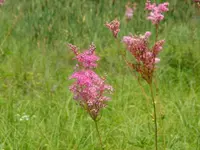
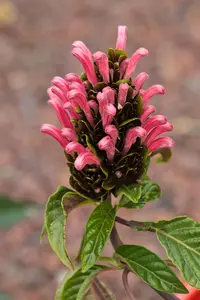
Brazilian-plume, Justicia carnea, is a tropical flowering shrub valued for its showy, plume-like clusters of pink tubular flowers and lush green foliage. It typically forms a bushy, upright clump that looks full and decorative in containers or garden beds.

This species is native to the warm, humid regions of Brazil, where it grows as an understory plant in bright, filtered light. It responds well to steady warmth, regular moisture, and a rich, well-drained soil mix, which makes it fairly manageable for home gardeners who want to care for Brazilian-plume successfully.

Main Plant Requirements

Care Difficulty

Moderate Care

Light Preference

Partial Shade

Water Requirements

Keep Soil Moist

Temperature Preference

Tropical / Frost Sensitive

Hardiness Zone

9–11

Soil Texture

Loamy, Organic-rich

Soil pH

Acidic (5.5–6.5), Slightly acidic (6.5–7.0)

Soil Drainage

Moist but well-drained

Fertilization

Light (every 4–6 weeks)

Get Personalized Care Plan

Scan your plant to receive care tips personalized for your specific plant

Available on iOS and Android

How to Care for the Brazilian-plume

Justicia carnea prefers bright, gentle light that mimics its understory forest habitat.

  • Provide 3–5 hours of soft morning sun with bright, filtered light the rest of the day; avoid harsh midday or late-afternoon sun that can scorch leaves.
  • Tolerates partial shade, but very deep shade causes weak, stretched stems and poor flowering in Brazilian-plume.
  • In summer, protect from reflected heat near walls; in winter, shift closer to bright windows or the sunniest outdoor spot to compensate for shorter days.

This species prefers evenly moist, not soggy, soil during active growth.

  • Water when the top 2–3 cm of soil feels dry, aiming for consistent moisture around the root zone without letting the soil stay saturated.
  • Reduce watering in cooler months when growth slows, but do not allow the root ball to dry completely, as Justicia carnea wilts quickly when underwatered.
  • Use well-drained soil and check for yellowing, soft leaves or a sour smell as signs of overwatering, and crisp edges or drooping as signs of underwatering.

This subtropical shrub grows best in warm, stable temperatures without frost exposure.

  • Optimal growth occurs at 65–80°F (18–27°C); flowering and foliage are fullest in this range.
  • The plant is damaged near 40°F (4°C) and can be killed by frost; in cold regions, treat it as a tender shrub and protect or move it before nights drop below 45°F (7°C).
  • Tolerates short heat spells up to about 90°F (32°C) if soil moisture is maintained and the site has some shade during the hottest hours.

This species prefers consistently moist air and benefits from moderately high humidity.

  • Aim for 50–70% humidity for healthy foliage and prolonged flowering in Brazilian-plume.
  • Tolerates short spells of 35–40% humidity but prolonged dry air causes browned leaf edges, curling, and slow growth.
  • Increase humidity with grouped plants, a pebble tray kept below the pot base, or a room humidifier rather than frequent misting.

Justicia carnea grows best in loose, moisture-retentive but well-draining soil.

  • Use a peat- or coco-based loamy mix with high organic matter to support steady moisture and nutrient availability.
  • Improve drainage and aeration by adding 20–30% perlite and/or fine bark to the potting mix.
  • Aim for slightly acidic to neutral pH, around 6.0–7.0, to keep nutrients available and root function stable.
  • Avoid compacted, heavy clay or waterlogged mixes that lead to root rot and weak, yellowing growth.

This species is well suited to container growing when the pot supports its fast, upright growth habit.

  • Choose a wide, heavy container to counterbalance the tall, leafy top growth and reduce tipping in wind or on balconies.
  • Select a pot depth that allows a broad, fibrous root system to spread rather than forcing it into a narrow column.
  • Use a container material with moderate moisture retention, such as glazed ceramic or thick plastic, to prevent rapid drying between waterings.

Justicia carnea responds well to moderate, consistent feeding during the active growing season.

  • Use a balanced water-soluble fertilizer (around 10-10-10 or 20-20-20) diluted to 1/2 strength for caring for Brazilian-plume.
  • Feed every 4–6 weeks in spring and summer, applying to moist soil to avoid root burn.
  • Reduce or stop feeding in fall and winter when growth slows, especially indoors.
  • Organic compost or a mild slow-release fertilizer can be mixed into the top layer of potting mix in spring.

Pruning helps Justicia carnea stay compact and encourages heavier flowering.

  • Cut back stems lightly in late winter or early spring before new growth starts to shape the plant.
  • Remove dead, damaged, or crossing branches whenever noticed, using clean, sharp pruners.
  • Pinch or tip-prune soft new shoots in the growing season to promote bushier growth and more blooms.
  • After flowering flushes, shorten overly long stems to maintain size and prevent legginess.

Container-grown plants benefit from timely repotting to maintain healthy, vigorous Justicia carnea growth.

  • Look for roots circling the pot, roots emerging from drainage holes, or slowed growth as signs it needs a larger container.
  • Plan to repot every 2–3 years in late winter or early spring, just before strong new growth begins.
  • Move to a pot 1–2 in wider with fresh, well-draining mix, keeping the root ball at the same soil level.
  • Water thoroughly after repotting and keep in bright, indirect light for 1–2 weeks to reduce root stress.

Propagation of Justicia carnea is commonly done from softwood or semi-ripe stem cuttings.

  • Take 8–12 cm cuttings in late spring or summer from non-flowering shoots with several leaf nodes.
  • Remove lower leaves, dip the cut end in rooting hormone, and place in a moist, free-draining medium such as perlite and peat.
  • Maintain high humidity and warm temperatures around 70–75°F with bright, indirect light for rooting.
  • Division of clumps in early spring is an alternative method if the parent plant has produced multiple strong stems.

Winter care for Justicia carnea focuses on avoiding frost damage and preserving the root system.

  • In USDA zones colder than 9, grow in containers and move indoors before temperatures drop below 40°F.
  • Outdoors in mild climates, apply a 5–8 cm mulch layer around the root zone to buffer temperature swings.
  • If stems are killed by light frost, leave them in place until late winter, then cut back to healthy growth.

Care Tips

Encourage Bushy Shape

Pinch out soft shoot tips when they have 3–4 pairs of leaves to promote dense branching and more flowering stems rather than one tall, weak cane.

Timed Hard Pruning

Cut back older stems by 1/3–1/2 in late winter or very early spring before strong growth starts, removing the thinnest and most exhausted shoots first to keep the plant vigorous and well-shaped.

Rotate For Even Growth

Turn container plants 1/4 turn every 1–2 weeks during active growth so stems develop evenly and do not lean or stretch toward a single light source.

Support Heavy Stems

Stake tall or top-heavy shoots with discreet canes and soft ties before flower spikes fully develop, preventing wind or accidental knocks from splitting stems at the base.

Monitor For Mites

During warm, dry spells, check the undersides of leaves weekly for fine webbing or stippling and, at first signs of spider mites, rinse foliage thoroughly and adjust humidity as an early, low-impact control when growing Brazilian-plume.

Common Pests and Diseases

Spider mites

This pest often appears on stressed plants kept in warm, dry indoor air, causing fine webbing and pale, speckled leaves. Symptoms include dull foliage and gradual leaf drop if populations build up.

Solution

Rinse foliage thoroughly with a strong, lukewarm water spray, including leaf undersides, then repeat every few days for 2–3 weeks; for heavier infestations, use insecticidal soap or a horticultural oil labeled for houseplants. Increase humidity around the plant and avoid letting the soil dry out completely, since good cultural conditions reduce future outbreaks when trying to grow Justicia carnea.

Whiteflies

These insects form small, fluttering clouds when the plant is disturbed and feed on leaf sap, leading to yellowing, curling foliage, and sticky honeydew on surfaces below. Sooty mold may develop on the honeydew, making leaves look dark or dirty.

Solution

Use yellow sticky traps to monitor and reduce adult populations, and regularly wash leaves with water or insecticidal soap to target nymphs on leaf undersides. Remove heavily infested leaves and avoid overcrowding, ensuring good air movement around the plant to limit rapid population growth.

Aphids

This pest clusters on tender shoot tips, new leaves, and flower buds, causing distortion, sticky honeydew, and reduced flowering. Symptoms include curled or puckered leaves and stunted new growth.

Solution

Pinch off or prune heavily infested shoot tips, then wash the remaining foliage with a firm water spray or insecticidal soap, repeating weekly until clear. Encourage strong growth with adequate light and balanced fertilizing, but avoid excess nitrogen, which promotes soft, aphid-prone growth.

Botrytis blight

This disease affects flowers, buds, and tender shoots, especially in cool, humid conditions, creating soft brown spots and fuzzy gray mold. Symptoms include blighted blooms, collapsing shoots, and premature petal drop.

Solution

Promptly remove and discard all affected flowers and stems, and improve air circulation by spacing plants and avoiding overhead watering. Water early in the day so foliage dries quickly, and in persistent cases use a fungicide labeled for ornamental plants, following package directions closely.

Leaf spot

This disease produces brown, tan, or purple-edged lesions on leaves, sometimes with a yellow halo, often appearing after periods of high humidity or poor air movement. Symptoms include premature yellowing and shedding of older foliage from the lower part of the plant.

Solution

Prune off and discard spotted leaves and any fallen debris around the base to reduce reinfection, then adjust watering so that leaves stay as dry as possible. Improve light and airflow, avoid crowding, and if new spots continue to appear, apply a copper-based or other ornamental leaf-spot fungicide according to label instructions.

Interesting Facts

Hummingbird-pollinated blooms

In its native Atlantic Forest range in Brazil, the tubular, pink flower clusters are primarily pollinated by hummingbirds, which can easily reach the nectar inside the long, curved corollas.

Ever-blooming in tropics

In warm, frost-free climates with consistent moisture, this species can flower on and off for much of the year rather than in a short, defined season.

Understory shrub origin

The plant naturally grows as an understory shrub in partially shaded, humid forest edges in eastern Brazil, which explains its preference for bright but filtered light and protection from harsh midday sun.

Botan icon

Did you know?

Botanically, this species was long placed in the large genus Justicia, but molecular studies showed it is distinct enough to belong in the closely related genus Jacobinia, and many botanists now refer to it as Jacobinia carnea while still using the traditional common name Brazilian plume.

FAQs about Brazilian-plume

Lack of flowers usually relates to insufficient light, heavy shade, or nutrient imbalance from high-nitrogen fertilizer. Old, unpruned stems can also bloom poorly. Encourage flowering by providing bright conditions, balanced feeding, and light pruning after each flush.

Grow Healthy Plants with Botan Care

Keep your plants happy and healthy with plant identification, disease detection, and easy care guidance.

Botan plant care app — identify plants on mobile

Explore More Plants