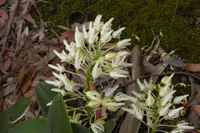
spiral sorrel Care (Oxalis spiralis)

spiral sorrel

About spiral sorrel

Spiral sorrel, Oxalis spiralis, is a small ornamental herb grown mainly for its decorative, often spiraled leaves and delicate, funnel-shaped flowers. It forms low clumps that suit windowsills, small pots, and mixed planters.

This species is native to parts of South America, where it grows in open, well-drained sites. In cultivation it prefers bright, indirect light, evenly moist but not waterlogged soil, and good drainage.

It is generally considered a manageable plant, but it can be sensitive to overwatering, poor drainage, and very low light. Understanding how to care for spiral sorrel helps prevent root issues and weak, stretched growth.

Main Plant Requirements

Care Difficulty

Moderate Care

Light Preference

Partial Sun

Water Requirements

Moderate Water

Temperature Preference

Warm Climate

Hardiness Zone

9–11

Soil Texture

Sandy, Loamy, Organic-rich

Soil pH

Acidic (5.5–6.5), Slightly acidic (6.5–7.0)

Soil Drainage

Well-drained

Fertilization

Light (every 4–6 weeks)

Get Personalized Care Plan

Scan your plant to receive care tips personalized for your specific plant

Available on iOS and Android

How to Care for the spiral sorrel

This species prefers bright, indirect light with some gentle direct sun for compact growth.

  • Provide 3–5 hours of gentle morning sun or late-afternoon sun, with light shade during harsh midday hours, especially in hotter climates.
  • Tolerates partial shade (around 4–6 hours of dappled light), but foliage may elongate and flowering may decrease if overall light stays low.
  • In summer, protect spiral sorrel from intense afternoon sun that can scorch leaves; in winter, move it to a brighter spot to compensate for shorter days.

Watering should keep the soil lightly moist but never saturated around Oxalis spiralis.

  • Allow the top 2–3 cm of soil to dry before watering again; check with a finger rather than following a fixed calendar schedule.
  • Use a well-draining mix so water runs freely from the root zone; yellowing, mushy leaves suggest overwatering, while limp, folding leaves and very dry soil signal underwatering.
  • Reduce watering in cooler months or when growth slows or foliage dies back, then resume slightly more frequent watering as new leaves emerge in the active growing season.

This plant grows best in mild, frost-free conditions with moderate seasonal variation.

  • Aim for 60–75°F (16–24°C) during active growth for reliable leaf and flower production.
  • Protect it from frost; growth is damaged below about 32°F (0°C), and prolonged exposure under 40°F (4°C) can cause dieback of foliage.
  • In hot weather above 85°F (29°C), provide afternoon shade and avoid heat-reflective surfaces, as excess heat stress may trigger leaf scorch or temporary dormancy.

Oxalis spiralis grows well in typical indoor humidity but benefits from slightly moist air.

  • Aim for 40–60% humidity; very dry heated rooms can cause leaf edges to brown and curl.
  • The plant tolerates short dry spells but prolonged air below 30% may stunt new foliage.
  • Increase humidity by grouping plants, placing the pot on a pebble tray with water, or running a nearby humidifier.

Oxalis spiralis prefers a loose, airy, and fast-draining mix that still retains moderate moisture.

  • Use a mix of 50–60% peat- or coco-based potting mix with 20–30% perlite and 10–20% compost for structure and nutrients.
  • Aim for slightly acidic to neutral pH around 6.0–7.0 to support balanced nutrient uptake and healthy root growth.
  • Ensure the soil feels crumbly, not sticky; add extra perlite or coarse sand if water lingers on the surface after watering.
  • Avoid heavy clay-based mixes, waterlogged containers, or compacted soil, which promote bulb rot and weak top growth.

This species is well suited to container growing due to its compact, clumping habit.

  • Choose a wide, shallow pot so bulbs or tubers can spread laterally without sitting in deep, wet soil.
  • Select a lightweight plastic pot if faster drying is needed, or terracotta to moderate moisture in very humid climates.
  • Place the container where it cannot be easily knocked, as the spreading foliage can make the plant slightly unbalanced when mature.

Oxalis spiralis benefits from light, consistent feeding during its active growing season.

  • Use a balanced liquid fertilizer (around 10-10-10 or 20-20-20) diluted to 1/4–1/2 strength every 4–6 weeks in spring and summer.
  • Alternative organic options include a thin top-dressing of fine compost kept away from the stems.
  • Skip feeding during dormancy or winter, when foliage has died back and growth pauses.
  • Flush the pot with plain water every few months to reduce salt buildup from soluble fertilizers.

Pruning Oxalis spiralis focuses on tidying growth and encouraging fresh foliage rather than shaping a woody structure.

  • Cut off yellowing or dead leaves at the base throughout the growing season using clean, sharp scissors.
  • Remove weak or damaged stems to reduce disease risk and direct energy to healthy foliage and flowers.
  • After a flowering flush, trim back spent flower stalks to promote a neater appearance and new blooms.
  • If the clump becomes crowded, thin some stems at soil level to improve air flow and light penetration.

This species grows from small bulbs or tubers and prefers occasional, careful repotting or lifting rather than frequent disturbance.

  • Repot or divide every 2–3 years, or when roots and tubers press against the pot sides and growth becomes sparse.
  • Plan repotting for late winter to early spring, just before strong new growth begins.
  • Gently loosen the root mass, separate clustered tubers by hand, and replant into fresh, well-drained mix with minimal root breakage.
  • Water lightly after repotting, keep in bright indirect light, and avoid heavy feeding for 2–3 weeks to limit transplant shock.

Oxalis spiralis is most commonly propagated by division of its small bulbs or tubers rather than by seed.

  • Lift the clump in late winter or early spring, when the plant is just emerging or still slightly dormant.
  • Gently separate offsets so each division has several tubers and some healthy growth buds attached.
  • Replant divisions at the same depth in loose, well-drained soil and water lightly to settle roots.
  • Maintain bright, indirect light and moderate moisture until new leaves expand, then resume normal care.

In mild climates this plant needs little winter attention, but colder regions require some protection for the underground tubers.

  • In-ground clumps in zones near the edge of hardiness benefit from 5–8 cm of dry mulch over the root zone.
  • Container plants in regions below about 25°F should be moved to a cool, frost-free space with some light.
  • Allow foliage to die back naturally, then reduce watering so tubers rest in barely moist, not wet, soil.

Care Tips

Rotate For Evenness

Turn the pot 90° every 1–2 weeks so the rosettes develop evenly and the twisted leaf stalks do not lean permanently toward the light source.

Use Cool Rest

Give the plant a cooler, slightly drier rest period for 6–8 weeks after flowering finishes to encourage stronger regrowth and more compact foliage in the next cycle.

Refresh Crowded Clumps

Every 1–2 years, lift and gently divide congested tubers or bulbs, discarding soft or shriveled ones and replanting only firm, healthy pieces to maintain vigorous growth.

Clean Up Spent Foliage

Remove yellowing or collapsed leaves at the base with sterilized scissors to reduce fungal risk and keep new growth better ventilated.

Plan Seasonal Placement

Keep the plant in a brighter, slightly cooler window during its active growth, then move it to a protected, cool, frost-free spot during its rest period to stabilize cycles when growing spiral sorrel.

Common Pests and Diseases

Spider mites

This pest commonly appears on indoor or dry-grown plants, causing stippled, faded leaves and fine webbing between leaflets and stems.

Solution

Rinse foliage thoroughly under a gentle stream of water, focusing on leaf undersides, then increase humidity and reduce heat stress; for persistent infestations use insecticidal soap or a neem oil spray every 5–7 days until new growth appears clean.

Aphids

These insects cluster on tender shoots and flower stems, sucking sap and causing distorted, curled growth and sticky honeydew on leaves.

Solution

Physically remove colonies by pinching or spraying with water, then treat new flushes of growth with insecticidal soap or horticultural oil, repeating weekly until no new aphids appear and encouraging better airflow around the plant.

Leaf spot

This disease causes small brown or purple spots on the trifoliate leaves, which may merge into larger patches and lead to premature leaf drop in wet or crowded conditions.

Solution

Remove and discard affected leaves, avoid overhead watering, improve airflow, and allow the soil surface to dry slightly between waterings; if spotting progresses, apply a copper-based or other labeled ornamental fungicide according to the product directions.

Powdery mildew

This disease shows up as a white, powdery coating on leaf surfaces and stems, which can dull the foliage color and reduce vigor in low-light, stagnant air conditions.

Solution

Increase light and air movement, avoid wetting the foliage, and remove heavily affected leaves; treat remaining foliage with a labeled fungicidal spray such as potassium bicarbonate or a sulfur-based product, applied at intervals until new growth remains clean.

Interesting Facts

Geophytic survival strategy

Oxalis spiralis forms small underground bulbs or tubers that allow it to survive dry or cool periods by going dormant and resprouting when conditions improve.

Heliophilic leaf behavior

The leaves of this species track light during the day and often partially fold at night, a movement driven by specialized hinge cells at the base of the leaflets.

Acidic leaf taste

Like many Oxalis species, its leaves contain oxalic acid, which gives them a distinctly sour flavor and helps deter some herbivores from heavy grazing.

FAQs about spiral sorrel

Brown leaf tips or patches usually come from underwatering, strong sun exposure, or excess fertilizer salts. Check soil moisture, reduce direct midday sun, and flush the pot with water occasionally to remove built‑up minerals.

Grow Healthy Plants with Botan Care

Keep your plants happy and healthy with plant identification, disease detection, and easy care guidance.

Botan plant care app — identify plants on mobile

Explore More Plants