Rose Care (Rosa 'Ballerina')

Rose

About Rose

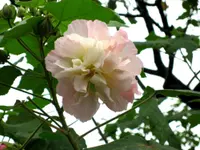
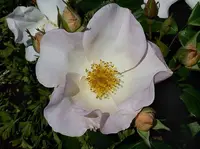
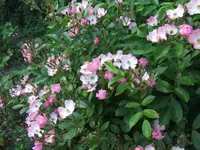
Rosa 'Ballerina' is a compact shrub rose known for its light, airy look and continuous displays of small, single pink flowers with white centers. It forms a rounded, bushy plant with clusters of blooms that resemble a flowering hedge rather than a formal rose bush.

This cultivar was bred for garden use, not collected from the wild, and is valued for its vigor and strong disease resistance compared with many classic roses. It suits mixed borders, low hedges, and cottage-style plantings.

Rosa 'Ballerina' generally prefers full sun, moderately moist but well-drained soil, and benefits from regular pruning, which makes it relatively straightforward for gardeners learning how to care for Rose.

Main Plant Requirements

Care Difficulty

Moderate Care

Light Preference

Full Sun

Water Requirements

Regular Water

Temperature Preference

Cold Hardy

Hardiness Zone

5–9

Soil Texture

Loamy, Sandy, Clay

Soil pH

Acidic (5.5–6.5), Slightly acidic (6.5–7.0)

Soil Drainage

Moist but well-drained

Fertilization

Light (every 4–6 weeks)

Get Personalized Care Plan

Scan your plant to receive care tips personalized for your specific plant

Available on iOS and Android

How to Care for the Rose

This compact shrub rose flowers best with abundant direct light while tolerating some partial shade.

  • Provide 6–8 hours of direct sun daily, with at least 3–4 hours of gentle morning sun to support continuous blooming.
  • Allow light afternoon shade in hot summers to reduce leaf scorch and fading, especially in zones with strong sun intensity.
  • In partial shade (3–5 hours sun), expect fewer flowers; avoid dense shade, which causes weak, elongated shoots and sparse flowering.

This rose prefers consistently moist, well-drained soil rather than frequent light splashing at the surface.

  • Water deeply when the top 3–5 cm of soil feels dry, soaking the root zone to 20–30 cm, then allow excess water to drain away.
  • Increase monitoring in hot, windy weather; wilting at midday that persists into evening suggests the need for a thorough watering.
  • Reduce watering in cool, wet seasons, and watch for yellowing lower leaves or soft stems as signs of overwatering in Rosa 'Ballerina'.

This shrub rose is cold hardy yet grows and flowers most actively in mild to warm conditions.

  • Aim for active growth temperatures around 65–80°F (18–27°C), when shoots extend steadily and flowering is most consistent.
  • Established plants typically tolerate winter lows near 0–5°F (-18 to -15°C) with mulching, though young plants benefit from extra protection.
  • During heat above 90°F (32°C), expect some flower scorch and shorter-lasting blooms; provide mulch and avoid pruning stress in peak heat.

Humidity is rarely a limiting factor for this shrub rose in typical outdoor conditions.

  • Performs well in 30–60% humidity commonly found in most temperate gardens.
  • Tolerates relatively dry air if roots are evenly moist and mulch protects the soil surface.
  • Watch for crisp leaf edges and stalled new growth in very hot, dry, windy weather as signs of humidity and moisture stress.
  • In extended dry spells, increase ambient humidity slightly by watering nearby soil or companion plantings, not by misting foliage.

Rosa 'Ballerina' prefers a deep, well-structured, moist but free-draining mineral soil.

  • Use a loamy soil rich in organic matter, with a crumbly structure that holds moisture yet drains well after heavy rain.
  • Aim for slightly acidic to neutral pH, around 6.0–7.0, which supports balanced nutrient availability for steady flowering.
  • Incorporate 25–40% compost plus coarse sand or fine gravel into native soil to improve both fertility and drainage around the root zone.
  • Avoid heavy, compacted clay or sites where water lingers after rain; raise the bed or amend with organic matter and grit to increase aeration.

This cultivar is suitable for container growing when the pot is large and stable.

  • Choose a container at least 40–50 cm deep to allow the long root system to anchor and support repeated flowering flushes.
  • Select a heavy material such as ceramic or concrete if the site is windy, as the shrub’s top growth can make light pots tip-prone.
  • Elevate the pot slightly on feet or bricks so drainage holes stay clear and excess water exits quickly, preventing root zone stagnation.

This shrub rose responds well to moderate, balanced feeding in active growth.

  • Apply a balanced NPK granular or liquid fertilizer at half strength every 4–6 weeks from early spring to midsummer.
  • Use a slow-release rose fertilizer or well-rotted compost around the drip line, keeping it off the stems.
  • Stop feeding 6–8 weeks before expected frost to allow stems to harden for winter.
  • Water thoroughly before and after feeding to reduce root burn and improve nutrient uptake.

Rosa 'Ballerina' benefits from thoughtful pruning to maintain a healthy, floriferous framework.

  • Prune in late winter to early spring before new growth extends, using sharp, clean bypass pruners.
  • Remove dead, diseased, or crossing stems first, cutting to healthy wood just above an outward-facing bud.
  • Thin crowded interior shoots to improve air movement and reduce foliar disease risk.
  • Shorten remaining stems by up to one-third to shape the shrub and encourage vigorous flowering growth.

This rose is usually grown in-ground, with transplanting done only when necessary.

  • Transplant in early spring or fall when temperatures are mild and soil is workable.
  • Move plants that show poor vigor, are shaded out, or outgrow their space, keeping as much root ball intact as possible.
  • Prepare a wide planting hole with well-drained, enriched soil and set the graft union just above soil level in mild climates.
  • Water deeply after planting, then keep soil evenly moist for several weeks to limit transplant shock.

Rosa 'Ballerina' is most commonly propagated from cuttings taken in the growing season.

  • Take semi-ripe cuttings in late summer, 10–15 cm long, from healthy non-flowering shoots.
  • Remove lower leaves, leaving 1–2 at the tip, and optionally dip the base in rooting hormone.
  • Insert cuttings into a free-draining mix, such as 1:1 perlite and peat-free compost, and keep evenly moist.
  • Maintain bright, indirect light and high humidity until roots form, then gradually acclimate to lower humidity.

This rose is generally cold hardy but benefits from simple winter protection in colder regions.

  • Tolerates frost in most temperate climates, though extreme cold can damage young or exposed stems.
  • Apply 5–10 cm of organic mulch around the root zone after the ground cools, keeping it off the canes.
  • In very cold or windy areas, mound soil or compost around the crown and consider a breathable burlap wrap for added insulation.

Care Tips

Fan-shaped training

Use flexible garden ties to fan the shoots out horizontally along a low fence or support, which increases flowering by encouraging more lateral shoots and keeps the shrub open to light and air.

Spent cluster removal

After the main flush, remove entire spent flower trusses just above a strong outward-facing leaf cluster to stimulate fast rebloom and maintain a tidy dome-shaped plant.

Airflow-focused spacing

When planting multiple shrubs, keep 60–90 cm between plants and avoid crowding with dense perennials so foliage dries quickly after rain and black spot pressure is reduced.

Targeted pest scouting

Inspect the undersides of leaves and young shoot tips weekly in spring and early summer for aphids and sawfly larvae, and hose or hand-remove light infestations before resorting to treatments.

Mulch management

Maintain a 5–8 cm ring of organic mulch around, but not touching, the stems to stabilize soil moisture and suppress weeds, and refresh it annually after loosening any compacted surface crust that can impede water infiltration when growing Rose.

Common Pests and Diseases

Black spot

This disease causes round black spots with fringed edges on leaves, often followed by yellowing and leaf drop, especially in humid conditions.

Solution

Remove and discard affected leaves, keep foliage as dry as possible by watering at soil level, and improve air circulation; in recurrent cases, start a preventive fungicide program labeled for roses in early spring and maintain a regular spray schedule during wet periods as part of Rosa 'Ballerina' care instructions.

Powdery mildew

This disease produces white, powdery patches on young leaves, buds, and stems, which may cause distortion and reduced flowering in warm, dry days combined with cool nights.

Solution

Prune out heavily infected shoots, space plants to increase airflow, avoid overhead watering in the evening, and use a sulfur or potassium bicarbonate fungicide at the first sign of symptoms to limit spread.

Rose aphids

These insects cluster on new shoots and flower buds, sucking sap and causing curled leaves, sticky honeydew, and reduced flower quality.

Solution

Dislodge colonies with a strong stream of water, encourage natural predators such as lady beetles, and, if needed, apply insecticidal soap or a light horticultural oil thoroughly to young growth, repeating as directed on the product label.

Rose sawfly (rose slug)

This pest is the larval stage of a sawfly and skeletonizes leaves, leaving a windowpane or lacy appearance that can make the shrub look defoliated from a distance.

Solution

Inspect foliage regularly in spring, crush or hand-pick visible larvae, and, for heavier infestations, use a contact insecticide such as insecticidal soap or spinosad, making sure to coat the undersides of leaves where larvae feed.

Rose rust

This disease forms bright orange to rust-colored pustules on the undersides of leaves, which can lead to yellowing and premature leaf drop in cool, moist weather.

Solution

Promptly remove and discard infected leaves, avoid overhead watering, increase spacing and pruning for better air movement, and apply a rose-labeled fungicide preventively in spring if rust has been a recurring problem in previous seasons.

Interesting Facts

Cluster-flowering habit

This cultivar produces many small single flowers in large, airy clusters, a trait inherited from its hybrid musk background, giving it a light, cloud-like floral display rather than typical large rose blooms.

Self-cleaning flowers

The petals drop cleanly after flowering, so the plant often looks tidy without regular deadheading, and can continue to bloom over a long season with minimal intervention.

Bee-attracting design

Its open, single blooms with accessible pollen and nectar make it especially attractive to bees and other pollinators compared with many densely petaled rose varieties.

Botan icon

Did you know?

Rosa 'Ballerina' has been influential in rose breeding, serving as a parent in several notable modern shrub and groundcover roses due to its reliable cluster-flowering habit, disease tolerance, and long blooming season.

FAQs about Rose

This shrub is remontant, meaning it repeats bloom. It typically flowers in a main flush in early summer, then produces smaller repeat flushes until frost if kept healthy and lightly deadheaded to remove spent clusters.

Grow Healthy Plants with Botan Care

Keep your plants happy and healthy with plant identification, disease detection, and easy care guidance.

Botan plant care app — identify plants on mobile

Explore More Plants