Secure Vine Supports
Use sturdy, rust-resistant wires or trellis bars and loosely tie new canes horizontally with soft garden ties to encourage more flowering shoots along each stem and prevent wind damage.

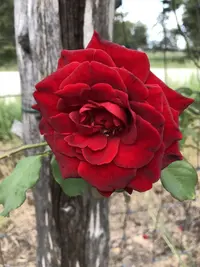
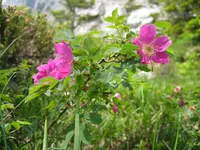
Rosa 'Don Juan' is a vigorous climbing rose known for its deep red, strongly scented flowers and repeat blooming habit. It is usually grown on trellises, arches, or walls, forming tall, vertical displays of foliage and blooms.
This cultivar was bred for garden use rather than occurring in the wild, but it performs well in many temperate regions with proper support and pruning. It is moderately demanding, as it benefits from regular feeding, good air circulation, and monitoring for common rose diseases.
Rosa 'Don Juan' prefers full sun, evenly moist but well-drained soil, and consistent care over time. Understanding how to care for Rose of this type helps maintain strong growth and abundant flowering.

Care Difficulty
Moderate Care

Light Preference
Full Sun

Water Requirements
Regular Water

Temperature Preference
Cold Hardy

Hardiness Zone
5–9

Soil Texture
Loamy, Sandy, Organic-rich

Soil pH
Acidic (5.5–6.5), Slightly acidic (6.5–7.0)

Soil Drainage
Moist but well-drained

Fertilization
Moderate (every 2–4 weeks)
Scan your plant to receive care tips personalized for your specific plant
Available on iOS and Android
This climbing hybrid tea rose needs strong sun to flower and resist disease well.
This rose prefers deep, infrequent watering that keeps roots moist but not saturated.
This rose is hardy outdoors and performs best in moderate, stable temperatures.
Climbing roses such as Rosa 'Don Juan' grow best in moderate outdoor humidity around 40–60%.
Rosa 'Don Juan' performs best in deep, well‑structured, loamy soil that drains freely but retains steady moisture.
This climbing rose can be grown in large outdoor containers if the pot is chosen and managed carefully for its tall, vigorous growth.
Rosa 'Don Juan' responds well to consistent, moderate feeding during the active growing season.
Pruning maintains health, flowering performance, and structure in Rosa 'Don Juan'.
This vigorous climber is usually grown in-ground, so transplanting timing and technique matter more than frequent repotting.
Rosa 'Don Juan' is most often propagated vegetatively to maintain cultivar traits.
This rose is fairly cold hardy but benefits from simple winter protection in colder regions.

Plant Health Check
Not sure what's wrong with your plant? Check your plant's health inside the app.
This cultivar is a vigorous climbing rose that can reach 3–4.5 m under suitable conditions, producing long, flexible canes that can be trained on trellises, arbors, or walls rather than supporting itself like a true vine.
Its deep red flowers have a strong, classic rose scent and are rich in anthocyanins, a group of pigments that give the velvety petals their dark color while also helping protect tissues from ultraviolet light damage.
Compared with many red climbing roses, this cultivar is known to maintain color and flower production relatively well in warm summer climates, where some similar roses fade or reduce blooming.

Rosa 'Don Juan' has been in continuous cultivation since its introduction in the mid-20th century and is still widely used by breeders as a parent plant, because its combination of strong fragrance, repeat flowering, and climbing habit makes it a valuable source of traits in modern rose hybridization programs.
Poor flowering often comes from insufficient light, heavy pruning at the wrong time, or low nutrients. Avoid cutting main flowering canes, feed with a balanced rose fertilizer, and ensure at least one full season for establishment.
Keep your plants happy and healthy with plant identification, disease detection, and easy care guidance.