White Water-lily Care (Nymphaea alba)

Also known as: European white waterlily, European Water-lily
White Water-lily

About White Water-lily

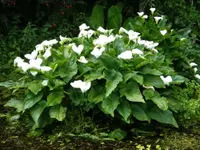
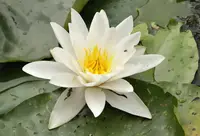
White water-lily, Nymphaea alba, is an aquatic perennial that anchors in still or slow-moving freshwater while its round leaves and flowers float on the surface. Its large white blooms with golden centers open in daylight and close at night, giving ponds a clean, structured appearance.

This species is native to Europe and parts of North Africa and western Asia, where it grows in lakes, ponds, and quiet river backwaters. It is considered moderately easy to grow if provided with stable water depth, full sun, and a heavy, clay-based aquatic soil. Understanding how to care for White Water-lily mainly involves managing water conditions and controlling its spread in small ponds.

Main Plant Requirements

Care Difficulty

Moderate Care

Light Preference

Full Sun

Water Requirements

Aquatic

Temperature Preference

Cold Hardy

Hardiness Zone

4–8

Soil Texture

Silty, Clay, Organic-rich

Soil pH

Slightly acidic (6.5–7.0), Neutral (7.0)

Soil Drainage

Waterlogged tolerant

Fertilization

Light (every 4–6 weeks)

Get Personalized Care Plan

Scan your plant to receive care tips personalized for your specific plant

Available on iOS and Android

How to Care for the White Water-lily

This aquatic plant needs strong natural light to flower well in ponds and still water bodies.

  • Provide 6–8 hours of direct sun daily; morning and midday sun promote strong blooms, while light afternoon shade helps prevent leaf scorch in hot climates.
  • Tolerates light partial shade (around 3–4 hours direct sun) but flowering will drop; pads may stretch and leaves may yellow at the edges from insufficient light.
  • Position White Water-lily away from overhanging trees or dense reeds that cast heavy shade, and adjust placement seasonally as the sun angle changes to maintain open exposure.

This species grows rooted in pond or lake bottoms and depends on stable water depth rather than soil surface moisture.

  • Maintain a consistent water depth, typically 30–90 cm above the crown; let the surrounding water stay clear, not stagnant, to avoid low oxygen stress that mimics overwatering symptoms.
  • In summer, monitor for underwatering signs such as drooping or curling leaves if water levels drop; top up ponds gradually rather than in sudden large additions.
  • Signs resembling overwatering, such as black, mushy rhizomes and foul smell, usually indicate poor drainage and anaerobic mud, so aim for moderately firm, not soupy, organic sediments.

This hardy aquatic perennial prefers cool to mild conditions but tolerates a broad outdoor temperature range when submerged.

  • Optimal growth occurs around 68–77°F (20–25°C); plants remain active and flower reliably through most temperate summers at these water temperatures.
  • Tolerates winter water temperatures down to about 41°F (5°C) if the rhizome stays below ice; the top growth naturally dies back and resumes when water warms in spring.
  • Short heat periods up to about 86°F (30°C) are usually tolerated if water is deep enough, but prolonged extreme heat combined with shallow water can cause leaf scorch and weaker flowering.

Humidity is not a key factor for Nymphaea alba, which is fully aquatic and lives submerged or floating in water.

For Nymphaea alba, soil functions as a submerged rooting medium rather than a typical potting substrate.

  • Use a heavy clay or clay-loam pond substrate that is fine-textured, cohesive, and low in organic debris to prevent clouding the water.
  • Ensure the mix is slow-draining and compact, holding roots firmly while staying fully submerged without floating or eroding away.
  • Aim for slightly acidic to neutral conditions around pH 6.5–7.5, avoiding strongly acidic or alkaline substrates that limit nutrient availability.
  • Avoid light, peaty, or sandy mixes, which wash out easily, release excess nutrients, and can promote algae growth instead of stable root anchoring.

This species is suitable for container growing in ponds or large water features when given a stable, heavy container.

  • Choose a wide, shallow, heavy basket or tub so rhizomes can spread horizontally without tipping the container when leaves expand.
  • Use a low-porosity container material or line mesh baskets with fabric to reduce soil loss while still allowing slow water exchange.
  • Place the container on a stable, level pond shelf or bricks so it cannot shift or fall over as foliage and flower stalks lengthen.

Nymphaea alba grown in lined ponds or containers benefits from light, targeted feeding during its active season.

  • Use a slow-release aquatic plant fertilizer or balanced NPK tablets pushed into the basket soil near, not touching, the rhizome.
  • Feed every 4–6 weeks during late spring–summer while the plant produces new leaves and flowers.
  • Apply at half the manufacturer’s recommended strength for sensitive or small plants to limit algal growth.
  • Stop feeding in late fall as growth slows and avoid adding fertilizer during full winter dormancy.

Pruning Nymphaea alba is mainly about maintaining clean foliage and stable flowering in the pond.

  • In late spring through summer, remove yellowing, torn, or diseased leaves by cutting stems close to the rhizome under water.
  • Trim spent flower stalks just below the water surface to direct energy back into the rhizome and encourage new blooms.
  • Thin overcrowded leaves so some water remains visible, improving light penetration and gas exchange for the whole pond.
  • Use clean, long-handled aquatic shears or scissors and disinfect blades when moving between ponds to reduce pathogen spread.

Container-grown white water-lilies need only infrequent repotting, but transplanting helps maintain healthy rhizomes and flowering.

  • Check for cramped baskets with rhizomes pressing against sides, roots circling the container, or declining bloom quality as signs to transplant.
  • Plan to divide and transplant every 3–5 years in spring as new growth buds appear, when water is warming but not yet hot.
  • Lift the basket gently, rinse off mud, and cut the rhizome into firm, healthy sections, each with at least 1–2 growing eyes and roots.
  • Replant divisions in wide, shallow aquatic baskets with heavy loam, submerge gradually to reduce stress, and keep water relatively still for several days.

White water-lily is most reliably propagated by division of its rhizomes rather than from seed for consistent flowering.

  • In mid to late spring, lift established clumps and wash away soil to clearly see the rhizome structure and growth buds.
  • Use a clean, sharp knife to divide the rhizome into sections, each carrying healthy roots and at least 1 strong bud.
  • Dust cut surfaces with powdered charcoal or a suitable fungicide to limit rot before replanting.
  • Replant divisions in aquatic baskets, cover rhizomes lightly with heavy loam, then submerge in shallow, calm water until new leaves establish.

Hardy Nymphaea alba tolerates typical temperate winters if its rhizomes remain below the freeze line in the pond.

  • In permanent ponds, ensure at least part of the water stays unfrozen to keep rhizomes insulated at the bottom.
  • Sink container-grown plants to the deepest, non-freezing section of the pond before consistent frosts.
  • In very cold regions, move baskets to a cool, frost-free garage or basement and keep rhizomes just covered with damp, not saturated, substrate.

Care Tips

Basket lining method

Line planting baskets with a layer of hessian or newspaper before adding heavy loam to keep soil from leaking into the pond and clouding the water while still allowing root penetration.

Controlled water depth

After planting, start the container on a ledge at 15–20 cm water depth and gradually lower it over 2–3 weeks to the final depth so the plant can adjust to light and temperature more safely.

Leaf thinning practice

Remove a few of the oldest, yellowing pads at the base every 1–2 weeks during the growing season to improve light penetration and water circulation around the newer leaves.

Bud protection strategy

Keep emerging flower buds free from floating debris and away from strong fountain jets or waterfalls, since physical disturbance can cause buds to abort before opening.

Winter tub management

In cold regions, move container-grown plants to the deepest, unfrozen part of an outdoor pond or to a cool, frost-free water tub indoors, which is often the most reliable approach for Nymphaea alba care in small gardens.

Common Pests and Diseases

Water lily aphids

These insects cluster on leaves, buds, and flower stalks and suck plant sap, causing distortion, yellowing, and sticky honeydew on leaf surfaces. This pest can also encourage sooty mold growth on the honeydew deposits.

Solution

Blast colonies off pads and buds with a firm jet of pond water and remove heavily infested leaves or buds. If needed, use a pond-safe insecticidal soap sprayed in the evening on exposed leaf surfaces, and encourage natural predators such as lady beetles by avoiding broad-spectrum pond chemicals.

China mark moth

This pest is a caterpillar of an aquatic moth that cuts oval or irregular holes in leaves and may roll or fold sections of the pad together. Symptoms include chewed leaf margins, floating leaf fragments, and reduced plant vigor in severe infestations.

Solution

Hand-pick caterpillars and their leaf cases from pads and remove damaged floating pieces from the pond surface. In larger ponds, introduce or support fish that feed on larvae and use a biological control containing Bacillus thuringiensis (Bt) labeled for aquatic or water-edge use, applied according to local regulations.

Leaf spot (fungal/bacterial)

This disease causes small brown to black spots on pads that can enlarge, coalesce, and cause tissue breakdown, especially in older leaves. Symptoms include ragged, thinning leaves and faster decay of affected pads on the water surface.

Solution

Trim and remove affected leaves from the pond before they decompose, and scoop out decaying plant matter to reduce pathogen load. Improve water movement and avoid overfertilizing the pond, and replant rhizomes slightly farther apart to increase light and water circulation around the pads, which supports long-term Nymphaea alba care.

Crown and rhizome rot

This disease, often caused by water molds such as Pythium or Phytophthora, leads to soft, foul-smelling rhizomes and yellowing pads that detach easily. Symptoms include weak new growth, reduced flowering, and plant sections that break down in the water.

Solution

Lift the plant and cut away all soft, discolored rhizome tissue, keeping only firm, white or light-colored sections, then replant in fresh, clean aquatic soil. Avoid covering the crown too deeply, reduce organic debris in the pond, and maintain steady water quality to limit future infections.

Water lily beetles

These insects include small beetles and their larvae that feed on leaves, creating shot holes, windowpane-like patches, or skeletonized areas. This pest can weaken pads, making them more prone to tearing and early decay on the water surface.

Solution

Collect adult beetles and larvae by hand or with a fine net and remove heavily damaged pads to disrupt the life cycle. Encourage fish that feed on larvae, and if necessary apply a pond-safe biological insect control according to label directions, avoiding treatments that harm beneficial aquatic life.

Interesting Facts

Native European lineage

This species is one of the few true white water-lilies native across much of Europe and parts of western Asia, forming genetically distinct populations that reflect post-glacial colonization routes in lakes and slow rivers.

Leaf temperature control

Floating leaves can be several degrees warmer than the surrounding water because their dark upper surface absorbs sunlight, which helps optimize photosynthesis in cooler climates where the species commonly grows.

Underwater winter survival

In cold regions, the plant survives winter not as leaves or flowers but as a submerged rhizome anchored in the sediment, resprouting floating leaves and blooms once water temperatures rise in spring.

Botan icon

Did you know?

In some clear, nutrient-rich lakes, this species can form dense, long-lived stands that act as stable habitat-engineering structures, altering light levels, water movement, and oxygen conditions in the upper water layer for decades.

FAQs about White Water-lily

Poor flowering usually comes from too little sun, water that is too deep or cold, or overcrowded rhizomes. Ensure full sun, a stable warm growing season, and divide congested clumps to restore regular summer blooms.

Grow Healthy Plants with Botan Care

Keep your plants happy and healthy with plant identification, disease detection, and easy care guidance.


Botan plant care app — identify plants on mobile

Explore More Plants