Black sapote Care (Diospyros nigra)

Also known as: Chocolate pudding fruit, Black soapapple
Black sapote

About Black sapote

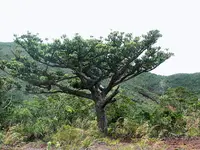
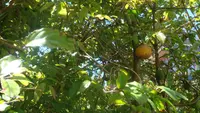
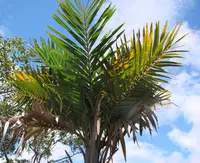
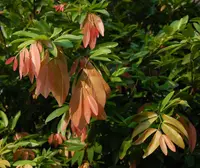
Black sapote, Diospyros nigra, is a tropical evergreen fruit tree in the persimmon family. It is grown mainly for its soft, dark, pudding-like ripe fruit. The tree has glossy green leaves and a rounded crown, and in suitable climates can become a medium to large landscape tree. It is native to Mexico, Central America, and parts of the Caribbean, and is now cultivated in other warm, frost-free regions. This species is generally considered easy to grow in truly tropical or reliably frost-free areas, but more challenging in cooler climates. It prefers warm temperatures, bright light, and well-drained soil, which guides how to care for Black sapote in home gardens or small orchards.

Main Plant Requirements

Care Difficulty

Moderate Care

Light Preference

Full Sun

Water Requirements

Regular Water

Temperature Preference

Tropical / Frost Sensitive

Hardiness Zone

10–11

Soil Texture

Sandy, Loamy, Organic-rich

Soil pH

Acidic (5.5–6.5), Slightly acidic (6.5–7.0)

Soil Drainage

Moist but well-drained

Fertilization

Minimal (feed rarely)

Get Personalized Care Plan

Scan your plant to receive care tips personalized for your specific plant

Available on iOS and Android

How to Care for the Black sapote

This tropical fruit tree needs bright, warm conditions with moderate protection from harsh midday sun.

  • Provide 6–8 hours of direct sun daily, favoring morning sun with light afternoon shade in hot climates to protect foliage from scorching.
  • Young Black sapote trees benefit from 30–50% filtered shade cloth or dappled light during their first 1–2 years while roots establish.
  • In cooler regions, choose the sunniest, south-facing spot; in very hot areas, monitor for leaf yellowing or crisp edges as signs of excess sun stress.

This species prefers evenly moist, well-drained soil rather than cycles of drought and saturation.

  • Water when the top 3–5 cm of soil feels dry, aiming for deep, slow soaking that moistens the full root zone without puddling.
  • During hot, dry periods, increase frequency, while in cooler or rainy seasons reduce watering to prevent soggy soil and root rot in Diospyros nigra.
  • Watch for drooping, dry leaves or leaf drop as signs of underwatering, and yellowing leaves or persistent wet soil as signs of overwatering.

This tropical tree grows best in consistently warm, frost-free conditions.

  • Optimal growth occurs at 70–85°F (21–29°C); growth slows noticeably below 65°F (18°C).
  • Avoid exposure below 32°F (0°C), as light frost can damage young shoots and hard frost can kill branches or entire young trees.
  • Mature trees tolerate short hot spells up to about 95°F (35°C) if soil moisture is maintained, but prolonged extreme heat can cause leaf scorch and fruit drop.

This species prefers moderate to high humidity but usually adapts to typical indoor air.

  • Aim for 50–70% humidity for steady growth, especially when Black sapote is young or actively flushing new leaves.
  • Brown, crispy leaf edges and stalled growth in warm conditions often indicate air that is too dry rather than underwatering.
  • Increase humidity with a nearby humidifier or grouping plants, but keep air moving gently to prevent fungal issues on foliage.

Diospyros nigra grows best in deep, loose, slightly acidic to neutral, well-drained soil with steady moisture.

  • Use a loamy mix: 40% compost, 30% coconut coir or peat, and 30% perlite or coarse sand for drainage and aeration.
  • Aim for pH 6.0–7.0; incorporate composted organic matter to buffer pH and improve nutrient availability.
  • Avoid heavy clay or compacted ground; raised beds or mounded planting help roots avoid waterlogging in wet climates.
  • On sandy sites, mix in organic matter and a small amount of fine bark to improve water retention without creating soggy conditions.

This species can be grown in large containers when space or climate limits in-ground planting.

  • Choose a deep, heavy pot that resists tipping as the woody canopy becomes taller and more wind-sensitive.
  • Select a container mix that drains freely but does not shrink from the pot sides, preventing hidden dry pockets near the root ball.
  • Use light-colored or thick-walled containers in hot climates to reduce root-zone overheating and moisture loss through the pot walls.

Diospyros nigra responds well to moderate feeding in warm months, especially in containers.

  • Use a balanced slow-release fertilizer (e.g., 10-10-10) or well-rotted compost at the start of the growing season.
  • Apply granular or compost feed every 8–10 weeks during active growth, avoiding direct contact with the trunk.
  • In containers, use a half-strength balanced liquid feed every 4–6 weeks if growth is pale or weak.
  • Reduce or stop feeding in late fall and winter to prevent soft, frost-sensitive growth.

Pruning Diospyros nigra is mainly done to maintain structure and tree health.

  • Best time is late winter to early spring, before vigorous new growth begins.
  • Remove dead, diseased, crossing, or inward-growing branches with clean, sharp bypass pruners or a pruning saw.
  • Thin crowded interior branches to improve light penetration and air flow, encouraging balanced canopy development.
  • Shorten overly long shoots to maintain manageable height and shape, making cuts just above an outward-facing bud.

Black sapote is usually grown in-ground, so focus on careful transplanting rather than frequent repotting.

  • Transplant in late spring once soil is warm and frost risk has passed for least stress.
  • Look for signs such as roots circling the pot, water running straight through, or slowed growth before moving young trees.
  • Handle the root ball gently, teasing only lightly at circling roots and keeping as much soil attached as possible.
  • Plant at the same depth in a larger hole with well-drained soil, water deeply, then shade and mulch to reduce transplant shock.

Diospyros nigra is most commonly propagated from seed, with grafting used for improved cultivars.

  • Sow fresh, cleaned seeds in late spring in a warm medium kept around 75–85°F and evenly moist.
  • Use a well-drained mix such as coarse sand and peat or fine bark to reduce rot risk during germination.
  • Provide bright, indirect light and consistent warmth; germination may be slow and uneven over several weeks.
  • Once seedlings develop several true leaves, pot individually, avoiding root disturbance to support steady establishment.

This tropical species is frost-sensitive and needs thoughtful winter care in cooler climates.

  • In USDA zones below 10, grow in containers and move plants indoors or into a heated greenhouse before temperatures drop near 40°F.
  • For in-ground trees in marginal climates, apply a 5–10 cm organic mulch layer around the root zone, keeping it away from the trunk.
  • Wrap young trunks with breathable horticultural fleece or tree wrap during cold snaps to limit bark damage.
  • Indoors, provide bright light and reduce watering slightly while maintaining temperatures above 60°F.

Care Tips

Fruit load thinning

Once the tree starts setting heavily, remove about 30–50% of young fruits by hand so the remaining fruits size up better and the tree does not exhaust itself, especially in the first 3–4 fruiting seasons.

Structural branch training

In the first 3–5 years, select 3–5 well-spaced main scaffold branches and remove or shorten steep, crossing, or very low branches to create a strong open canopy that can safely carry future fruit weight.

Wind and stake support

In windy sites, install a sturdy stake on the windward side of young trees and tie the trunk with a soft, flexible tie in a loose figure‑8 to prevent rocking and root damage while still allowing some natural movement.

Mulch for root stability

Apply a 5–8 cm layer of coarse organic mulch in a wide circle around the root zone, keeping it 5–8 cm away from the trunk, to buffer soil temperature swings and reduce surface root stress when growing Black sapote in hot climates.

Harvest maturity testing

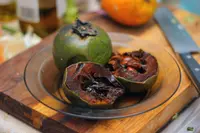
To judge harvest time accurately, check that the skin has turned dull olive‑brown and yields slightly under gentle thumb pressure, then sample a test fruit before taking a full harvest to learn the ideal stage for your local conditions.

Common Pests and Diseases

Fruit borers

This pest tunnels into developing fruits, causing premature fruit drop, internal feeding damage, and sometimes entry points for secondary rot. Symptoms include small holes on the fruit surface, frass (sawdust-like droppings), and blackened, unusable pulp.

Solution

Collect and destroy infested and fallen fruits promptly, and prune to keep the canopy open so birds and beneficial insects can access pests. In home plantings, use fine mesh fruit bags around young fruits and apply targeted Bacillus thuringiensis (Bt) or spinosad sprays only to the canopy when monitoring shows active larvae.

Black scale

These insects attach to twigs and leaves, sucking sap and producing heavy honeydew that leads to sooty mold on leaves and fruit. Symptoms include sticky surfaces, black fungal coating, and general decline with yellowing leaves.

Solution

Prune out heavily infested branches and wash leaves and twigs with a strong but gentle stream of water to remove scales and honeydew. Encourage or release natural enemies such as lady beetles, and if needed use horticultural or neem oil sprays, focusing on the undersides of leaves and young stems while avoiding high heat periods.

Leaf spot

This disease causes round to irregular brown or dark spots on leaves, sometimes with yellow halos, which can coalesce and lead to premature leaf drop. Symptoms include thinning foliage and reduced vigor, particularly in damp, poorly ventilated conditions.

Solution

Remove and discard fallen leaves and heavily spotted foliage, and prune to improve airflow through the canopy. Water at the base in the morning, avoid wetting foliage, and use a copper-based or other labeled fungicide if the problem recurs over several wet seasons as part of structured Diospyros nigra care.

Anthracnose

This disease produces dark, sunken lesions on young shoots, leaves, and sometimes fruit, especially during warm, humid weather. Symptoms include dieback of tender growth, distorted leaves, and blemished fruit surfaces.

Solution

Prune and destroy affected shoots and twigs, disinfecting pruning tools between cuts, and avoid overhead irrigation that keeps foliage wet for long periods. Improve spacing and airflow around the tree and apply a preventive copper or bio-fungicide spray at the start of warm, wet periods if anthracnose has been a recurring issue.

Mealybugs

These insects cluster in leaf axils, on young stems, and sometimes on roots, sucking sap and excreting honeydew that can lead to sooty mold. Symptoms include white cottony masses, sticky leaves, and stunted new growth or distorted young leaves.

Solution

Physically remove small infestations with a cotton swab dipped in isopropyl alcohol and rinse foliage to reduce populations and honeydew. For larger trees, promote beneficial insects, prune heavily infested shoots, and use repeated applications of horticultural or neem oil, ensuring good coverage of hidden areas where mealybugs shelter.

Interesting Facts

Chocolate pudding fruit

The ripe fruit has a soft, dark brown, custard-like pulp that resembles chocolate pudding in color and texture, which is why it is commonly called black sapote or chocolate pudding fruit, even though it is not related to cacao.

Temperature sensitive ripening

Unripe black sapote fruit is hard and astringent, but after harvest it ripens over several days at warm temperatures, undergoing a marked change in color, softness, and flavor without developing the strong aroma typical of many tropical fruits.

Seed and leaf diversity

Black sapote typically produces flattened, smooth seeds and simple, glossy leaves, but both leaf size and seed number per fruit can vary widely between individual trees and regions, which is one reason local landraces and selected clones are common in cultivation.
Botan icon

Did you know?

In parts of Mexico and Central America, black sapote has a long history as a traditional food tree, and its fruits are often eaten fresh or mixed into drinks and desserts as a mild-tasting, naturally dark coloring ingredient that does not add bitterness like cocoa.

FAQs about Black sapote

Growth is moderate. In warm, frost‑free climates, a young tree often adds 30–60 cm in height per year. Good nutrition, regular watering, and protection from wind help maintain steady growth, especially when growing Black sapote for fruit production.

Grow Healthy Plants with Botan Care

Keep your plants happy and healthy with plant identification, disease detection, and easy care guidance.

Botan plant care app — identify plants on mobile

Explore More Plants