Syagrus comosa Care

Syagrus comosa

About Syagrus comosa

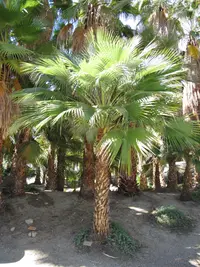
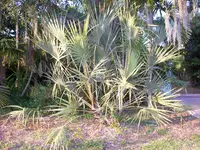
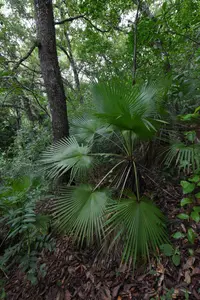
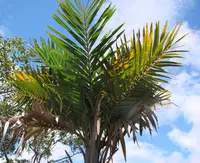
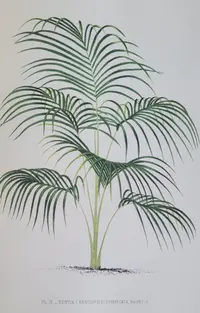
Syagrus comosa is a small to medium palm species, usually forming a single slender trunk topped with an airy crown of arching fronds. The leaves are pinnate, meaning they are feather-like, and give the plant a light, elegant look suitable for warm gardens and larger containers.

This palm is native to parts of South America, where it grows in sunny, open habitats. It prefers bright light, moderate warmth, and well-drained soil, which makes care for Syagrus comosa manageable for growers in suitable climates.

Growth is steady rather than fast, and the plant tolerates brief dry spells once established, but it does not handle hard frost. These traits make it best suited to frost-free outdoor sites or protected patios.

Main Plant Requirements

Care Difficulty

Moderate Care

Light Preference

Full Sun

Water Requirements

Moderate Water

Temperature Preference

Tropical / Frost Sensitive

Hardiness Zone

10–12

Soil Texture

Sandy, Loamy

Soil pH

Acidic (5.5–6.5), Slightly acidic (6.5–7.0)

Soil Drainage

Well-drained

Fertilization

Minimal (feed rarely)

Get Personalized Care Plan

Scan your plant to receive care tips personalized for your specific plant

Available on iOS and Android

How to Care for the Syagrus comosa

This palm prefers strong light and benefits from several hours of direct sun in most climates.

  • Provide 4–6 hours of direct morning or late-afternoon sun, plus bright light the rest of the day, for compact growth and full fronds in Syagrus comosa.
  • Allow light, shifting shade at midday in hot, inland areas to prevent leaf scorch and bleaching, especially on newly planted specimens.
  • In winter, ensure plants are not shaded by buildings or trees for most of the day, since low sun angles already reduce light intensity.

This species prefers evenly moist but not saturated soil, with clear drying between waterings.

  • Water when the top 3–5 cm of soil feels dry, then irrigate deeply so moisture reaches the full root zone, allowing excess to drain away completely.
  • During hot, dry periods, expect to water more often; in cool or rainy seasons, reduce frequency to avoid soggy soil that encourages root rot.
  • Signs of overwatering include yellowing fronds and a sour soil smell, while brown, crispy leaflet tips and slow spear growth indicate underwatering.

This palm thrives in warm, frost-free conditions with stable seasonal temperatures.

  • Aim for an active growth range of 70–90°F (21–32°C), where leaf and root development are strongest and water use is predictable.
  • Protect from temperatures below 30°F (-1°C); brief, light frost may damage leaf tips, while harder or longer freezes can kill the growing point.
  • In hot spells above 100°F (38°C), provide extra irrigation and mulch to keep roots cooler, and avoid planting against reflective walls that raise leaf temperatures.

This species prefers moderately dry air but benefits from stable humidity in cultivation.

  • Aim for 40–60% humidity, as very dry indoor air can slow growth and crisp leaf tips.
  • Syagrus comosa tolerates brief drops to 30%, but prolonged low humidity may cause brown margins and folding fronds.
  • Increase humidity with a nearby pebble tray or grouped plants rather than misting, which adds little lasting moisture.

Syagrus comosa thrives in fast-draining, slightly sandy substrates that still hold moderate moisture.

  • Use a mix of 40% coarse sand, 30% loam, and 30% composted organic matter for both drainage and nutrient retention.
  • Ensure the structure is crumbly, not compact; add perlite or fine bark to improve aeration around the root zone.
  • Aim for a slightly acidic to neutral pH of 6.0–7.0, avoiding strongly alkaline mixes that can lock up micronutrients.
  • Avoid heavy clay, poorly drained, or constantly wet substrates, which greatly increase the risk of root rot.

This palm can be grown in containers when provided with enough root depth and stable support.

  • Choose a tall, heavy-bottomed pot to counter the top-heavy crown and reduce the risk of tipping in wind.
  • Select a container material with some weight, such as ceramic, to improve stability without trapping excessive moisture.
  • Place the pot on blocks or feet so drainage holes stay clear and excess water can leave the container quickly.

This palm responds well to modest, consistent feeding during the warm growing season.

  • Use a slow-release, palm-formula or balanced NPK fertilizer at half strength at the start of spring.
  • Apply again in mid-summer if growth is active, avoiding application in late fall or winter.
  • Water before and after feeding to reduce root burn and help nutrients move into the root zone.
  • In poor soils, a light surface dressing of well-aged compost once a year can support Syagrus comosa care.

Pruning Syagrus comosa focuses on safety and cleanliness rather than reshaping the palm.

  • Carry out pruning in late winter or early spring, before strong new growth starts.
  • Remove only dead, completely brown fronds and clearly damaged or hanging leaf bases.
  • Keep green fronds whenever possible, since they supply energy and support trunk strength.
  • Use clean, sharp loppers or a pruning saw, cutting close to the trunk without gouging live tissue.

This palm is usually landscape-grown, so attention centers on careful transplanting rather than frequent repotting.

  • Transplant in late spring or early summer when soil is warm and recovery is fastest.
  • Look for circling roots, a pot-bound rootball, or stalled growth as signs a container plant needs a larger space.
  • Move to a hole or container only 1–2 sizes larger, keeping the rootball intact and at the same soil depth.
  • Water deeply after planting, shade lightly for 1–2 weeks, and maintain even moisture to limit transplant shock.

Propagation of Syagrus comosa is usually done from seed and is slow but reliable under warm, stable conditions.

  • Sow fresh, cleaned seeds in late spring or early summer, when temperatures stay above 70°F.
  • Use a well-drained, sandy mix and place seeds just below the surface, kept evenly moist but not waterlogged.
  • Maintain 75–85°F bottom warmth and bright, indirect light to support germination over several weeks or months.
  • Pot on seedlings carefully once roots fill the starter container, avoiding disturbance of the young taproot.

This palm suits warm climates and benefits from basic winter protection in cooler regions.

  • Syagrus comosa is frost-sensitive; damage may occur near or just below 32°F, especially on young plants.
  • Apply a 5–8 cm mulch layer around the root zone, keeping material away from the trunk base.
  • Wrap the crown and upper trunk with breathable frost cloth during predicted freezes.
  • Move container plants into a bright, cool, frost-free space before hard frost risk begins.

Care Tips

Stake Young Trunks

Install a sturdy stake on the windward side and use soft, wide ties at 2–3 points along the trunk to keep young plants upright until the root system fully anchors.

Mulch Root Zone

Apply a 5–8 cm layer of coarse organic mulch in a wide ring around the base, keeping it 10–15 cm away from the trunk to conserve soil moisture and reduce heat stress without encouraging rot.

Plan Wind Exposure

Site plants where they receive some wind but are protected from constant strong gusts, which can shred fronds and loosen newly planted specimens in sandy or loose soils.

Inspect Crown Regularly

Check the crown for trapped debris, dead tissue, or standing water after storms and carefully remove any buildup to reduce the risk of crown rot and pest harborage when growing Syagrus comosa.

Manage Salt Conditions

In coastal areas, choose a planting site slightly back from direct salt spray and flush the root zone with fresh water after storms if soil salt buildup is suspected to maintain healthy root function.

Common Pests and Diseases

Rhynchophorus palm weevil

This pest bores into the crown and trunk, causing wilting of the central fronds and eventual collapse of the canopy. Symptoms include oozing sap, foul odor inside the crown, and tunnels filled with frass (chewed plant material).

Solution

Remove and destroy heavily infested plants to prevent spread, and regularly inspect the crown area for early signs of boring and sap exudation. In regions where this weevil is present, use preventive systemic insecticides labeled for palms and physically remove and destroy any visible larvae or pupae in damaged tissue.

Palm leaf skeletonizer

These insects feed between the surfaces of palm leaflets, leaving transparent windows and a lace-like, skeletonized appearance. Symptoms include brown, dried feeding patches that follow the leaflet veins.

Solution

Prune and dispose of badly infested fronds to remove larvae and pupae, and monitor new growth closely for early feeding damage. Where needed, apply a targeted biological product containing Bacillus thuringiensis (Bt) or another caterpillar-specific treatment to young larvae on affected fronds.

Scale insects

This pest forms small, immobile bumps on leaf stalks and undersides of leaflets, often accompanied by sticky honeydew. Symptoms include yellowing, reduced vigor, and sometimes sooty mold growing on the honeydew-covered surfaces.

Solution

Wipe or gently scrub affected areas with a soft cloth or brush dipped in mild soapy water, then rinse well. For persistent infestations, apply horticultural oil to thoroughly coat the insects, repeating according to label directions while improving plant vigor with proper watering and light.

Ganoderma butt rot

This disease attacks the lower trunk and root flare, leading to gradual canopy thinning and death of older fronds. Symptoms include a hard, shelf-like white to reddish-brown conk (fruiting body) at the base of the trunk.

Solution

Remove and destroy affected palms, including as much of the stump and roots as practical, since there is no effective chemical cure. Do not replant another palm in the same location, and avoid trunk injuries or deep planting that can predispose palms to infection when planning how to take care of Syagrus comosa.

Fusarium wilt

This disease causes one-sided yellowing and browning of fronds, usually starting on older leaves and progressing upward, often with a sharp line between healthy green and dead tissue. Symptoms include rapid decline of the canopy despite normal watering and nutrient supply.

Solution

Prune and destroy affected fronds using clean, disinfected tools and avoid using the same pruning tools on other palms without sterilizing them. Remove and dispose of severely affected plants and ensure new palms are sourced from reputable nurseries with disease-free stock.

Interesting Facts

Endemic cerrado palm

Syagrus comosa is native to the Brazilian cerrado, a fire-influenced savanna biome, and is naturally adapted to its seasonal drought and nutrient-poor soils.

Fire-resilient growth form

This species often grows with a subterranean or very short trunk partly buried in the soil, which helps protect its growth point from periodic grassland fires.

Specialist pollinator visitors

Field observations show that its inflorescences attract a distinct assemblage of beetles and other insects that use the flowers as a site for feeding and reproduction, making it an important resource in cerrado pollination networks.

FAQs about Syagrus comosa

This palm has a moderate growth rate. In warm, frost‑free climates it may add about 15–30 cm of trunk per year once established, growing more slowly in cooler areas or when recently transplanted.

Grow Healthy Plants with Botan Care

Keep your plants happy and healthy with plant identification, disease detection, and easy care guidance.

Botan plant care app — identify plants on mobile

Explore More Plants