Never never plant Care (Ctenanthe oppenheimiana)

Never never plant

About Never never plant

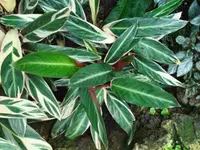
The never never plant, Ctenanthe oppenheimiana, is a tropical evergreen grown mainly for its patterned foliage. It belongs to the prayer plant group, with leaves that may subtly move with light changes. Leaves are long, often striped with cream or silver on top and purple underneath, forming dense clumps from short stems. In the wild it occurs in the understory of Brazilian rainforests, where it receives filtered light and high humidity. Indoors, it prefers stable warmth, evenly moist but not waterlogged soil, and good drainage. Understanding how to care for Never never plant largely comes down to providing gentle light, consistent moisture, and protection from cold drafts or very dry air.

Main Plant Requirements

Care Difficulty

Moderate Care

Light Preference

Bright Indirect Light

Water Requirements

Keep Soil Moist

Temperature Preference

Tropical / Frost Sensitive

Hardiness Zone

10–12

Soil Texture

Loamy, Peaty, Organic-rich

Soil pH

Acidic (5.5–6.5), Slightly acidic (6.5–7.0)

Soil Drainage

Moist but well-drained

Fertilization

Light (every 4–6 weeks)

Get Personalized Care Plan

Scan your plant to receive care tips personalized for your specific plant

Available on iOS and Android

How to Care for the Never never plant

Ctenanthe oppenheimiana prefers bright but softened light that mimics the filtered sun of tropical understory habitats.

  • Provide 4–6 hours of bright, filtered light daily, such as near an east window or under light shade outdoors; morning sun is acceptable if it is gentle.
  • Protect the Never never plant from harsh midday and afternoon sun, which can bleach patterns and cause crisp brown patches on leaves.
  • In deeper shade, growth slows and variegation fades; move slightly closer to the light source in winter when days are shorter.

This species prefers steadily moist, airy soil rather than cycles of complete drying or prolonged saturation.

  • Water when the top 2–3 cm of soil feels dry, using enough water so some drains from the bottom, then discard any excess to avoid root rot.
  • In spring and summer, soil may dry faster, so check moisture more often; in fall and winter, allow slightly longer between waterings as growth slows.
  • Signs of underwatering include curling or crisp leaf edges, while yellowing leaves and a sour smell from the mix suggest overwatering and poor drainage.

Stable, warm conditions support strong growth and good foliage color in this plant.

  • Aim for 65–80°F (18–27°C) for best growth, avoiding sudden swings of more than about 10°F (6°C) in a short period.
  • Protect from cold; growth slows below 60°F (16°C), and damage can occur near 50°F (10°C), especially with damp soil and drafts.
  • This plant tolerates short heat spikes up to about 86°F (30°C) if humidity is higher and soil does not dry completely, but prolonged extremes stress the foliage.

This species needs relatively high humidity to maintain healthy foliage and avoid leaf damage.

  • Aim for 60–80% humidity; it will survive around 50% but leaf tips may brown in drier air.
  • Crispy leaf edges, curling, and slow new growth indicate humidity stress in the Never never plant.
  • Increase humidity by grouping plants, using a humidifier, or placing the pot on a pebble tray above, not in, water.

Ctenanthe oppenheimiana prefers a loose, airy, organic-rich mix that drains quickly yet holds steady moisture.

  • Use a peat- or coco coir-based mix with added perlite and fine bark to keep the root zone moist but oxygenated.
  • Aim for slightly acidic to neutral pH around 6.0–7.0 to support nutrient uptake and stable growth.
  • Improve drainage and aeration by ensuring at least 30–40% of the mix is chunky material such as perlite, pumice, or bark.
  • Avoid dense garden soil, heavy clay, or mixes that stay waterlogged, which promote root rot and suffocation.

This species is well suited to container growing when the pot supports its spreading root system and moisture needs.

  • Choose a pot just slightly wider than the root ball to keep the mix from staying wet for too long after watering.
  • Select a stable, heavier container if the foliage becomes tall and lateral growth makes the plant prone to tipping.
  • Use moisture-retentive but well-drained mix in nonporous pots, and monitor more closely if using porous clay that accelerates drying.

Ctenanthe oppenheimiana responds well to light, consistent feeding during its active growing season.

  • Use a balanced liquid fertilizer (such as 10-10-10 or 20-20-20) diluted to 1/4–1/2 strength for caring for Never never plant.
  • Feed every 4–6 weeks in spring and summer, applying to moist soil to avoid root burn.
  • Pause or reduce feeding to once in 8–10 weeks in fall and winter when growth slows.
  • Compost or a slow-release fertilizer in spring can supplement nutrients but should be used sparingly in pots.

Pruning is mainly used to keep Ctenanthe oppenheimiana tidy and remove declining foliage.

  • Best time is late winter to early spring, before strong new growth starts.
  • Use clean, sharp scissors or hand pruners to remove yellow, brown, or damaged leaves at the base.
  • Thin out crowded stems to improve airflow and maintain a compact, balanced shape.
  • Trim only a small portion of healthy foliage at once to limit stress on the plant.

This plant prefers a stable pot but benefits from repotting when roots become crowded or growth slows noticeably.

  • Check for roots circling the pot, growing through drainage holes, or water running straight through as signs it needs repotting.
  • Repot every 2–3 years in spring, moving to a container 2–5 cm wider with fresh, airy peat-free mix.
  • Gently loosen circling roots and remove a small amount of old soil to reduce compaction without tearing roots.
  • Water thoroughly after repotting, keep in bright indirect light, and avoid heavy fertilization for 2–3 weeks to limit stress.

Ctenanthe oppenheimiana is most reliably propagated by division rather than by cuttings or seed.

  • Plan division in spring or early summer when the plant is actively growing.
  • Remove the plant from its pot and separate the root ball into clumps, each with several stems and healthy roots.
  • Plant divisions into fresh, slightly moist, well-drained mix and firm gently around the roots.
  • Maintain warm temperatures around 70–80°F, high humidity, and bright indirect light until new growth appears.

This tropical species is frost sensitive and needs warm, stable indoor conditions in winter.

  • Move container plants indoors before temperatures drop below 55°F, keeping them away from drafts and heat vents.
  • Maintain room temperatures around 65–75°F with moderate to high humidity to prevent leaf edge browning.
  • Reduce watering slightly, letting the top 2–3 cm of soil dry before rewatering, and avoid heavy feeding.
  • Outdoors in mild climates, use a light mulch around the root zone to buffer brief cool spells, but avoid freezing exposure.

Care Tips

Use wide pots

Choose a wide, shallow pot rather than a deep one to give the plant room to spread its rhizomes and shoots horizontally, which keeps the clump fuller and reduces the chance of the root ball staying waterlogged at the bottom.

Rotate for even growth

Rotate the pot 90° every 1–2 weeks so the foliage receives light from different directions, which prevents the plant from leaning and helps maintain an even, symmetrical canopy.

Divide overcrowded clumps

Every 2–3 years, lift and divide the plant into smaller sections with at least 3–4 stems and healthy roots each, which refreshes vigor, reduces congestion, and provides new plants for other containers.

Gentle leaf cleaning

Wipe leaves every 2–4 weeks with a soft, damp cloth using lukewarm water only, removing dust that can block light and lowering the chance of spider mites on the thin foliage.

Quarantine new plants

Keep any new houseplants in a separate room for 2–3 weeks before placing them nearby to reduce the risk of introducing spider mites or mealybugs, which are common pests when growing Never never plant indoors.

Common Pests and Diseases

Spider mites

This pest thrives in warm, dry indoor air and causes fine stippling, dulling, and eventual browning of leaves, often with thin webbing on undersides. Symptoms include leaf edges curling and patterned foliage losing contrast.

Solution

Rinse both sides of the leaves under a gentle lukewarm shower, then wipe undersides with a soft cloth. Increase humidity to 50–60%, isolate the plant, and repeat washing every 3–5 days; for heavy infestations, apply insecticidal soap or a neem oil spray to leaf undersides, following label directions.

Mealybugs

These insects appear as white, cottony clusters in leaf axils, along the midrib, and sometimes on roots, causing leaf yellowing and general decline. Symptoms include sticky honeydew and sooty mold on the decorative foliage.

Solution

Remove visible insects with a cotton swab dipped in 70% isopropyl alcohol and wipe affected areas. Inspect weekly and repeat spot treatment; for larger populations, use an insecticidal soap or light horticultural oil spray, ensuring good coverage of hidden crevices and the undersides of leaves.

Fungal leaf spot

This disease produces small, water-soaked or tan to brown spots on leaves that may enlarge and develop darker borders, often appearing after prolonged leaf wetness or poor air movement. Symptoms include yellow halos around spots and premature leaf drop, which can spoil the plant’s patterned foliage.

Solution

Remove and discard affected leaves, avoid overhead watering, and keep foliage as dry as possible while maintaining soil moisture. Improve airflow around the plant, avoid crowding, and in persistent cases use a broad-spectrum fungicide labeled for houseplants, applied according to directions.

Bacterial leaf spot

This disease causes irregular, translucent, or dark, greasy-looking spots that may merge and cause large dead patches, especially on older or crowded leaves. Symptoms include rapid spread under warm, humid conditions and a possible sour odor from heavily affected tissue.

Solution

Isolate the plant, remove and discard all visibly infected leaves, and sterilize scissors between cuts with 70% alcohol. Keep leaves dry, reduce overhead misting, increase spacing, and if the plant is severely affected, consider discarding it to prevent spread to other prayer plant relatives.

Fungus gnats

These insects are small, dark flies that hover around the pot and lay eggs in constantly moist potting mix, where larvae feed on organic matter and fine roots. Symptoms include slow growth, drooping despite moist soil, and visible tiny flies when the pot is disturbed.

Solution

Allow the top 2–3 cm of soil to dry slightly between waterings while avoiding full dryness, and remove any decaying plant material from the soil surface. Use yellow sticky traps to catch adults, and if needed, drench the soil with a biological control product containing Bacillus thuringiensis israelensis (Bti) according to label instructions.

Interesting Facts

Day-night leaf movement

This species shows strong nyctinasty, a daily leaf movement where leaf blades lift and partially fold upward at night due to changes in specialized hinge cells at the leaf base.

Distinctive banded pattern

Its leaves have alternating light and dark green bands with a reddish to purple underside, a pattern thought to improve light use in shaded forest understories while also providing camouflage on the forest floor.

Forest understory specialist

In its native Brazilian Atlantic Forest, this plant grows as an understory herb, adapted to low, filtered light and high year-round humidity under taller trees.

Botan icon

Did you know?

The species name oppenheimiana honors the German horticulturist and plant collector Carl Oppenheim, reflecting its early history in European cultivation and botanical description from Brazilian material.

FAQs about Never never plant

Brown, crispy edges usually result from low humidity, salt buildup from fertilizer, or exposure to cold drafts. Increase humidity, flush the potting mix occasionally with clean water, and keep the plant away from air vents or doors.

Grow Healthy Plants with Botan Care

Keep your plants happy and healthy with plant identification, disease detection, and easy care guidance.

Botan plant care app — identify plants on mobile

Explore More Plants