Drymonia conchocalyx Care

Drymonia conchocalyx

About Drymonia conchocalyx

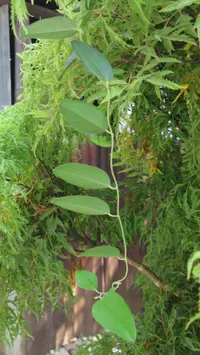
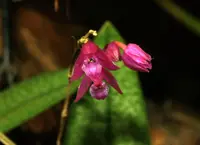
Drymonia conchocalyx is a tropical flowering plant in the Gesneriaceae family, related to African violets. It is typically grown as an ornamental foliage and bloom plant. The plant usually forms trailing or arching stems with medium green leaves and tubular flowers that add color without being overly showy.

In nature, it occurs in humid forests of Central and South America, where it grows as an understory plant with filtered light and consistent moisture. These origins make it better suited to protected indoor or greenhouse conditions in cooler climates.

Its main challenges are sensitivity to cold, very dry air, and overwatering. Once those are controlled, it is relatively moderate in difficulty, and understanding how to care for Drymonia conchocalyx helps it stay compact and healthy.

Main Plant Requirements

Care Difficulty

Moderate Care

Light Preference

Bright Indirect Light

Water Requirements

Keep Soil Moist

Temperature Preference

Tropical / Frost Sensitive

Hardiness Zone

11–12

Soil Texture

Loamy, Peaty, Organic-rich

Soil pH

Acidic (5.5–6.5)

Soil Drainage

Moist but well-drained

Fertilization

Light (every 4–6 weeks)

Get Personalized Care Plan

Scan your plant to receive care tips personalized for your specific plant

Available on iOS and Android

How to Care for the Drymonia conchocalyx

This plant prefers bright, filtered light that mimics a humid forest understory.

  • Provide 8–10 hours of bright, indirect light each day, such as near an east or north window or under sheer curtains with no direct midday sun.
  • Tolerates brief early-morning sun but strong afternoon sun scorches leaves, causing brown, dry patches and faded coloration.
  • In low light, stems of Drymonia conchocalyx may stretch and flowering declines, so move it slightly closer to the light source in winter when days are shorter.

This species prefers evenly moist conditions without staying waterlogged.

  • Water once the top 2–3 cm of soil feels dry, using enough water so some drains out, then discard any excess from saucers or cachepots.
  • Reduce watering slightly in winter when growth slows, but do not allow the entire root zone to dry out hard or leaves may droop and curl.
  • Yellowing, soft leaves suggest overwatering and poor drainage, while dull, limp leaves and very light pots point to underwatering and the need for a deep soak.

Stable, warm conditions support healthy growth and flowering.

  • Aim for 65–80°F (18–27°C) for best growth, avoiding sudden drops or drafts from frequently opened exterior doors and leaky windows.
  • Below 55°F (13°C) growth slows and foliage may suffer damage; exposure near 40°F (4°C) or frost can permanently injure or kill the plant.
  • Short periods up to 85°F (29°C) are tolerated if humidity and watering are adequate, but sustained higher heat can cause leaf edge browning and stalled growth.

This species prefers consistently moist air and benefits from elevated humidity indoors.

  • Aim for 60–80% humidity; growth often stalls and leaf edges crisp below about 45%.
  • Watch for curled leaves, dull surfaces, and browning tips as signs of low-humidity stress in Drymonia conchocalyx.
  • Increase humidity with a room humidifier, grouped plants, or an open pebble tray, avoiding misting that leaves foliage wet for long periods.

This plant prefers a loose, airy, organic-rich substrate that drains quickly but holds light, even moisture.

  • Use a mix of roughly 40% fine bark, 30% peat or coco coir, and 30% perlite or pumice to balance moisture retention and drainage.
  • Target slightly acidic conditions around pH 5.5–6.5, which support nutrient availability and healthy root function.
  • Ensure the mix is crumbly and structured, never compacted; add extra perlite or small bark if water lingers on the surface for more than a few minutes.
  • Avoid heavy garden soil, dense peat-only mixes, or containers that stay waterlogged, as these quickly lead to root rot in Drymonia conchocalyx.

This species is well suited to container growing due to its moderate root system and trailing habit.

  • Choose a shallow to medium-depth pot that is wider than it is tall to accommodate lateral root spread and cascading stems.
  • Select a lightweight plastic or composite pot if frequent repositioning is needed, but use a heavier ceramic container where top growth makes the plant unstable.
  • Ensure drainage holes are unobstructed and elevate the pot slightly so excess water clears quickly instead of pooling under the base.

Nutrient inputs help Drymonia conchocalyx maintain compact growth and flowering in containers.

  • Use a balanced liquid fertilizer (around 10-10-10 or 20-20-20) diluted to 1/4–1/2 strength for indoor plants.
  • Feed every 4–6 weeks during spring and summer, when growth is active.
  • Reduce feeding to 1 light application in fall and stop during the darkest winter months.
  • Avoid heavy compost or slow-release pellets in small pots, which can lead to salt buildup and root stress.

Light pruning keeps Drymonia conchocalyx bushy and encourages more flowering shoots.

  • Best time is late winter to early spring, just before strong new growth begins.
  • Use clean, sharp scissors or small pruners to remove dead, damaged, or leggy stems back to a healthy node.
  • Pinch soft tips on vigorous shoots to promote branching and a fuller, compact habit.
  • Cut crossing or crowded stems to improve air movement and light penetration into the plant canopy.

Container-grown plants benefit from occasional repotting to refresh soil and support root health.

  • Check for roots circling the pot, pushing through drainage holes, or unexplained slow growth as cues to repot Drymonia conchocalyx.
  • Plan repotting in spring every 1–2 years, when the plant is entering active growth.
  • Move to a pot 2–3 cm wider with fresh, airy, well-draining mix to limit waterlogging stress.
  • Water thoroughly after repotting, keep in bright but indirect light, and avoid heavy feeding for 2–3 weeks while roots re-establish.

Stem cuttings are the most practical method for expanding a collection of this species.

  • Take 7–10 cm non-flowering stem cuttings in late spring or summer, each with 2–3 nodes.
  • Remove lower leaves, optionally dip the cut end in rooting hormone, and place in moist, sterile mix or water.
  • Maintain 70–80°F, high humidity, and bright, indirect light to encourage rooting.
  • Transplant rooted cuttings carefully into small pots and acclimate to normal room conditions over 7–10 days.

This species is frost-sensitive and needs warm, stable indoor conditions in winter.

  • Move any outdoor or porch containers indoors before temperatures drop near 50°F.
  • Maintain indoor temperatures around 65–75°F and avoid cold drafts or sudden temperature swings.
  • Water less often in winter, keeping the mix just slightly moist and never saturated.
  • Provide bright, indirect light and avoid placing Drymonia conchocalyx against cold window glass.

Care Tips

Use Wide Pots

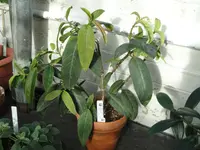
Choose a shallow, wide pot rather than a deep one to give the creeping stems room to spread and root along the surface, which results in a fuller, more compact plant mat.

Encourage Surface Rooting

Gently pin long stems onto the soil surface with small, plastic plant clips or U-shaped wire so that nodes touch the mix and form new roots, thickening the plant over time.

Regular Stem Renewal

Every 6–12 months, remove the oldest, woody or bare stems and replant tip cuttings in the same pot to maintain dense growth and prevent a leggy, sparse appearance when growing Drymonia conchocalyx.

Bottom-Watering Rotation

Alternate normal top watering with periodic bottom watering in a tray to encourage even root development and reduce the risk of crown rot from keeping the stem base too wet.

Check Undersides Frequently

Inspect the undersides of leaves and along stem joints every 1–2 weeks with a hand lens if possible, since early detection of mites or mealybugs on this fine-textured foliage makes control much easier.

Common Pests and Diseases

Mealybugs

This pest feeds on plant sap and often hides in leaf axils and along fuzzy stems, leaving cotton-like clusters and sticky honeydew. Symptoms include distorted new growth, slow decline, and sooty mold growing on the honeydew.

Solution

Isolate the plant, then dab visible insects with cotton swabs dipped in 70% isopropyl alcohol and gently wipe affected areas. Increase air movement, reduce excess nitrogen fertilization, and repeat alcohol or insecticidal soap treatments every 7–10 days until no new insects appear.

Spider mites

These insects thrive in warm, dry indoor air and can be hard to see, but their feeding causes fine stippling, dull leaves, and delicate webbing on the undersides. Symptoms include leaf thinning, leaf drop, and a generally dusty appearance on foliage.

Solution

Shower the plant with lukewarm water, focusing on the undersides of leaves, then use a miticidal soap or horticultural oil labeled for indoor plants. Maintain higher humidity, regularly rinse foliage, and inspect foliage weekly, since consistent moisture on leaves and better air quality help discourage population rebound during Drymonia conchocalyx indoor care.

Thrips

These insects scrape and suck at the soft leaf and flower tissue, causing silvery streaks, distorted new growth, and dark specks of excrement on leaf surfaces. Flowers and buds may be deformed or fail to open.

Solution

Remove heavily damaged flowers or leaves and place yellow or blue sticky traps near the plant to monitor adults. Rinse foliage thoroughly, then apply insecticidal soap or a systemic insecticide suitable for indoor ornamentals, repeating at 7–10 day intervals to break the life cycle.

Botrytis blight

This disease is a fungal infection that favors cool, humid, low-airflow conditions and dense fuzzy foliage. Symptoms include soft brown spots on leaves or flowers, gray fuzzy mold, and rapid tissue collapse in crowded areas of the plant.

Solution

Remove and discard all affected tissue, then improve air circulation and avoid overhead watering, especially in the evening. Allow the top of the potting mix to dry slightly between waterings, clean fallen plant debris, and if needed apply a fungicide labeled for botrytis on indoor ornamentals while keeping foliage as dry as possible.

Powdery mildew

This disease appears as white, powdery patches on leaves and stems, which may lead to yellowing and reduced vigor in humid rooms with poor airflow. Symptoms include a dusty coating that spreads across leaves and reduces photosynthesis.

Solution

Increase light and air movement around the plant and avoid wetting the foliage during watering. Remove heavily affected leaves and apply a sulfur-based or potassium bicarbonate fungicide suitable for indoor use, repeating as directed until new growth develops clean and unaffected.

Interesting Facts

Color-changing corolla

The tubular flowers shift from yellow to orange-red as they age, reflecting changes in pigment concentration that likely signal different stages of nectar availability to pollinators.

Hummingbird pollination link

In its native Neotropical forests, this species is pollinated primarily by hummingbirds, which are attracted by the pendant, tubular flowers adapted to match the birds’ hovering and bill-feeding behavior.

Velvety foliage adaptation

The softly hairy leaves are an example of pubescence, a trait that can reduce water loss and diffuse intense light under broken forest canopies where this plant naturally grows.

FAQs about Drymonia conchocalyx

This species usually performs better indoors or in sheltered greenhouses in most US climates, where warmth, humidity, and stable conditions are easier to control than outdoors. It can go outside only in consistently frost‑free, humid, shaded environments.

Grow Healthy Plants with Botan Care

Keep your plants happy and healthy with plant identification, disease detection, and easy care guidance.

Botan plant care app — identify plants on mobile

Explore More Plants