Oxytropis foucaudii Care

About Oxytropis foucaudii

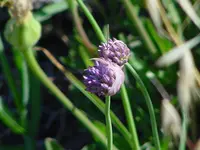
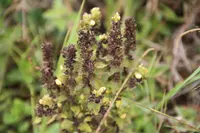
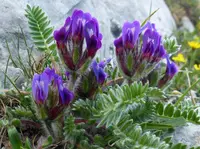
Oxytropis foucaudii is a small perennial legume, forming low clumps with fine, often hairy foliage and dense clusters of pea-like flowers. It has a compact, cushion-forming habit suited to open, exposed sites.

This species is native to rocky, usually mountainous habitats, where soils are mineral-rich, well drained, and often dry. It is adapted to short growing seasons and relatively harsh conditions.

These traits make it better suited to experienced growers, rock gardens, or specialized collections rather than casual indoor culture. Anyone learning how to care for Oxytropis foucaudii should focus on bright light, very free-draining soil, and careful watering to avoid root problems.

Main Plant Requirements

Care Difficulty

Moderate Care

Light Preference

Full Sun

Water Requirements

Low Water

Temperature Preference

Cold Hardy

Hardiness Zone

4–7

Soil Texture

Sandy, Rocky, Loamy

Soil pH

Slightly acidic (6.5–7.0), Slightly alkaline (7.0–7.5)

Soil Drainage

Well-drained

Fertilization

Minimal (feed rarely)

Get Personalized Care Plan

Scan your plant to receive care tips personalized for your specific plant

Available on iOS and Android

How to Care for the Oxytropis foucaudii

This alpine legume prefers bright, open conditions with strong but not scorching sun.

  • Provide 6–8 hours of direct sun daily, ideally with morning sun and light afternoon exposure in cooler climates.
  • In hotter regions, allow full sun until midday, then light shade or filtered light to prevent leaf scorch and desiccation.
  • Avoid deep shade; less than 4 hours of sun leads to weak, floppy growth and poor flowering in Oxytropis foucaudii.

This species prefers dry, fast-draining conditions and is sensitive to excess moisture.

  • Allow the soil to dry at least in the top 5–8 cm before watering, then water thoroughly so it drains quickly away from the roots.
  • Use gritty, sharply draining soil or a rocky slope; persistent wetness, algae, or a sour smell indicates overwatering and root risk.
  • In cool seasons reduce watering sharply; limp, shriveled leaves suggest drought stress, while yellowing, mushy foliage suggests saturation.

This hardy alpine plant tolerates significant cold but prefers cool to moderate growing conditions.

  • Aim for active growth in 50–70°F (10–21°C), which supports compact foliage and steady flowering.
  • Mature plants often survive down to about 0°F (-18°C) with good drainage; avoid freeze-thaw cycles in waterlogged soil.
  • In summer, brief heat up to 80–85°F (27–29°C) is acceptable if roots stay cool and soil does not stay wet, reducing rot risk.

This alpine species handles low humidity well and rarely needs special humidity management indoors.

  • Aim for 30–50% humidity, similar to most heated homes, without deliberate humidification.
  • Plant in a freely draining, gritty mix so roots are not exposed to prolonged damp conditions despite ambient humidity level.
  • Watch for rot at the crown or limp, yellowing foliage as signs that air and substrate are staying too moist.

This species prefers lean, mineral, sharply drained soil that mimics rocky alpine slopes.

  • Use a sandy or gritty loam with 40–60% mineral aggregate such as coarse sand, grit, or small gravel to prevent water retention around the roots.
  • Keep drainage very fast; water should run through in seconds, leaving the mix just slightly moist and never soggy.
  • Aim for slightly alkaline to neutral pH around 7.0–7.8, avoiding strongly acidic, peat-heavy mixes that stay wet.
  • For Oxytropis foucaudii in pots, combine low-organic potting soil with coarse sand and pumice or perlite to maintain aeration and avoid dense, compacted substrates.

This species can be grown in containers if the pot and mix strongly favor rapid drainage.

  • Choose a deep, narrow pot that allows the taproot to extend downward without circling or hitting a flat barrier too early.
  • Select unglazed clay to let excess moisture evaporate through the pot walls, reducing the risk of root rot in wet climates.
  • Raise the container on feet or blocks so drainage holes stay clear and runoff cannot reabsorb into the root zone.

This alpine legume is adapted to low-nutrient soils and usually needs minimal fertilization in cultivation.

  • If growth is very weak in poor substrate, apply a low-dose, balanced NPK fertilizer at 1/4 strength once in early spring.
  • Use a gritty, lean mix and avoid rich compost or frequent feeding, which encourages lush, weak growth.
  • Do not fertilize during summer dormancy or winter; excess nutrients can stress Oxytropis foucaudii and shorten its lifespan.

Pruning needs are light and mainly focused on hygiene and maintaining a compact mound.

  • Best time is late winter or very early spring before new growth starts.
  • Remove dead, diseased, or winter-damaged stems with clean, sharp scissors or small hand pruners.
  • Lightly trim spent flowering stems to tidy the plant and encourage a denser cushion form.
  • Avoid cutting into older woody crowns, as this can reduce vigor and flowering.

This species dislikes root disturbance, so transplanting should be infrequent and done with care.

  • Consider moving plants only when roots circle the pot, growth stalls, or soil structure collapses.
  • Plan transplanting for early spring or early autumn, avoiding hot, dry periods to limit stress.
  • Handle the root ball gently, keeping as much soil intact as possible, and replant at the same depth in a sharply drained site.
  • After transplanting, water once to settle soil, then allow the mix to dry slightly between light waterings.

Propagation is mainly done from seed, and success depends on mimicking natural cold conditions.

  • Sow fresh seeds in late summer or early autumn in a very free-draining, gritty mix.
  • Provide cold stratification by exposing sown pots to 6–8 weeks of cool, outdoor conditions around winter.
  • Keep the seed mix just barely moist; excess water greatly increases damping-off risk.
  • Transplant seedlings carefully into individual cells once they have several true leaves and firm root systems.

This alpine perennial is generally cold hardy but benefits from protection against excess winter moisture.

  • Plants in the ground tolerate frost well if drainage is excellent and soil does not stay waterlogged.
  • Apply a thin, gritty mulch around the crown in late autumn to keep the neck dry, not to warm it.
  • Container plants can be moved to a cold, bright, unheated shelter to reduce freeze–thaw cycles and saturation.

Care Tips

Winter drainage protection

In climates with wet winters, place the plant on a slight gravel mound or add a narrow grit collar around the crown so meltwater and rain run off quickly and do not cause root or crown rot.

Alpine-style mulching

Top-dress the planting area with a 1–2 cm layer of sharp grit or small gravel to keep the crown dry, reduce splash-back of soil onto the foliage, and mimic the sharp-drained conditions of its natural alpine habitat.

Root disturbance control

Avoid lifting, dividing, or replanting established clumps, since this species resents root disturbance; plan their position carefully at planting and only move plants if they decline or outgrow the space.

Targeted legume inoculation

When planting into new, sterile, or heavily disturbed soil, dust the roots or planting hole with a rhizobium inoculant formulated for legumes to support nodule formation and improve nitrogen fixation.

Snow and freeze management

In very cold but wet regions, use a simple cold frame lid, rigid plastic sheet, or alpine house roof to shed winter moisture while allowing cold temperatures, which helps balance cold tolerance with the need for a dry crown when caring for Oxytropis foucaudii.

Common Pests and Diseases

Alfalfa weevils

These insects feed on foliage and young shoots, leaving notched or skeletonized leaflets and slowing growth, especially in dry, open sites. This pest is mainly a risk where nearby forage legumes are grown.

Solution

Hand-pick larvae where plants are few, and encourage natural predators by maintaining plant diversity and avoiding broad-spectrum insecticides nearby. In larger plantings, monitor in spring and use a targeted, labeled legume-safe insect control only if leaf damage becomes severe, focusing on spot treatment rather than whole-site spraying.

Pea aphids

These insects cluster on tender shoots and flower stalks, sucking sap and causing curling, stunting, and sticky honeydew deposits that can attract sooty mold. Infestations tend to rise in warm, calm weather near other pea or vetch hosts.

Solution

Dislodge colonies with a firm stream of water and clip off heavily infested tips. Promote lady beetles and other beneficial insects, and only if populations remain high, use a selective insecticidal soap or neem product labeled for legumes, applied in the evening to limit stress on the plant and beneficials.

Powdery mildew

This disease appears as white or gray powdery patches on leaf surfaces, which can lead to yellowing and premature leaf drop in dense clumps. Symptoms include stronger development in warm days and cool, humid nights with limited air movement.

Solution

Improve airflow by gently thinning overcrowded stems and removing nearby dense vegetation, and avoid wetting foliage when watering. Remove and discard the most affected leaves or whole small plants after flowering, and in repeatedly affected sites consider a preventive sulfur or potassium bicarbonate spray labeled for legumes at the first sign of infection.

Rust

This disease produces small orange to brown pustules on the undersides of leaves and along stems, which can coalesce and cause leaf yellowing and early senescence. Symptoms include greatest impact in moist, cool periods or where foliage stays damp for long intervals.

Solution

Promptly remove and dispose of infected leaves and plant debris to reduce spore buildup, and space plants to enhance drying after rain. In areas with recurrent problems, use site selection with good air flow and consider a legume-safe fungicide labeled for rust on ornamental or wild legumes, applied early in the season as per product instructions.

Crown and root weevils

These insects feed on roots and the plant base, leading to gradual wilting, poor vigor, and plants that pull up easily due to chewed roots. Above-ground adults may create notches along leaflet edges, but the hidden larvae cause most decline.

Solution

Inspect soil around declining plants for white, curved larvae and remove them by hand where feasible. Reduce hiding places such as dense mulch at the crown, encourage ground-active predators, and if damage persists in high-value plantings, consider targeted soil-applied biological controls like entomopathogenic nematodes according to label directions for legume hosts.

Interesting Facts

Endemic Pyrenean legume

This species is a narrow endemic of the eastern French Pyrenees, where it grows naturally on high-elevation rocky slopes and limestone substrates in a very restricted area.

Calcicolous habitat specialist

It is strongly associated with calcareous (lime-rich) screes and rock ledges, showing a clear preference for basic soils and open, well-drained, high-mountain conditions.

Conservation concern status

Oxytropis foucaudii is considered regionally threatened due to its very limited distribution and specialized habitat, and it appears on French conservation red lists for Pyrenean flora.

FAQs about Oxytropis foucaudii

This species is a perennial, forming a long-lived clump that returns each year from its root system. Individual stems and leaves die back naturally, but the crown and roots persist and regenerate new growth in the next season.

Grow Healthy Plants with Botan Care

Keep your plants happy and healthy with plant identification, disease detection, and easy care guidance.

Botan plant care app — identify plants on mobile

Explore More Plants