Bulb Marking Stakes
Place small, durable stakes or labels where bulbs are planted so you avoid disturbing them with digging or dividing nearby perennials when the foliage has died back and disappeared from view.

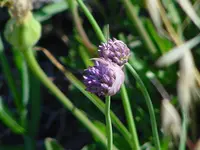
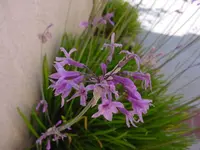
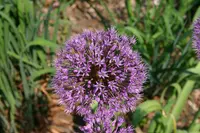
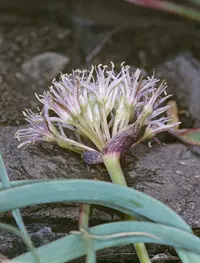
Allium acutiflorum is a small ornamental onion grown mainly for its loose clusters of starry, pale lilac to pink flowers on slender stems above narrow leaves. It forms clumps from bulbs and typically has an upright, airy habit that suits borders, rock gardens, and naturalistic plantings.
This species is native to parts of southeastern Europe, where it grows in open, often rocky or grassy sites with good drainage. Its bulbous nature and tolerance of relatively poor soils make it a durable garden choice once established.
Gardeners who want to care for Allium acutiflorum should note its preference for sun, moderately dry conditions, and well-drained soil, which all support healthy flowering and long-lived clumps.

Care Difficulty
Easy Care

Light Preference
Full Sun

Water Requirements
Moderate Water

Temperature Preference
Cold Hardy

Hardiness Zone
4–9

Soil Texture
Sandy, Loamy, Rocky

Soil pH
Slightly acidic (6.5–7.0), Neutral (7.0)

Soil Drainage
Well-drained

Fertilization
Minimal (feed rarely)
Scan your plant to receive care tips personalized for your specific plant
Available on iOS and Android
This bulb prefers bright, open conditions to flower well in most gardens.
This ornamental allium prefers evenly moist but never saturated soil, especially during active growth.
This hardy bulb tolerates a wide temperature range but grows best in cool to mild conditions.
This bulb is adapted to temperate outdoor climates and does not have special humidity requirements.
Allium acutiflorum prefers loose, well-drained mineral soils that do not stay wet around the bulbs.
This species can be grown successfully in containers if moisture and stability are managed carefully.
This hardy bulb usually needs only light feeding in average garden soil, so keep fertilization modest for Allium acutiflorum.
Pruning Allium acutiflorum is minimal and focuses on tidiness and seed control rather than shaping.
This ornamental allium is typically grown in open ground, with transplanting focused on dividing clumps rather than frequent repotting.
Propagation of this bulbous species is straightforward through division, with seeds used mainly for longer-term selection work.
This cold-hardy bulb typically needs little special winter care in most temperate climates.

Plant Health Check
Not sure what's wrong with your plant? Check your plant's health inside the app.
This species is native to limited areas of central and southeastern Europe, particularly in countries such as Austria, Hungary, and the Balkans, where it grows in dry, open grasslands and rocky slopes.
It produces loose, delicate umbels of pink to lilac star-shaped flowers typically in late spring to early summer, often after many other wild alliums in its native habitats have finished blooming.
In the wild it is frequently associated with calcareous, or lime-rich, soils and dry, well-drained sites, reflecting an adaptation to nutrient-poor but mineral-rich grassland environments.
Lack of flowering usually comes from bulbs planted too shallow or too deep, depleted nutrients, or overcrowding. Allow foliage to die back naturally, then divide congested clumps and apply a balanced, low-nitrogen bulb fertilizer after flowering each year.
Keep your plants happy and healthy with plant identification, disease detection, and easy care guidance.