Blue Potato Bush Care (Lycianthes rantonnetii)

Also known as: Paraguayan nightshade, blue potato-shrub
Blue Potato Bush

About Blue Potato Bush

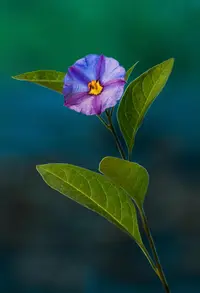
Blue potato bush, Lycianthes rantonnetii, is a fast-growing evergreen shrub often trained as a small tree or patio standard. It belongs to the nightshade family. Plants carry masses of violet to purple, yellow-eyed flowers from warm spring weather into fall, followed by small, decorative berries. Foliage is typically bright green and forms a loose, arching canopy. In the wild, it originates from parts of South America with mild, frost-free conditions. It suits gardeners who enjoy a showy, long-blooming plant but can manage regular pruning and shaping. Those who want to learn how to care for Blue Potato Bush should note its preference for plenty of sun, moderate water, and well-drained soil.

Main Plant Requirements

Care Difficulty

Moderate Care

Light Preference

Full Sun

Water Requirements

Moderate Water

Temperature Preference

Tropical / Frost Sensitive

Hardiness Zone

9–11

Soil Texture

Sandy, Loamy, Organic-rich

Soil pH

Acidic (5.5–6.5), Slightly acidic (6.5–7.0)

Soil Drainage

Moist but well-drained

Fertilization

Light (every 4–6 weeks)

Get Personalized Care Plan

Scan your plant to receive care tips personalized for your specific plant

Available on iOS and Android

How to Care for the Blue Potato Bush

This sun-loving shrub flowers best with strong light and some protection from harsh afternoon extremes.

  • Provide 6–8 hours of direct sun daily, ideally with morning sun and light afternoon shade in hotter regions for Blue Potato Bush.
  • In very hot summers, protect from intense sun after 2–3 p.m. using partial shade or neighboring plants to reduce leaf scorch and flower bleaching.
  • In cooler months, give as much full sun as possible; in too much shade it becomes leggy, with fewer blooms and weaker stems.

This species prefers evenly moist, well-drained soil that never stays saturated for long periods.

  • Water when the top 3–5 cm of soil feels dry, letting water soak through the root zone, then drain fully so no standing water remains around the plant.
  • During active growth in spring and summer, expect more frequent watering, while in cooler seasons water less often as evaporation and growth slow.
  • Watch foliage: drooping, dry leaves suggest underwatering, while yellowing leaves and soft stems in Lycianthes rantonnetii often indicate waterlogged soil or poor drainage.

This shrub thrives in mild, frost-free climates and slows or suffers when exposed to cold or extreme heat.

  • Aim for growing temperatures around 65–80°F (18–27°C), which support steady growth and reliable flowering through the warm season.
  • Protect from frost; growth is damaged near 32°F (0°C) and stems may die back below 28°F (-2°C), so use covers or grow in the warmest garden microclimate available.
  • In heat waves above 90°F (32°C), provide extra shade and soil moisture; prolonged extreme heat can cause flower drop and leaf scorch.

This species prefers moderate humidity but usually adapts to typical home and patio conditions.

  • Aim for 40–60% humidity, which suits most Blue Potato Bush plants kept outdoors or near open windows.
  • Dry indoor air can cause crisp leaf edges and slower growth; monitor plants near heaters or strong air conditioning.
  • Increase humidity with grouped plants, a nearby open-water tray, or short daily misting, while keeping foliage able to dry quickly.

Soil for Lycianthes rantonnetii should be loose, well-drained, and moderately fertile to support fast growth and flowering.

  • Use a loamy mix built from roughly 2 parts peat- or coco-based potting medium, 1 part compost, and 1 part perlite or coarse sand for drainage.
  • The soil should drain freely within a few minutes after watering but retain slight moisture; avoid mixes that stay soggy or form a crust.
  • Aim for slightly acidic to neutral pH, around 6.0–7.0, which supports nutrient uptake and reduces micronutrient lockout.
  • Improve aeration by adding extra perlite or fine bark if the mix compacts, and avoid heavy clay or straight garden soil in containers.

This species is well suited to container growing on patios, balconies, or as a movable shrub in mild climates.

  • Choose a wide, heavy container to anchor the top-heavy canopy against wind and prevent tipping.
  • Select a pot with a slightly deeper profile to accommodate a vigorous root system without restricting vertical root growth.
  • Use thick-walled terracotta or similar porous material when extra moisture loss is desired in wet climates, and glazed pots in hot, dry sites to slow drying.

Lycianthes rantonnetii responds well to consistent, moderate feeding during its active growing season.

  • Use a balanced liquid fertilizer (for example 10-10-10) at 1/2 strength every 2–4 weeks from spring through late summer.
  • Alternatively, apply a slow-release balanced fertilizer or a thin layer of compost in early spring for Blue Potato Bush in the ground or containers.
  • Flush the soil with plain water occasionally to prevent salt buildup, especially in pots.
  • Stop feeding in fall and winter, resuming only when strong new growth appears in spring.

Pruning helps maintain shape, control size, and improve flowering in Lycianthes rantonnetii.

  • Plan main pruning for late winter or very early spring before vigorous new growth starts.
  • Use sharp, clean hand pruners to remove dead, diseased, or crossing branches back to healthy wood.
  • Shorten overly long, leggy shoots to encourage denser branching and more flower-bearing tips.
  • Lightly trim after main bloom flushes to tidy the outline without removing too much new growth.

Container-grown plants and young shrubs benefit from thoughtful repotting or transplanting to support steady growth.

  • Check for roots circling the pot, emerging from drainage holes, or slowed growth as signs a plant needs more space.
  • Schedule repotting or transplanting in early spring, usually every 2–3 years for potted plants or when rootbound.
  • Choose a pot 2–5 cm wider with free-draining soil; loosen circling roots gently and set the root ball at the same depth.
  • Water thoroughly after moving, shade from intense sun for several days, and keep soil evenly moist to limit transplant shock.

Lycianthes rantonnetii is most commonly propagated from semi-ripe stem cuttings taken during the warm growing season.

  • Take 8–12 cm semi-ripe cuttings in late spring to mid-summer from non-flowering shoots.
  • Remove lower leaves, optionally dip the cut end in rooting hormone, and insert into a moist, free-draining mix such as perlite and peat or coco coir.
  • Maintain high humidity and bright, indirect light at 70–75°F, avoiding direct midday sun.
  • Transplant rooted cuttings into small pots and pinch tips once established to encourage branching.

This shrub is frost-tender in many regions and needs thoughtful winter care, especially in containers or colder climates.

  • In areas below about 25–30°F, grow in pots so plants can be moved to a bright, cool, frost-free space for winter.
  • Mulch the root zone in the ground with 5–8 cm of organic material to buffer soil temperature and conserve moisture.
  • Reduce watering in winter, keeping soil just slightly moist, as growth slows in cooler conditions.
  • In mild climates, expect some leaf drop or dieback after light frost; wait until late winter to remove damaged stems.

Care Tips

Supportive training

Install a sturdy trellis or wires early in the plant’s life and gently tie new, flexible shoots with soft ties so branches develop an open, fan-shaped framework that carries flowers evenly and resists wind damage.

Seasonal hardening

Before setting container plants outdoors for the growing season, gradually increase their exposure to sun and wind over 7–10 days to reduce transplant shock and leaf scorch.

Salt and chlorosis check

If leaves yellow between veins despite adequate feeding, flush the pot thoroughly with clean water and, if possible, switch to low-salt, low-chlorine irrigation to prevent salt buildup and micronutrient lockout.

Targeted pest scouting

Inspect the undersides of leaves and soft shoot tips weekly during warm weather for aphids, whiteflies, or spider mites, and treat early with a horticultural soap or oil according to label directions to avoid heavy infestations.

Bloom-refreshing renewal

Every 2–3 years, remove 1–3 of the oldest, woody stems at the base in late winter to stimulate vigorous new flowering shoots, which supports long-term structure and improves results when caring for Blue Potato Bush.

Common Pests and Diseases

Whiteflies

These insects feed on the undersides of leaves, causing yellowing, leaf drop, and a general decline in vigor, especially on soft new growth. This pest also excretes sticky honeydew that can lead to sooty mold on foliage and nearby surfaces.

Solution

Use a strong but gentle spray of water to dislodge adults and nymphs from leaf undersides, then apply insecticidal soap or horticultural oil every 5–7 days until populations drop. Reduce plant stress by providing full sun, balanced watering, and good air movement, and remove badly infested shoots to slow reinfestation.

Spider mites

These pests thrive in hot, dry conditions and cause fine stippling, dull foliage, and in heavier infestations, fine webbing between leaves and stems. Symptoms include slowed growth and premature leaf drop, especially during warm weather or indoors with low humidity.

Solution

Rinse foliage thoroughly with water, paying special attention to leaf undersides, and repeat several times per week to disrupt mite life cycles. For persistent problems, use insecticidal soap or a horticultural oil labeled for mites, and increase humidity around the plant while improving airflow and avoiding drought stress as part of Lycianthes rantonnetii care.

Aphids

These insects cluster on tender shoot tips and flower stems, sucking sap and causing curled, distorted new leaves and reduced flowering. This pest also produces honeydew that can support sooty mold growth on leaves and nearby surfaces.

Solution

Prune off heavily infested shoot tips, then wash remaining colonies from stems and leaves with a firm stream of water. Follow up with insecticidal soap applications every few days until populations are controlled, and encourage natural predators such as lady beetles by avoiding broad-spectrum insecticides.

Powdery mildew

This disease appears as white, powdery patches on leaves and young stems, leading to distorted foliage, reduced flowering, and, in severe cases, premature leaf drop. Symptoms include more severe coverage on plants grown in shade or with restricted air movement.

Solution

Remove and discard the most affected leaves to reduce spore levels, then improve conditions by providing more direct sun, better spacing, and good airflow. If needed, apply a fungicide labeled for powdery mildew or use a sulfur or potassium bicarbonate product, ensuring thorough coverage of both upper and lower leaf surfaces.

Sooty mold

This disease is a dark, soot-like fungal growth that develops on leaves and stems where honeydew from sap-sucking insects has accumulated. Symptoms include blackened leaf surfaces that can interfere with photosynthesis and make foliage look dirty or dull.

Solution

Focus on controlling the honeydew-producing insects such as whiteflies or aphids, then gently wipe or rinse affected leaves with water to remove the mold. Improve airflow and light exposure to help leaves dry more quickly, and maintain regular monitoring to catch pest outbreaks early and prevent recurrence.

Interesting Facts

Ever-blooming shrub

In mild climates this species can flower almost continuously from late spring to late fall, producing new violet blooms as long as temperatures stay warm and light levels are high.

Scented but not sweet

Its flowers release a noticeable fragrance that many people describe as pungent or medicinal rather than sweet, which helps distinguish it from more typical garden ornamentals.

Nightshade family member

This plant belongs to the Solanaceae, the same family as tomato, potato, and deadly nightshade, and like many relatives it contains toxic alkaloids that make its berries and foliage unsafe to eat.

Botan icon

Did you know?

This species was historically placed in the genus Solanum and is still sometimes sold under the outdated name Solanum rantonnetii or as "blue Solanum," which can cause confusion with other, quite different nightshade species.

FAQs about Blue Potato Bush

Lack of flowers often results from insufficient light, heavy pruning at the wrong time, or nutrient imbalance with excess nitrogen. Check that the plant is mature, receives strong light, and use a balanced fertilizer to restore flowering.

Grow Healthy Plants with Botan Care

Keep your plants happy and healthy with plant identification, disease detection, and easy care guidance.

Botan plant care app — identify plants on mobile

Explore More Plants