Utah serviceberry Care (Amelanchier utahensis)

Utah serviceberry

About Utah serviceberry

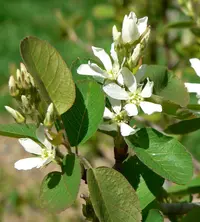
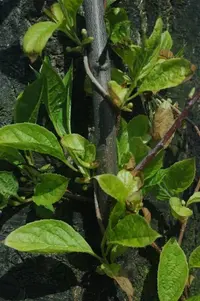
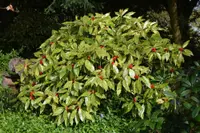
Utah serviceberry, Amelanchier utahensis, is a deciduous shrub or small tree native to dry, rocky slopes of the Intermountain West in the United States. It often forms multi-stemmed thickets with gray bark, small oval leaves, and a rounded, open habit.

In spring it produces clusters of white flowers, followed by small purple-black berries that attract birds and wildlife. Its slow to moderate growth and natural drought tolerance make it a good fit for low-water landscapes and restoration plantings.

The species prefers full sun to light shade, with well-drained, often sandy or rocky soils. Understanding how to care for Utah serviceberry starts with providing dry, lean conditions rather than rich, wet ground.


Main Plant Requirements

Care Difficulty

Easy Care

Light Preference

Full Sun

Water Requirements

Low Water

Temperature Preference

Cold Hardy

Hardiness Zone

4–8

Soil Texture

Sandy, Loamy, Rocky

Soil pH

Slightly acidic (6.5–7.0), Slightly alkaline (7.0–7.5)

Soil Drainage

Well-drained

Fertilization

Minimal (feed rarely)

Get Personalized Care Plan

Scan your plant to receive care tips personalized for your specific plant

Available on iOS and Android

How to Care for the Utah serviceberry

This shrub favors bright, open exposures typical of high-desert and foothill habitats.

  • Provide 6–8 hours of direct sun daily; morning sun with light afternoon shade reduces leaf scorch in hotter low-elevation sites.
  • In cooler or higher-elevation areas, Utah serviceberry handles full sun all day, improving flowering and fruit set.
  • Tolerates light partial shade (3–4 hours sun), but growth is looser and fruiting decreases; dense shade leads to weak, sparse branches over time.

This drought-adapted shrub prefers deep, infrequent watering once established.

  • In the first 1–2 years, water when the top 5–8 cm of soil are dry, soaking the root zone to 20–30 cm depth, then allow the soil to dry again.
  • Mature Amelanchier utahensis usually needs supplemental water only during extended drought; watch for dull, curling leaves as a sign to water.
  • Ensure fast-draining, gravelly or sandy soil; persistent soggy soil, yellowing leaves, and dieback indicate overwatering or poor drainage.

This species is well adapted to cold winters and hot, dry summers in its native range.

  • Active growth is strongest around 55–75°F (13–24°C), with flowering and leaf expansion in cool to mild spring conditions.
  • The shrub typically tolerates winter lows near -20°F (-29°C) once established, with dormant buds resistant to normal frosts and snow cover.
  • Summer heat up to about 95–100°F (35–38°C) is tolerated if roots are mulched and soil is not waterlogged; prolonged extreme heat with drought can reduce flowering the following year.

This species is adapted to arid climates, so humidity is rarely a concern for Utah serviceberry in typical outdoor conditions.

Amelanchier utahensis thrives in lean, well-drained mineral soils rather than rich, moisture-retentive substrates.

  • Use sandy or gravelly loam with a coarse structure that allows water to drain quickly after irrigation or rain.
  • Aim for slightly alkaline to neutral pH around 7.0–8.0, avoiding strongly acidic mixes that can limit nutrient availability for this shrub.
  • Blend native mineral soil with sharp sand and small gravel; keep compost content low to moderate to avoid excessive moisture retention.
  • Avoid heavy clay, compacted areas, or sites where water sits for more than a few hours, as these conditions promote root decline.

This shrub can be container-grown short term, but long-term performance is usually better in open ground.

  • Select a deep, heavy container that resists tipping, as the plant develops a woody, sometimes top-heavy framework over time.
  • Use a gritty mix such as 50–60% mineral components (sand, fine gravel, perlite) to prevent waterlogging in the confined root zone.
  • Raise the pot slightly on feet or bricks so drainage holes stay clear and excess water escapes rapidly after rain or watering.

This drought-adapted shrub needs minimal feeding, so focus on soil health rather than frequent fertilizer applications when caring for Utah serviceberry.

  • Use a light top-dressing of compost or well-rotted manure in early spring to support flowering and new growth.
  • If growth is weak, apply a balanced slow-release fertilizer (around 10-10-10) at half strength once in spring.
  • Avoid summer and fall feeding to prevent tender late growth that may be damaged by winter.
  • Do not fertilize during winter dormancy; monitor soil instead and correct only clear nutrient deficiencies.

Pruning Amelanchier utahensis is mainly structural and corrective, aimed at keeping the shrub or small tree healthy and open.

  • Carry out pruning in late winter to very early spring, before bud break.
  • Remove dead, diseased, or damaged wood first, cutting back to healthy tissue with clean, sharp bypass pruners or a pruning saw.
  • Thin out crowded interior branches to improve light and airflow, keeping a naturally upright, vase-like form.
  • Limit heading cuts; instead, favor selective thinning to preserve the plant’s natural shape and flowering potential.

This species is usually grown in the ground, so focus on careful transplanting of young plants rather than frequent repotting.

  • Shift container-grown plants when roots circle the pot, growth slows, or watering becomes difficult.
  • Transplant in late fall or very early spring, during dormancy, to reduce stress and improve establishment.
  • Move up only 1 pot size, using a well-drained, gritty mix that mimics its native, rocky soils.
  • Water thoroughly after planting, then keep soil lightly moist until new growth appears, shading temporarily in hot, exposed sites.

Amelanchier utahensis is most reliably propagated from seed, with vegetative methods used less often.

  • Collect ripe berries in late summer, clean seeds, and sow in fall outdoors or use cold stratification at 34–41°F for 3–4 months.
  • Use a well-drained, sandy seed mix and keep it evenly moist, not wet, until germination in spring.
  • Try semi-hardwood cuttings in midsummer under high humidity and bottom warmth, though success rates are moderate.
  • Label seed sources carefully to track local provenance, which helps maintain adaptation to regional conditions.

This shrub is naturally cold hardy in much of its range and typically needs little special winter care once established.

  • In colder regions or exposed sites, apply a 5–8 cm layer of coarse mulch around the root zone, keeping it off the trunk.
  • Newly planted or young shrubs benefit from windbreaks or burlap screens in very windy, freezing locations.
  • Container plants, if used, should be moved into an unheated, sheltered area where roots stay cold but not repeatedly freeze–thaw.

Care Tips

Wildlife netting strategy

If birds strip the berries before they ripen, use lightweight bird netting over a simple frame that holds the mesh off the branches so pollinators can access flowers in spring but developing fruit remains protected later in the season.

Multi-stem shaping

In the first 3–5 years, remove only a few low, crossing, or inward-growing shoots each winter to encourage a stable multi-stem form that resists wind and snow load in exposed, arid sites.

Drought-hardening routine

Once established, extend the interval between deep irrigations in late spring so roots are encouraged to grow deeper, which improves resilience during hot, dry summers when growing Utah serviceberry.

Rock mulch use

In dry climates, apply a 3–5 cm layer of coarse gravel or small rocks over the root zone instead of organic mulch to mimic its native habitat, reducing weed pressure while avoiding excess moisture around the crown.

Erosion control planting

On slopes or rocky banks, plant several shrubs in a staggered pattern and leave natural rock in place so the root systems can interlock with stones, improving slope stability and reducing soil erosion over time.

Common Pests and Diseases

Cedar quince rust

This disease causes bright orange, gelatinous spore masses on fruit, twigs, and sometimes leaves, often leading to distorted or aborted berries. Symptoms include swollen, blistered areas that ooze orange spores during wet weather.

Solution

Prune out and destroy infected twigs and fruit as soon as they are noticed, and maintain good air circulation by thinning crowded branches. Where the disease is persistent and nearby junipers serve as alternate hosts, consider removing heavily infected junipers and use a registered myclobutanil- or propiconazole-based fungicide as a preventive spray at bud break and during wet spring periods, following label directions.

Powdery mildew

This disease appears as a white to gray powdery coating on leaves, young shoots, and sometimes fruit, which can cause leaf curling and reduced vigor. Symptoms include patchy or uniform dust-like growth that is most noticeable on the upper leaf surfaces.

Solution

Improve airflow by selective pruning and avoid overhead watering in the evening so foliage dries quickly. In recurring cases, apply a sulfur or potassium bicarbonate fungicide at the first sign of infection, repeating as directed on the label, and remove heavily infected leaves to reduce spore levels.

Pear slug sawfly

These insects are small, dark, sluglike larvae that skeletonize leaves, leaving only the veins and causing a scorched appearance. This pest usually feeds on upper leaf surfaces in late spring or summer, sometimes defoliating sections of the plant.

Solution

Dislodge larvae with a strong stream of water or dust leaves with fine horticultural-grade diatomaceous earth when foliage is dry. For heavier infestations, use a targeted treatment with spinosad or insecticidal soap, making sure to coat the upper leaf surfaces and repeating as needed according to label instructions.

Aphids

These insects cluster on tender shoots and the undersides of leaves, sucking sap and causing curling, distortion, and sticky honeydew that can lead to sooty mold. This pest may attract ants that protect colonies and interfere with natural predators.

Solution

Spray affected shoots with a firm jet of water to knock aphids off and repeat every few days as needed, then prune out heavily infested tips. If populations remain high, apply insecticidal soap or a light horticultural oil, thoroughly covering new growth while avoiding treatment during high heat above 85°F.

Fire blight

This disease is a bacterial infection that causes sudden blackening and shriveling of blossoms and young shoots, often with characteristic shepherd’s-crook bending at the tips. Symptoms include water-soaked lesions on twigs and a scorched appearance of leaves that remain attached.

Solution

Prune out infected shoots at least 20–30 cm below visible symptoms, sterilizing pruning tools between each cut with 70% alcohol or a 10% bleach solution, and destroy removed material. Avoid high-nitrogen fertilization and unnecessary summer pruning that stimulates tender growth, and in areas with a history of fire blight consult local extension guidance on approved springtime copper or streptomycin sprays as part of Amelanchier utahensis care instructions.

Interesting Facts

Desert-edge specialist

This shrub occurs mainly in dry, rocky habitats of the interior western US, often on limestone or sandstone slopes where many other Rosaceae shrubs struggle to survive.

Key early nectar source

Its white spring flowers open very early in the season at mid to high elevations, providing one of the first reliable nectar and pollen sources for native bees and early-emerging pollinators.

Summer food for wildlife

The small dark berries ripen in early to mid summer and are heavily used by birds, small mammals, and bears, making it an important link between spring flowering and late-season fruiting shrubs.

Botan icon

Did you know?

Utah serviceberry often hybridizes naturally with other Amelanchier species in the Intermountain West, which can produce populations with overlapping traits and has made its taxonomy and identification a long-standing challenge for botanists.

FAQs about Utah serviceberry

The ripe dark purple berries are edible and often sweet with a mild almond-like note from the seeds. They can be eaten fresh or used in jams, jellies, and baking, similar to small blueberries.

Grow Healthy Plants with Botan Care

Keep your plants happy and healthy with plant identification, disease detection, and easy care guidance.

Botan plant care app — identify plants on mobile

Explore More Plants