Establish Mycorrhizal Partners
When planting or transplanting, lightly dust the root zone with a commercial ectomycorrhizal inoculant to improve nutrient uptake, drought tolerance, and long‑term root health.

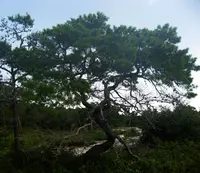
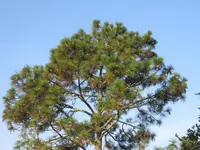
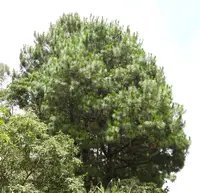
Sand pine, Pinus clausa, is a small to medium coniferous tree native to sandy coastal regions of the southeastern United States. It often grows in dry, nutrient-poor soils where many other trees struggle.
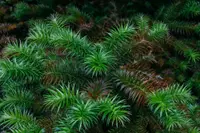
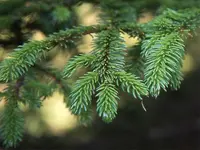
This pine typically has a narrow, somewhat irregular crown with short needles in bundles of two and small cones that may stay closed for long periods. It is adapted to wind, drought, and fire, which makes it quite resilient in harsh, well-drained sites.
For gardeners, caring for Sand Pine is easier in full sun, low to moderate moisture, and loose, sandy or sharply drained soil, but it does not suit wet or compacted ground.

Care Difficulty
Moderate Care

Light Preference
Full Sun

Water Requirements
Low Water

Temperature Preference
Warm Climate

Hardiness Zone
7–10

Soil Texture
Sandy, Loamy, Rocky

Soil pH
Strongly acidic (4.5–5.5), Acidic (5.5–6.5)

Soil Drainage
Well-drained

Fertilization
Minimal (feed rarely)
Scan your plant to receive care tips personalized for your specific plant
Available on iOS and Android
This species is a sun-loving pine adapted to bright, exposed sites in its native range.
This pine prefers dry, fast-draining conditions and is highly sensitive to prolonged soil saturation.
This species is adapted to warm-temperate climates with hot summers and mild to moderate winters.
This pine tolerates low humidity and generally does not need special humidity control outdoors or in unheated spaces.
Pinus clausa prefers very well-drained, sandy soil that mimics its native scrub habitat.
This species can be grown in containers for the short to medium term if drainage and stability are well managed.
This species is adapted to nutrient-poor, sandy soils, so Sand Pine needs only light, infrequent feeding in cultivation.
Pruning Pinus clausa is usually minimal and focuses on safety and structure rather than heavy shaping.
This pine is usually grown in the ground, so care focuses on correct transplanting rather than frequent repotting.
Propagation of Pinus clausa is typically done from seeds and is considered specialized rather than routine home practice.
Pinus clausa is reasonably cold hardy in its suitable zones and usually needs little special winter care once established.

Plant Health Check
Not sure what's wrong with your plant? Check your plant's health inside the app.
Many populations of this species bear serotinous cones that stay sealed by resin for years and open mainly after the heat of wildfire, releasing stored seeds into freshly cleared, sunlit habitat.
This pine is naturally restricted to Florida and a small area of adjacent Alabama, where it dominates dry, nutrient-poor sandhill and coastal scrub habitats that many other tree species cannot tolerate.
Two major geographic variants exist, often called the Ocala and Choctawhatchee forms, which differ in traits such as cone serotiny and habitat, reflecting adaptation to different fire and sand-dune environments and informing modern Pinus clausa care research.

Some dense, scrubby stands of this species form such uniform, even-aged thickets after fire that they are described as pine barrens, creating structurally unique habitat that supports several rare and endemic Florida animals, including the Florida scrub-jay.
Growth is moderate, often 30–60 cm per year in suitable sandy, well‑drained sites. In natural conditions it may reach 8–15 m tall, sometimes slightly more, with a relatively narrow, irregular crown compared with many pines.
Keep your plants happy and healthy with plant identification, disease detection, and easy care guidance.