Wind exposure planning
Site young trees where nearby structures or larger evergreens break strong prevailing winds, since reducing wind stress helps prevent winter desiccation and crooked leaders when growing Taiwan Fir.


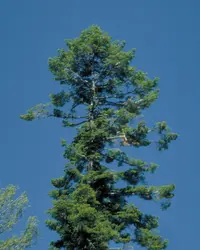
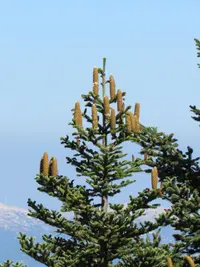
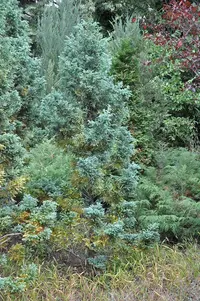
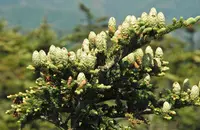
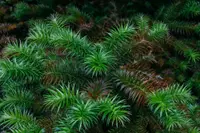
Taiwan fir, Abies kawakamii, is a slow-growing, high-mountain conifer native to Taiwan. It forms a dense, pyramidal tree with short, dark green needles and upright cones.
In nature it grows on cool, misty ridges, where air is clean and temperatures are moderate. This background makes it sensitive to heat, pollution, and very dry conditions.
Gardeners value it for its compact, tidy form and refined foliage, but it is considered challenging outside cool-summer climates. It prefers cool, moist, well-drained, slightly acidic soil and steady moisture. Understanding this mountain origin helps guide how to care for Taiwan Fir in cultivation.

Care Difficulty
Hard Care

Light Preference
Full Sun

Water Requirements
Moderate Water

Temperature Preference
Cool Climate

Hardiness Zone
7–9

Soil Texture
Loamy, Sandy, Rocky

Soil pH
Strongly acidic (4.5–5.5), Acidic (5.5–6.5)

Soil Drainage
Well-drained

Fertilization
Minimal (feed rarely)
Scan your plant to receive care tips personalized for your specific plant
Available on iOS and Android
This high-elevation conifer prefers cool, bright conditions with protection from harsh lowland sun.
Abies kawakamii needs consistently moist but not saturated soil, especially while establishing outdoors.
This species is adapted to cool, high-mountain climates and struggles in sustained heat.
This high-mountain conifer prefers cool, moist air but adapts to typical outdoor humidity in temperate regions.
This species needs cool, moist, sharply drained soil that never stays waterlogged.
This species can be grown in containers when young, but long-term culture is challenging due to its eventual size and root needs.
This high-elevation conifer grows slowly and usually needs only light feeding in cultivation.
Abies kawakamii needs minimal pruning, mainly to maintain health and a clean central leader.
This fir is usually grown in the ground; container culture is temporary and mainly for young plants.
Abies kawakamii is slow-growing and propagation is specialized, mainly from seed under controlled conditions.
This high-mountain fir prefers cool conditions and tolerates significant cold but dislikes drying wind and freeze–thaw stress.

Plant Health Check
Not sure what's wrong with your plant? Check your plant's health inside the app.
This fir is naturally restricted to high-elevation cloud forests in Taiwan, typically growing near or at the tree line on steep, cool, and very humid mountain slopes.
In its native habitat, this species relies heavily on frequent fog and low clouds, with its short, dense needles efficiently intercepting and condensing moisture from the air.
As a Taiwan-only endemic conifer, it represents a distinct genetic lineage that evolved in long-term isolation, making its remaining wild populations important for conservation genetics research.

Fossil and biogeographic evidence suggest that Taiwan fir and its close relatives in East Asia are descendants of ancient fir lineages that once occupied much broader, cooler ranges, making this species a living reminder of past climatic conditions in the region.
This species is slow-growing, often adding only 10–20 cm in height per year under good conditions. Growth is even slower at low elevations or in warm climates, so long-term planning and patience are important when growing Taiwan Fir.
Keep your plants happy and healthy with plant identification, disease detection, and easy care guidance.