Shelter From Wind
Site young trees where they are protected from prevailing winds or install temporary windbreak netting for the first 3–5 years to reduce desiccation and root rock that can distort the leader.

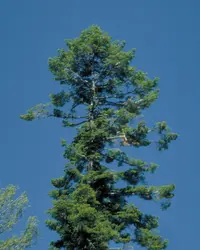
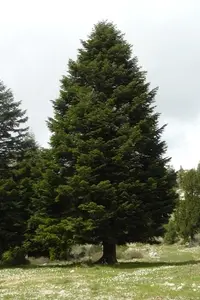
Grand fir, Abies grandis, is a tall, evergreen conifer known for its dense, flat needles and strong, resinous fragrance. It naturally forms a straight trunk with a narrow, pyramidal crown when young, widening with age.
This species is native to the Pacific Northwest of North America, where it grows in cool, moist forests from lowlands to mid-mountain slopes. It is relatively fast-growing but can become very large, which limits its use to spacious gardens or as a temporary screening tree.
It prefers cool climates, consistent moisture, and deep, well-drained soil, which influences how to care for Grand Fir in cultivated landscapes.

Care Difficulty
Moderate Care

Light Preference
Full Sun

Water Requirements
Regular Water

Temperature Preference
Cold Hardy

Hardiness Zone
5–7

Soil Texture
Loamy, Silty, Organic-rich

Soil pH
Strongly acidic (4.5–5.5), Acidic (5.5–6.5)

Soil Drainage
Moist but well-drained

Fertilization
Minimal (feed rarely)
Scan your plant to receive care tips personalized for your specific plant
Available on iOS and Android
This species is a large conifer that prefers cool, bright outdoor light in temperate climates.
This conifer prefers consistently moist, cool soil that never stays waterlogged.
This species thrives in cool to mild climates with moderate seasonal variation.
This species prefers cool, moderately moist air but usually adapts to typical outdoor humidity in its range.
Abies grandis needs deep, moist, well-aerated soil to develop a stable root system and sustained growth.
This species is only suitable for short-term container growing when young, due to its large mature size and deep root system.
Established Abies grandis in the ground usually needs little fertilizer if soil is reasonably fertile.
Pruning Abies grandis is usually minimal and focuses on safety and tree health rather than shaping.
Abies grandis is rarely kept long term in containers, so management focuses on careful outdoor transplanting.
Propagation of Abies grandis is mainly done from seed and is moderately slow for home growers.
Abies grandis is cold hardy in suitable climates and usually needs minimal winter care once established.

Plant Health Check
Not sure what's wrong with your plant? Check your plant's health inside the app.
Grand fir naturally occurs as two main ecotypes: a moist, low-elevation coastal form and a more cold-tolerant interior form, each adapted to different temperature and moisture regimes in western North America.
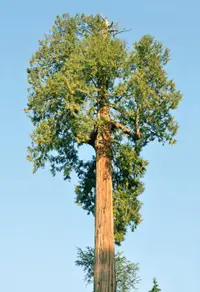
Although it can eventually reach canopy height over 70 m, young grand fir is strongly shade-tolerant and can persist for many years in low light under older forests before rapidly accelerating growth when gaps open.
Crushed needles of grand fir often release a noticeable citrus-like or resinous orange scent, a result of its specific blend of volatile terpenes in the leaf tissues.
Individual grand fir trees in natural forests have been recorded at over 70 m tall, making this species one of the tallest true firs in the world and placing it among the tallest tree species in North America.
Growth is relatively quick for a conifer, often 30–60 cm per year in good conditions and sometimes more in very favorable climates. In poorer sites or with root disturbance, annual growth can slow significantly.
Keep your plants happy and healthy with plant identification, disease detection, and easy care guidance.