Cilician Fir Care (Abies cilicica)

Also known as: Syrian fir, Taurus fir
Cilician Fir

About Cilician Fir

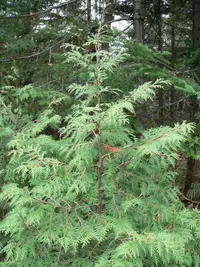
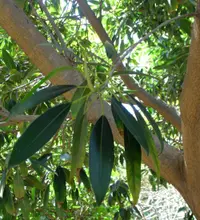
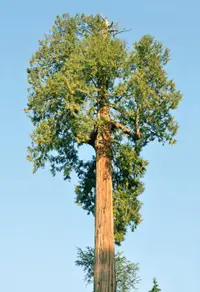
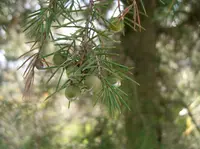
Cilician fir, Abies cilicica, is a medium to large evergreen conifer known for its straight trunk, horizontal branching, and soft, flattened needles with a fresh, resinous scent. It forms a tall, pyramidal crown and carries upright cylindrical cones high in the canopy.

This species is native to mountainous regions of Turkey and Lebanon, where it grows in cool, moist forests at higher elevations. It prefers full sun, well-drained, slightly acidic soil, and consistent moisture, which influences how to care for Cilician Fir in gardens or larger landscapes.

Main Plant Requirements

Care Difficulty

Moderate Care

Light Preference

Full Sun

Water Requirements

Moderate Water

Temperature Preference

Cold Hardy

Hardiness Zone

5–7

Soil Texture

Loamy, Sandy, Clay

Soil pH

Acidic (5.5–6.5), Slightly acidic (6.5–7.0)

Soil Drainage

Moist but well-drained

Fertilization

Minimal (feed rarely)

Get Personalized Care Plan

Scan your plant to receive care tips personalized for your specific plant

Available on iOS and Android

How to Care for the Cilician Fir

This species prefers bright, open conditions typical of mountain conifers.

  • Provide 6–8 hours of full sun daily; light morning sun with some protection from harsh late-afternoon summer sun suits young Cilician Fir best.
  • Allow light partial shade, especially in hotter climates, but avoid dense shade where growth becomes sparse and lower branches thin out.
  • In summer, monitor for needle scorch on exposed, drought-stressed trees; in winter, full sun is beneficial, but strong reflected sun on frozen soil can increase desiccation risk.

Abies cilicica prefers evenly moist, cool soil but dislikes waterlogged conditions.

  • Water deeply when the top 5–8 cm of soil feels dry, focusing on the root zone rather than light surface sprinkling to encourage deep rooting.
  • Ensure well-drained, slightly acidic soil; avoid standing water, which can cause root rot, yellowing needles, and dieback of lower branches.
  • Increase attention to soil moisture during the first 2–3 years and in summer heat; drooping, dull needles suggest drought stress, while soft, blackened roots indicate overwatering.

This conifer is adapted to cool to mildly warm climates with distinct seasons.

  • Optimal active growth occurs around 50–70°F (10–21°C), with best performance in sites that avoid prolonged, extreme heat combined with drought.
  • Mature trees tolerate winter cold down to about 0 to -5°F (-18 to -21°C) when well-established, but young plants benefit from some protection from severe, drying winter winds.
  • In hotter regions, brief periods up to 85–90°F (29–32°C) are tolerated if soil moisture is maintained; prolonged heat with dry soil can lead to stress and needle drop.

This species tolerates a wide humidity range and usually does not need special humidity management outdoors.

Abies cilicica prefers cool, moist, well-structured mineral soil with reliable drainage.

  • Use a deep, loamy soil with a mix of mineral particles and moderate organic matter to support stable moisture without waterlogging.
  • Aim for slightly acidic to neutral pH, around 5.5–7.0, avoiding highly alkaline or compacted calcareous sites.
  • Improve drainage and aeration by incorporating coarse sand, fine gravel, or pine bark into heavier native soil before planting.
  • Avoid shallow, compacted, or periodically flooded soils, which restrict root development and increase root rot risk.

This species is only suitable for large, long-term outdoor containers when very young or dwarf forms are used.

  • Choose a heavy, wide-based container that resists tipping as the tree becomes taller and more wind-exposed.
  • Use an extra-deep pot to accommodate the developing taproot and prevent circling roots near the surface.
  • Select a thick-walled, frost-resistant material that buffers root temperatures and slows rapid moisture loss in winter winds.

This species grows well in average garden soil and benefits only from light, targeted feeding.

  • Apply a balanced slow-release granular fertilizer (around 10-10-10) once in early spring during active growth.
  • Use a modest dose, at about half the label rate, scattered over the root zone and watered in well.
  • Supplement with a thin layer of compost over the root area every 1–2 years to support soil life.
  • Avoid feeding Cilician Fir in late summer or winter to prevent soft growth that may be damaged by cold.

Abies cilicica needs minimal pruning, mainly to keep it healthy and structurally sound.

  • Carry out any pruning in late winter or very early spring before new growth starts.
  • Remove dead, diseased, or storm-damaged branches with clean, sharp bypass pruners or a pruning saw.
  • Thin congested interior shoots lightly to improve airflow without cutting into the main framework.
  • Avoid heavy crown reduction; limit cuts to minor shaping so natural form and leader dominance are maintained.

This fir is usually grown in the ground, so focus on careful transplanting rather than frequent repotting.

  • Transplant young Abies cilicica in late fall or early spring when growth is slow and soil is workable.
  • Look for signs such as roots circling the pot, limited new growth, or the plant drying out quickly before moving it.
  • Shift container plants into only 1 size larger pot, keeping the root ball intact to reduce disturbance.
  • Water thoroughly before and after transplanting, then mulch the root zone to limit moisture loss and temperature swings.

Propagation of Abies cilicica is possible but slow and usually done from seed by specialists or nurseries.

  • Collect mature cones in late summer to early fall and extract seeds once scales open.
  • Provide cold stratification at about 34–41°F for 6–8 weeks by mixing seeds with moist sand in refrigeration.
  • Sow in a free-draining, slightly acidic mix, keeping it evenly moist and in cool, bright, indirect light.
  • Protect young seedlings from drought, strong sun, and frost during the first 1–2 years to improve survival.

Established Abies cilicica is cold hardy in suitable climates and usually needs little special winter care.

  • Apply a 5–8 cm mulch layer over the root zone in late fall, keeping it away from direct trunk contact.
  • Shelter young trees from drying winter winds with a temporary windbreak or burlap screen.
  • For container-grown plants, move pots to a sheltered, unheated area where roots are insulated from freeze–thaw cycles.

Care Tips

Wind-hardening seedlings

If raising young plants, expose them gradually to unfiltered outdoor wind over 2–3 weeks to develop sturdier stems and reduce the risk of wind rock once planted out.


Stake against wind rock

In open or gusty sites, install 2–3 low stakes with a broad, flexible tie around the lower trunk to prevent the root ball from rocking while still allowing slight movement that encourages strong root anchorage.

Mulch for root stability

Apply a 5–8 cm ring of coarse bark mulch over the root zone, keeping it a few cm away from the trunk, to moderate soil temperature, preserve moisture, and support fine root growth important for long-term stability.

Snow and ice management

In regions with heavy wet snow, gently shake lower branches after storms and, if needed, support long lateral branches with discreet props to prevent splitting or permanent deformation.

Monitor leader dominance

Check the central leader each spring and, if it is damaged or has multiple competing shoots, select the strongest upright shoot, stake it lightly, and remove rivals to maintain a single, straight trunk while growing Cilician Fir.

Common Pests and Diseases

Bark beetles

This pest bores into the trunk and larger branches, causing resin bleeding, weakening of the crown, and eventual dieback of affected sections.

Solution

Increase tree vigor by avoiding drought stress and mechanical injury, and remove and destroy heavily infested branches or entire declining trees to reduce beetle breeding sites; in high‑risk forestry or landscape settings, consult a local arborist about timing preventive trunk sprays with appropriate insecticides during beetle flight periods.

Adelgids

These insects are small sap-feeding relatives of aphids that form cottony white masses on needles and shoots, leading to needle yellowing and reduced growth.

Solution

Prune out and destroy heavily infested twigs, then spray remaining foliage and branches with a horticultural oil during the dormant season or early spring to smother overwintering stages, repeating if needed according to label directions.

Needle cast

This disease causes brown or reddish needles, often starting on lower branches, followed by premature needle drop and thinning of the crown.

Solution

Improve air circulation by avoiding dense planting and removing lower branches that trap moisture, promptly prune out and dispose of infected material, and if the tree has a history of needle cast, apply a labeled fungicide in spring as new needles emerge and again as directed during wet periods.

Rust diseases

This disease group produces yellow to orange spots or pustules on needles and sometimes twig swellings, which can lead to needle drop and branch weakening.

Solution

Remove and dispose of infected needles and small galls, reduce overhead watering that keeps foliage wet, and where rust is recurrent, use a registered fungicide timed to early spring infection periods, following local extension or arborist guidance as part of broader Abies cilicica care instructions.

Interesting Facts

Eastern Mediterranean relic

This fir is native to a limited area in the Eastern Mediterranean mountains of Turkey, Syria, and Lebanon, where it forms cool, high‑altitude conifer forests on limestone slopes.

Heat-tolerant fir

Compared with many other true firs, it tolerates relatively warm and dry summer conditions, which is why Abies cilicica care is of interest for breeding more climate-resilient conifer varieties.

Two regional subspecies

Botanists recognize at least two subspecies that differ slightly in cone and needle traits and occupy different parts of its range, reflecting long-term adaptation to local mountain climates.

Botan icon

Did you know?

In parts of its native range, especially Lebanon, it often grows together with Lebanon cedar (Cedrus libani), forming mixed conifer forests that are considered relicts of ancient montane ecosystems once more widespread around the Eastern Mediterranean.

FAQs about Cilician Fir

This species grows slowly to moderately, often adding about 20–30 cm in height per year in good conditions. Growth is slow in youth, then accelerates slightly once established and rooted deeply in cool, moist, well-drained soil.

Grow Healthy Plants with Botan Care

Keep your plants happy and healthy with plant identification, disease detection, and easy care guidance.


Botan plant care app — identify plants on mobile

Explore More Plants