Ficus binnendijkii Care

Ficus binnendijkii

About Ficus binnendijkii

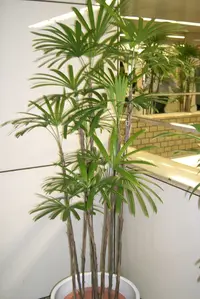
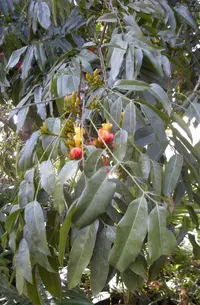
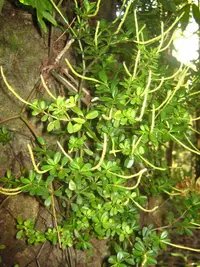
Ficus binnendijkii is an evergreen tree species in the fig family, often grown indoors as a decorative foliage plant. It is sometimes sold under names like narrow-leaf fig or long-leaf fig.

The plant has slender, elongated leaves and a generally upright, arching habit that can be trained as a small indoor tree or kept pruned as a bushy specimen. In nature, it occurs in parts of Southeast Asia, where it grows in warm, humid conditions.

It is moderately demanding, as it dislikes sudden changes in light, temperature, or watering, but stays stable once settled. To care for Ficus binnendijkii, provide bright filtered light, evenly moist but not waterlogged soil, and good drainage.

Main Plant Requirements

Care Difficulty

Moderate Care

Light Preference

Bright Indirect Light

Water Requirements

Moderate Water

Temperature Preference

Tropical / Frost Sensitive

Hardiness Zone

10–12

Soil Texture

Loamy, Sandy, Organic-rich

Soil pH

Acidic (5.5–6.5), Slightly acidic (6.5–7.0)

Soil Drainage

Moist but well-drained

Fertilization

Light (every 4–6 weeks)

Get Personalized Care Plan

Scan your plant to receive care tips personalized for your specific plant

Available on iOS and Android

How to Care for the Ficus binnendijkii

This species prefers bright, indirect light with some gentle direct sun.

  • Provide 6–8 hours of bright, filtered light daily; east or north-facing exposure suits Ficus binnendijkii well.
  • Allow soft morning sun or dappled light; avoid harsh midday/afternoon sun that can scorch narrow leaves and cause brown edges.
  • In low light it becomes leggy and drops leaves; move closer to a bright window or use sheer curtains to increase light, especially in winter when days are shorter.

Watering should keep the root zone evenly moist but never saturated.

  • Water when the top 2–4 cm of soil feels dry, allowing thorough soaking and full drainage from the pot or bed.
  • Reduce watering frequency in winter when growth slows, but do not let the entire root ball dry hard or leaves may curl and drop.
  • Yellowing, soft leaves and a sour smell indicate overwatering and poor drainage; crisp, browning leaf tips and very light soil indicate underwatering in Ficus binnendijkii.

Stable, warm conditions support consistent growth and leaf retention.

  • Aim for 65–80°F (18–27°C) as the main growing range, where photosynthesis and root activity stay efficient.
  • Protect the plant from temperatures below 55°F (13°C); brief drops near this level can cause leaf drop, and frost will kill young shoots.
  • Tolerates short heat spells up to 90°F (32°C) if humidity and watering are adequate; avoid placing it near hot, dry drafts from heating or air-conditioning vents.

This species benefits from moderately humid air to keep foliage healthy and reduce leaf drop.

  • Aim for 40–60% humidity, as very dry indoor air can cause leaf edges to crisp and tips to brown.
  • Tolerates brief dips to 30–35% humidity, but prolonged dryness increases leaf shed and vulnerability to spider mites.
  • Increase humidity with a nearby humidifier or grouped plants rather than misting, which has only short-lived effects.

This species prefers a loose, aerated, slightly acidic to neutral mix that drains quickly but retains some moisture.

  • Use a peat- or coco-based potting mix amended with 20–30% perlite and 10–20% fine bark for structure and air spaces.
  • Target pH around 6.0–7.0; avoid strongly alkaline mixes that can reduce nutrient availability and cause chlorosis.
  • Ensure fast drainage by avoiding heavy garden soil or pure compost, which compact and hold water around the roots.
  • For Ficus binnendijkii, keep the mix evenly moist but never soggy, and discard any water that collects in saucers.

This species is well suited to container growing when the pot supports its upright, potentially tall habit.

  • Choose a wide, heavy container to counterbalance the tall, narrow crown and reduce the risk of tipping in wind or when bumped.
  • Select a pot material with moderate moisture retention, such as thick plastic or glazed clay, to buffer against rapid surface drying.
  • Use a container slightly deeper than typical foliage pots to give the vertical root system stable, downward space without becoming waterlogged.

Steady, moderate feeding supports dense foliage and controlled growth in Ficus binnendijkii.

  • Use a balanced liquid fertilizer (for example 10-10-10 or 20-20-20) at 1/2 strength for container plants.
  • Feed every 4–6 weeks during the active growing season, spring through early fall.
  • Pause or reduce feeding to 1 light application in late winter if growth is very slow.
  • For low-maintenance care, apply a slow-release fertilizer or a thin layer of compost once in spring.

Thoughtful pruning keeps Ficus binnendijkii compact, balanced, and healthy indoors or in warm climates outdoors.

  • Plan main structural cuts in late winter or early spring, before vigorous new growth starts.
  • Remove dead, diseased, crossing, or inward-growing branches to improve light penetration and airflow.
  • Shorten overly long shoots to maintain desired height and a narrow, tree-like form.
  • Use clean, sharp bypass pruners; make angled cuts just above a leaf node to reduce dieback.

Container-grown plants benefit from periodic repotting to maintain root health and stable growth.

  • Look for roots circling the pot, crowded drainage holes, or declining growth as signs a larger container is needed.
  • Plan repotting in spring every 2–3 years, moving up only 1 pot size with a well-draining, peat-free mix.
  • Loosen circling roots gently, trim broken ones, and keep the root ball slightly elevated above the new soil level.
  • Water thoroughly after potting, then keep in bright, indirect light and stable warmth for 1–2 weeks to limit stress.

Stem cuttings are the most practical method for home propagation of Ficus binnendijkii.

  • Take 8–12 cm semi-hardwood tip cuttings in late spring or early summer from healthy, pest-free shoots.
  • Remove lower leaves, leaving 2–3 at the tip; optionally dip the base in rooting hormone to improve success.
  • Insert cuttings into a sterile, moist mix of perlite and peat-free compost, and keep at 70–80°F with high humidity.
  • Place in bright, indirect light and maintain lightly moist media until firm resistance indicates rooting, usually in several weeks.

This species is frost sensitive and needs warm, stable conditions during winter in most climates.

  • Move container plants indoors before temperatures drop near 50°F, placing them in bright, indirect light.
  • Maintain indoor temperatures around 60–75°F and avoid cold drafts or sudden temperature swings.
  • Water less often but do not allow the root ball to dry out completely in heated rooms.
  • In mild climates, mulch the root zone lightly to buffer short cool spells, while avoiding waterlogged soil.

Care Tips

Rotate and rebalance

Rotate the container 90° every 2–3 weeks and lightly thin or tip-prune the heaviest side so the canopy stays upright and the trunk develops even, sturdy wood.


Progressive root management

Every 2–3 years, slip the plant from its pot, loosen the outer 2–3 cm of roots with a hand fork, trim circling roots, and repot at the same depth to prevent root binding and sudden stress leaf-drop.

Trunk strengthening

Place the plant where it experiences very gentle, regular air movement and occasionally flex the main stems slightly by hand to encourage thicker, more self-supporting wood without relying on permanent staking.

Clean foliage protocol

Wipe leaves every 4–6 weeks with a damp, soft cloth and support each leaf from below, which maintains efficient photosynthesis and makes early detection of scale or mites easier when caring for Ficus binnendijkii.

Seasonal light adjustment

In late autumn, move the plant closer to the brightest window and reduce major shaping cuts until spring, as this species responds best to structural pruning when light levels and growth rate increase.

Common Pests and Diseases

Scale insects

This pest feeds on sap and appears as small, rounded bumps on stems and leaf undersides, often causing yellowing and sticky honeydew on foliage.

Solution

Remove heavily infested leaves and gently scrape or wipe scales off with a cotton pad dipped in 70% isopropyl alcohol, then wash the plant with lukewarm soapy water and improve light and air circulation; repeat the cleaning weekly until no new scales appear, and consider a systemic insecticide for severe, persistent infestations.

Spider mites

These insects prefer the narrow leaves and dry indoor air, causing fine webbing, stippled or faded foliage, and gradual leaf drop.

Solution

Shower the plant thoroughly with lukewarm water, then wipe leaves to remove mites and webs, raise humidity to 50–60%, and use repeated applications of insecticidal soap or neem oil on both leaf surfaces every 5–7 days until new growth appears clean.

Mealybugs

This pest shows as white, cottony clusters in leaf axils and along stems, sucking sap and leading to distorted growth and sticky residue on leaves and nearby surfaces.

Solution

Isolate the plant, dab visible mealybugs with a cotton swab dipped in 70% isopropyl alcohol, then wash foliage with mild soapy water and inspect weekly, treating any new patches promptly; for larger plants, a systemic insecticide can support long-term Ficus binnendijkii care.

Fungal leaf spot

This disease produces small brown or dark purple spots on the long, narrow leaves, sometimes with yellow halos and premature leaf drop, especially in still, humid air.

Solution

Prune and discard affected leaves, increase airflow around the plant, avoid wetting the foliage when watering, and allow the top layer of soil to dry slightly; if new spots continue to appear, apply a labeled copper or chlorothalonil fungicide according to directions.

Sooty mold

This disease grows on the honeydew excreted by sap-feeding insects, forming a black, powdery coating on leaves that reduces light reaching the foliage.

Solution

Treat and eliminate the underlying insects such as scale or mealybugs, then gently wipe leaves with a damp cloth or wash with lukewarm soapy water; improve airflow and light so new leaves develop clean and photosynthesis is not reduced.

Interesting Facts

Willow-like leaf shape

This species has long, narrow, drooping leaves that resemble a willow, which is unusual among ornamental figs and helps distinguish it from the broader-leaved Ficus benjamina commonly sold in garden centers.

Natural riverbank habitat

In the wild, it is associated with moist, lowland habitats such as riverbanks and wet forest margins in Southeast Asia, which explains its preference for steady moisture and bright light when cultivated.

Narrow crown architecture

Compared with many other fig trees, this species naturally forms a tall, relatively narrow crown, which has made it popular for use as a vertical accent tree in indoor lobbies and constrained urban spaces.

FAQs about Ficus binnendijkii

Growth is moderate rather than rapid. Indoors, expect roughly 15–30 cm of new height per year if light, nutrition, and pot size are suitable. Cooler temperatures, low light, or chronic underwatering slow extension growth noticeably.

Grow Healthy Plants with Botan Care

Keep your plants happy and healthy with plant identification, disease detection, and easy care guidance.

Botan plant care app — identify plants on mobile

Explore More Plants