balsam spurge Care (Euphorbia balsamifera)

balsam spurge

About balsam spurge

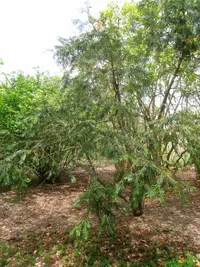
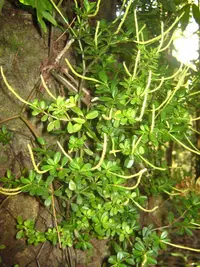
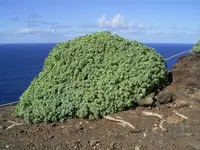
Balsam spurge, Euphorbia balsamifera, is a shrubby succulent from arid coastal regions of northwest Africa and nearby Atlantic islands. It forms many thick, branching stems with small, sparse leaves. Mature plants can look like compact, rounded shrubs with a gray-green, sculptural appearance. New growth often carries clusters of small yellowish flowers. This species stores water in its stems, which makes it quite drought tolerant and forgiving of irregular watering. It prefers bright light, good drainage, and low to moderate moisture. For those learning how to care for balsam spurge, the main priorities are avoiding overwatering and providing a gritty, fast-draining soil mix.

Main Plant Requirements

Care Difficulty

Easy Care

Light Preference

Full Sun

Water Requirements

Low Water

Temperature Preference

Tropical / Frost Sensitive

Hardiness Zone

10–12

Soil Texture

Sandy, Loamy, Rocky

Soil pH

Slightly acidic (6.5–7.0), Slightly alkaline (7.0–7.5)

Soil Drainage

Well-drained

Fertilization

Minimal (feed rarely)

Get Personalized Care Plan

Scan your plant to receive care tips personalized for your specific plant

Available on iOS and Android

How to Care for the balsam spurge

This drought-tolerant shrub thrives in bright, open sites with strong sun exposure.

  • Provide 6–10 hours of direct sun daily; full sun is ideal, especially in coastal or arid climates.
  • Tolerates light afternoon shade, but prolonged shade causes leggy growth and sparse branching in balsam spurge.
  • In hot inland summers, protect from reflected heat and very harsh late-afternoon sun to reduce scorch on new growth.

This species is a succulent shrub that prefers infrequent, deep watering in fast-draining soil.

  • Water only when the top 3–5 cm of soil is completely dry, then soak and let all excess drain away.
  • In spring and summer, expect more frequent watering during active growth; reduce sharply in fall and keep almost dry in winter.
  • Signs of overwatering include yellowing, soft stems, and root or stem rot; slight leaf shrivel and slower growth indicate it is time to water Euphorbia balsamifera.

This plant prefers warm, dry conditions with excellent tolerance of heat but poor tolerance of frost.

  • Ideal growing temperatures are 65–85°F (18–29°C), with stable warmth promoting compact, healthy branching.
  • Short dips to about 40°F (4–5°C) may be tolerated if dry, but repeated exposure below this range can damage tissue.
  • Avoid frost entirely; prolonged exposure near or below 32°F (0°C) can kill stems, while extreme heat above 100°F (38°C) requires good airflow and dry soil.

This drought-adapted succulent tolerates dry indoor air, so humidity is rarely a limiting factor for balsam spurge.

  • Performs well at 30–50% relative humidity, similar to many heated or air‑conditioned homes.
  • Low humidity seldom harms the plant; issues usually come from excess moisture around roots instead.
  • If new growth looks soft or rots at the base, reduce ambient humidity and increase air movement rather than trying to raise humidity.

This species needs a very fast-draining, mineral-rich substrate to prevent root and stem rot.

  • Use a gritty mix such as 50–60% cactus or succulent mix combined with coarse sand, pumice, or small gravel for structure.
  • Aim for a slightly alkaline to neutral pH around 7.0–7.8, which suits Euphorbia balsamifera in cultivation.
  • Ensure the mix feels loose and crumbly, not compact; extra perlite or pumice improves aeration and drainage in heavy commercial mixes.
  • Avoid peat-heavy, water-retentive, or fine-textured soils that stay wet for more than 1–2 days after watering.

This species is well suited to container growing due to its drought tolerance and compact, shrubby habit.

  • Choose a wide, heavy container that prevents tipping as the plant develops thick, leaning branches.
  • Select clay or unglazed ceramic pots to promote faster moisture loss and reduce the risk of root rot in wet climates.
  • Elevate the pot on feet or stones so drainage holes stay clear and excess water escapes quickly after irrigation.

This drought-adapted shrub needs only light feeding, so focus on modest support rather than heavy fertilization when caring for balsam spurge.

  • Use a diluted balanced liquid fertilizer (around 10-10-10 or 20-20-20 at 1/4 strength) during active growth in spring–summer.
  • Apply every 6–8 weeks at most, only when the plant is producing new shoots and leaves.
  • Skip feeding in fall–winter, or give a single light dose of slow-release granules at the start of spring.
  • Avoid rich compost or frequent feeding, which encourages weak, overly lush growth and increases rot risk in containers.

Pruning Euphorbia balsamifera is mainly about keeping a stable structure and removing problem growth.

  • Carry out pruning in late winter or early spring before vigorous new growth starts.
  • Remove dead, damaged, crossing, or inward-growing stems to open the canopy and improve airflow.
  • Shorten overly long or leggy branches to maintain the desired size and rounded form.
  • Use clean, sharp bypass pruners and avoid cutting into very thick, old wood unless necessary.

This species is often grown in the ground, but container plants or young specimens benefit from occasional transplanting.

  • Look for roots circling the pot drainage holes, very fast drying soil, or stalled growth as signals to move Euphorbia balsamifera.
  • Plan repotting or transplanting in late spring, once nights are consistently warm and growth is active.
  • Shift to a container only 2–5 cm wider, using a sharply draining mix with added mineral grit or coarse sand.
  • Handle the root ball gently, keep roots at the same depth, water lightly once, then let the soil partly dry to limit stress and rot.

New plants are most often produced from stem cuttings rather than seed for this species.

  • Take semi-woody stem cuttings in late spring–summer, choosing healthy, pest-free shoots.
  • Allow cut surfaces to dry and callus for 1–3 days, as the latex sap needs time to seal.
  • Insert cuttings into a free-draining, gritty medium and keep slightly warm (70–80°F) with bright, indirect light.
  • Water sparingly during rooting, just enough to prevent shriveling while avoiding persistent moisture.

Winter care depends strongly on climate, as this succulent shrub is sensitive to prolonged cold and frost.

  • In mild climates above about 30–35°F, plants in the ground usually need only well-drained soil and no standing water.
  • Mulch lightly around the root zone with gravel or coarse bark, keeping material off the stems to prevent rot.
  • In colder areas, grow Euphorbia balsamifera in containers and move indoors or to a frost-free greenhouse before freezing nights.

Care Tips

Rotate For Form

Quarter-turn the pot every 2–3 weeks so stems receive even light, which keeps the shrub compact and prevents it from leaning heavily to one side.

Stabilize Heavy Stems

As older branches become top-heavy, wedge angular stones or use low, discreet wire hoops at the base to brace them and avoid snapping during handling or outdoor gusts.

Gradual Outdoor Transition

If moving the plant outdoors for summer, increase light and airflow exposure gradually over 10–14 days to prevent sunscald on stems and sudden leaf drop from shock.

Safe Sap Management

When any stem breaks or is pruned, immediately blot the latex sap with a dry paper towel and rinse tools under running water to reduce sap flow and avoid skin irritation.

Long-Term Pot Strategy

Use a wide, shallow, heavy container with ample drainage holes so the broad, woody root system can spread, reducing the risk of the plant becoming top-heavy and tipping over while growing balsam spurge.

Common Pests and Diseases

Mealybugs

This pest commonly settles in leaf axils and along stems, sucking sap and weakening the plant, especially in dry indoor or greenhouse conditions. Symptoms include white cottony clusters, sticky honeydew, and distorted new growth.

Solution

Isolate the plant, then dab visible insects with cotton swabs dipped in 70% isopropyl alcohol and gently wipe affected areas. Improve light and airflow, reduce excess nitrogen fertilization, and repeat alcohol or insecticidal soap treatments every 7–10 days until no new mealybugs appear; this is a key step in practical Euphorbia balsamifera care instructions.

Scale insects

These insects attach firmly to the woody stems and branches, appearing as small brown or gray bumps that excrete honeydew and can cause gradual yellowing and decline. This pest is frequent on older, multi-stemmed plants grown in warm, dry sites.

Solution

Scrape or gently pry off scales with a soft brush or fingernail, then wash stems with a mild insecticidal soap solution. Monitor regularly and repeat targeted soap or horticultural oil sprays, making sure to cover stems thoroughly while avoiding runoff into the soil to protect the roots.

Spider mites

These insects thrive on euphorbias kept in hot, very dry air, causing fine stippling on leaves, dull coloration, and delicate webbing between stems and branch tips. This pest is more likely in indoor or greenhouse conditions with low humidity and stagnant air.

Solution

Rinse the plant thoroughly with lukewarm water, focusing on stem joints and undersides of leaves, then allow it to dry in bright, indirect light. Increase airflow, avoid overly dry heated air, and use repeated applications of insecticidal soap or a miticidal oil, taking care not to spray during strong sun to prevent tissue burn.

Powdery mildew

This disease can develop on foliage and tender new growth when day–night temperature swings and poor airflow occur, causing a white, powdery coating and reduced vigor. Symptoms include dull, mottled leaves that may yellow and drop prematurely.

Solution

Remove and discard the most affected leaves and any fallen debris around the pot or planting area. Improve spacing and ventilation, avoid overhead watering, and if needed apply a sulfur-based or potassium bicarbonate fungicide labeled for ornamentals, treating during cooler parts of the day and allowing surfaces to dry fully.

Stem canker

This disease affects succulent stems and branch junctions, leading to sunken, dark, or corky lesions that may crack and girdle sections of the plant. Symptoms include localized shriveling above the lesion and sometimes oozing or discolored tissue beneath the epidermis.

Solution

Cut out affected stem portions with a clean, sharp blade, sterilizing tools between cuts with alcohol to prevent spread. Allow wounds to dry and callus in a warm, bright, dry place, reduce watering while the plant heals, and discard severely infected stems rather than composting them to limit reinfection risk.

Interesting Facts

Salt-tolerant desert shrub

This species naturally grows on arid, rocky coastal slopes and dunes in the Canary Islands and northwest Africa, showing a strong tolerance to salt spray and poor, alkaline soils.

Milky latex defense

The plant produces a white, sticky latex in its stems and leaves that helps seal wounds and discourages herbivores, a hallmark defensive feature of many Euphorbia species but with a particularly copious flow in this one.

Semi-succulent branching habit

It forms a dense, much-branched shrub with semi-succulent, jointed stems that can become almost leafless in very dry conditions, reducing water loss while still allowing photosynthesis through the green stems.

Botan icon

Did you know?

In parts of the Canary Islands, this species is a characteristic element of the low coastal scrub known as tabaibal, where it can dominate rocky landscapes and plays an important role in stabilizing soil and providing structure for local plant and animal communities.

FAQs about balsam spurge

Brown leaves usually result from underwatering, intense direct sun scorch, or cold drafts. Check the root zone for dryness, adjust watering, and move the plant away from cold or very hot air sources to stabilize conditions.

Grow Healthy Plants with Botan Care

Keep your plants happy and healthy with plant identification, disease detection, and easy care guidance.

Botan plant care app — identify plants on mobile

Explore More Plants