California copperleaf Care (Acalypha californica)

California copperleaf

About California copperleaf

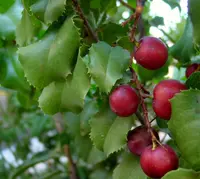
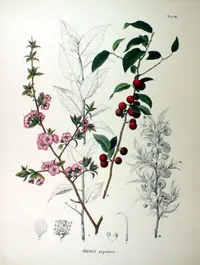
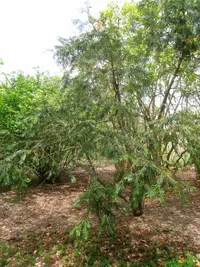
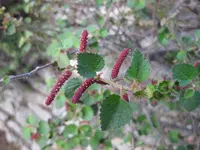
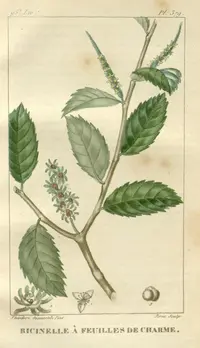
California copperleaf (Acalypha californica) is a compact, evergreen shrub native to dry, rocky slopes and coastal scrub in California and Baja California. It naturally forms a low, rounded mound with small, softly textured leaves and inconspicuous reddish flower spikes that add subtle color rather than showy blooms.

This species is adapted to heat, sun, and low water, which makes it suitable for dry gardens and low-maintenance landscapes. It prefers full sun, well-drained soil, and only occasional deep watering once established, so those who care for California copperleaf usually find it reliable in suitable climates.

Main Plant Requirements

Care Difficulty

Easy Care

Light Preference

Full Sun

Water Requirements

Low Water

Temperature Preference

Warm Climate

Hardiness Zone

8–10

Soil Texture

Sandy, Loamy, Rocky

Soil pH

Slightly acidic (6.5–7.0), Neutral (7.0)

Soil Drainage

Well-drained

Fertilization

Minimal (feed rarely)

Get Personalized Care Plan

Scan your plant to receive care tips personalized for your specific plant

Available on iOS and Android

How to Care for the California copperleaf

This drought-tolerant shrub prefers bright, direct sun in mild to hot, dry climates.

  • Provide 6–8 hours of direct sun daily; full sun is ideal in coastal areas, while light afternoon shade helps inland where summers are hotter.
  • Tolerates light or dappled shade for part of the day, but flowering and dense growth decline in locations with less than 4–5 hours of sun.
  • Monitor leaves for stress: pale, scorched, or crisping edges suggest intense late-afternoon sun; sparse, leggy growth indicates insufficient light for California copperleaf.

This species is adapted to dry conditions and needs infrequent, deep watering once established.

  • Allow the top 5–8 cm of soil to dry before watering; soil should feel dry and crumbly, not just dry at the surface.
  • Increase watering slightly in the first 1–2 growing seasons and during heatwaves, then reduce to occasional deep soaks in cool seasons.
  • Use well-drained, gritty or sandy soil to prevent root rot; yellowing, soft leaves suggest overwatering, while curling, brittle foliage indicates underwatering in Acalypha californica.

This shrub thrives in warm, dry climates with mild winters and hot summers.

  • Optimal growth occurs around 65–85°F (18–29°C); it suits USDA zones where frost is rare or very light and brief.
  • Acalypha californica tolerates summer heat up to about 95–100°F (35–38°C) if soil is well-drained and the root zone is not waterlogged.
  • Protect from frost; damage starts near 28–30°F (-2 to -1°C), and repeated freezes can kill stems, so plant in warm microclimates or against south-facing walls in cooler regions.

This drought-adapted shrub tolerates low humidity and usually needs no special humidity management.

This species prefers fast-draining, lean, sandy soil that mimics its native dry habitats.

  • Use a sandy or sandy-loam mix with 30–50% coarse sand or fine gravel to keep drainage rapid.
  • In containers, combine cactus mix with 20–30% mineral grit and a small amount of compost for structure, not richness.
  • Aim for slightly acidic to neutral pH around 6.0–7.2, avoiding strongly acidic or alkaline conditions that restrict nutrient uptake.
  • Avoid heavy clay, compacted areas, or mixes high in peat that stay wet, as these promote root rot and reduce aeration.

This shrub can grow in containers outdoors if the pot is prepared to shed water quickly and stay stable in wind.

  • Choose a wide, heavy pot to counterbalance its bushy, spreading habit and reduce tipping in exposed sites.
  • Select a mineral-based mix similar to cactus soil so the root zone dries between waterings and prevents chronic wetness near the crown.
  • Elevate the container slightly on feet or bricks so drainage holes never sit in water and salts flush out freely over time.

This dryland native needs minimal feeding, but light fertilization can support growth in poor soils.

  • In the ground, apply a thin layer of compost around the root zone once each spring instead of frequent synthetic feeding.
  • For containers, use a balanced slow-release fertilizer (around 10-10-10) at half label rate at the start of the growing season.
  • If using liquid balanced NPK, dilute to 1/4–1/2 strength and apply every 6–8 weeks during active growth only.
  • Stop fertilizing California copperleaf in late summer so new growth can harden before cooler weather.

Pruning helps Acalypha californica stay compact and encourage dense flowering growth.

  • Best time is late winter to early spring, before vigorous new growth starts.
  • Use clean, sharp hand pruners to remove dead, damaged, or crossing stems at their base.
  • Shorten overly long or leggy shoots to shape the shrub and stimulate branching near the tips.
  • After flowering flushes, light tip trimming can maintain a tidy form without stressing the plant.

In most gardens this species is planted in the ground, so transplanting is more common than repotting.

  • Transplant in late winter or early spring, when temperatures are mild and soil is workable.
  • Move plants when growth slows, roots circle the container, or the shrub dries out very quickly after watering.
  • Shift up 1 pot size only, using fast-draining soil to limit waterlogging and root rot risk.
  • Minimize root stress by keeping the root ball intact, watering thoroughly after transplanting, and shading for 3–5 days if conditions are hot.

This shrub is commonly propagated from semi-hardwood cuttings and sometimes from seed.

  • Take 7–10 cm semi-hardwood cuttings in late spring to summer, choosing non-flowering shoots.
  • Remove lower leaves, dip the base in rooting hormone, and insert into a sterile, fast-draining mix such as 50% perlite and 50% peat or coco coir.
  • Maintain bright indirect light, high humidity, and soil temperatures around 70–75°F until roots form.
  • Seeds, if available, should be sown in warm conditions with light, even moisture for steady germination.

This coastal native is moderately frost tolerant in mild climates and usually needs little winter attention.

  • Established plants in the ground generally withstand light frosts, but young shrubs benefit from a 5–8 cm mulch layer around the root zone.
  • Keep mulch slightly away from stems to reduce rot risk during cool, damp periods.
  • In colder regions or exposed sites, grow Acalypha californica in containers and move under cover during hard freezes.

Care Tips

Encourage Bushy Habit

Pinch back 2–3 cm of soft new shoot tips in late winter and again after the first flush of flowers to keep plants dense, reduce legginess, and stimulate more branching and bloom sites.

Smart Renewal Pruning

Every 2–3 years, remove 1–3 of the oldest, woodiest stems at the base after peak flowering to maintain vigor, improve air flow, and reduce the risk of dieback in the center of the shrub.

Mulch for Root Protection

Apply a 5–8 cm layer of coarse, well-drained mulch such as shredded bark or chipped wood around but not touching the stems to moderate soil temperature, suppress weeds, and protect shallow roots in hot, exposed sites.

Targeted Pest Monitoring

Inspect the undersides of leaves and tender shoot tips every 2–4 weeks during warm months for aphids, whiteflies, or spider mites, and wash them off early with a firm stream of water before populations build up.

Drought Hardening Strategy

Once established, gradually lengthen the interval between deep waterings over 1–2 seasons to encourage deeper rooting, which makes growing California copperleaf more resilient during heatwaves and water restrictions.

Common Pests and Diseases

Spider mites

This pest attacks tender new growth, causing fine stippling, pale patches, and a dusty webbing on leaves, especially during hot, dry weather. Symptoms include slowed growth and a dull, gray-green appearance of foliage.

Solution

Rinse foliage thoroughly with a strong but gentle stream of water, including leaf undersides, and repeat every few days for several cycles. For heavier infestations, use insecticidal soap or horticultural oil labeled for mites, applied in the early morning or late afternoon, and reduce plant stress by providing adequate water without overwatering.

Aphids

These insects feed on young stems and leaf tips, causing curling, distortion, and sticky honeydew that can attract ants. Symptoms include clustered soft-bodied insects on new growth and a shiny or sooty coating on leaves.

Solution

Prune off heavily infested shoot tips and wash remaining colonies from the plant with a firm stream of water. If needed, apply insecticidal soap to the affected areas and manage nearby ant activity so natural predators such as lady beetles can help keep populations low.

Leaf spot

This disease produces small brown to tan spots on leaves that may expand, merge, and cause premature leaf drop, especially in warm, humid conditions or with frequent overhead watering. Symptoms include irregular discolored patches and thinning foliage on older parts of the plant.

Solution

Remove and discard affected leaves, avoid wetting foliage when irrigating, and space plants so air can move freely around them. In persistent or severe cases, use a copper-based or other labeled ornamental fungicide, following the directions carefully and combining treatment with improved drainage and reduced leaf wetness.

Powdery mildew

This disease appears as a white or gray powdery film on leaf surfaces, leading to yellowing, distortion, and reduced vigor in susceptible plants. Symptoms include patchy, talc-like growth on upper leaves, often during warm days with cooler, humid nights.

Solution

Increase air circulation by thinning dense growth and avoiding overhead irrigation, especially in the evening. At early onset, remove the most affected leaves and apply sulfur, potassium bicarbonate, or other labeled powdery mildew control products as directed, repeating as needed while monitoring for any leaf burn on sensitive foliage.

Interesting Facts

Endemic coastal shrub

This species is native and restricted to coastal and near-coastal areas of California and northern Baja California, typically growing on dry, rocky slopes and chaparral margins rather than in inland habitats.

Wind-pollinated flowers

Its small, petal-less flowers rely mainly on wind for pollination, an unusual trait among showier ornamental Acalypha species that often depend more on insects.

Drought-adapted foliage

The small, somewhat thick leaves help reduce water loss, allowing the plant to stay evergreen or nearly evergreen in Mediterranean-type climates with long dry summers.

Botan icon

Did you know?

This species is considered an important larval host and nectar source for several native butterflies in coastal southern California, making it a valuable component of habitat restoration plantings aimed at supporting local pollinator populations.

FAQs about California copperleaf

Sparse or absent flowering often results from insufficient maturity, stress after recent planting, or heavy pruning at the wrong time. Excessive shade or chronic drought can also reduce blooms. Stable conditions and patience usually restore normal flowering over time.

Grow Healthy Plants with Botan Care

Keep your plants happy and healthy with plant identification, disease detection, and easy care guidance.

Botan plant care app — identify plants on mobile

Explore More Plants