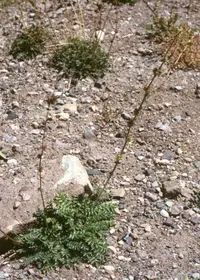
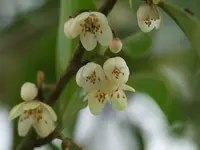
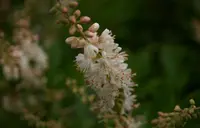
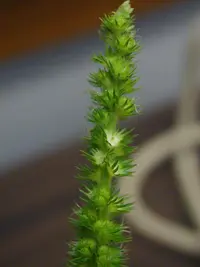
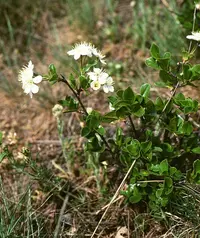
round copperleaf Care (Acalypha monostachya)

round copperleaf

About round copperleaf

Round copperleaf, Acalypha monostachya, is a compact tropical shrub grown mainly for its dense, rounded foliage and fine-textured stems. It forms low mounds that suit borders, mixed containers, or small hedges in warm climates.

This species is native to Mexico and nearby regions, where it grows in sunny, open sites with well-drained soils. Its relatively fast growth and tolerance of light pruning make it manageable, but it does best with stable warmth and protection from cold.

Moist, free-draining soil and bright light help keep the plant dense and healthy, which simplifies how to care for round copperleaf for most home gardeners.

Main Plant Requirements

Care Difficulty

Moderate Care

Light Preference

Partial Sun

Water Requirements

Regular Water

Temperature Preference

Tropical / Frost Sensitive

Hardiness Zone

10–11

Soil Texture

Loamy, Sandy, Organic-rich

Soil pH

Acidic (5.5–6.5), Slightly acidic (6.5–7.0)

Soil Drainage

Moist but well-drained

Fertilization

Light (every 4–6 weeks)

Get Personalized Care Plan

Scan your plant to receive care tips personalized for your specific plant

Available on iOS and Android

How to Care for the round copperleaf

This plant prefers bright exposure with protection from harsh midday sun for compact, colorful growth.

  • Provide 4–6 hours of direct morning sun or late-afternoon sun, plus bright, filtered light the rest of the day for round copperleaf outdoors.
  • Tolerates light partial shade, but dense shade causes leggy stems and dull foliage; move gradually to brighter light to avoid scorch.
  • In hot summers, shield from strong sun between 11 a.m.–3 p.m. with dappled shade; in winter, maximize light by avoiding deep shade from buildings or trees.

Acalypha monostachya needs evenly moist, well-drained soil and does not tolerate waterlogging.

  • Water when the top 2–3 cm of soil feels dry, soaking the root zone, then let excess drain away completely.
  • Reduce frequency in cooler months, but never allow soil to dry out hard or pull away from the edges, which indicates underwatering stress.
  • Watch for yellowing, soft leaves and sour-smelling soil as signs of overwatering; use free-draining soil and avoid standing water around roots.

This warm-climate shrub prefers stable, mild temperatures and is damaged by cold snaps.

  • Aim for 65–80°F (18–27°C) for best growth; it maintains foliage color and compact form in this range.
  • Avoid temperatures below 50°F (10°C); brief drops to 40–45°F (4–7°C) may be survived but can cause leaf drop and slowed growth.
  • The plant tolerates short periods up to 90–95°F (32–35°C) if soil moisture is maintained and roots are mulched, but protect from hot, dry winds.

This species prefers moderately humid air but adapts to typical indoor conditions if extremes are avoided.

  • Aim for 40–60% humidity; it tolerates brief dips lower but prolonged very dry air weakens foliage.
  • In dry rooms, round copperleaf may show crispy leaf edges, slowed growth, and more leaf drop as humidity stress signs.
  • Increase humidity with a nearby open tray of water and pebbles, grouping plants, or running a small humidifier rather than misting leaves.

This plant grows best in loose, well-drained, organic-rich soil that still holds some moisture.

  • Use a peat- or coco-coir-based potting mix with 20–30% perlite or pumice to keep texture light and aerated.
  • Acalypha monostachya prefers slightly acidic to neutral soil, roughly pH 6.0–7.0, which supports nutrient availability and root health.
  • Incorporate a small amount of compost or worm castings to supply organic matter while avoiding heavy, clay-rich garden soil.
  • Avoid compacted or waterlogged substrates; if drainage is slow, add more coarse material like perlite or fine bark chips.

This species is well-suited to container growing when the pot is matched to its root system and spreading habit.

  • Choose a low, wide container to accommodate its bushy, spreading growth and reduce the risk of tipping in wind.
  • Opt for a breathable material like unglazed terracotta if overwatering is a concern, as it allows faster evaporation from the root zone.
  • Ensure drainage holes are large and unobstructed so heavy watering events can clear quickly without leaving roots sitting in pooled water.

This small shrub benefits from light, consistent nutrition during its active growing season.

  • Use a balanced liquid fertilizer (for example 10-10-10) at 1/4–1/2 strength every 3–4 weeks in spring and summer when caring for round copperleaf.
  • Alternatively, apply a thin layer of compost or a low-dose slow-release fertilizer at the start of the growing season.
  • Water before and after feeding to limit root burn and keep salts from building up in the potting mix.
  • In fall and winter, when growth slows, reduce feeding to once in 6–8 weeks or pause completely if light is low.

Pruning keeps Acalypha monostachya dense, compact, and visually tidy.

  • Carry out main shaping in late winter or early spring before strong new growth starts.
  • Use clean, sharp hand pruners to remove dead, damaged, or crossing stems back to healthy tissue.
  • Tip back overly long shoots to encourage branching and a fuller, bushier outline.
  • Light trimming through the warm season helps maintain size without stressing the plant.

This species grows quickly and benefits from periodic repotting or transplanting to maintain healthy roots.

  • Check for roots circling the pot, growing from drainage holes, or slower growth as signals it needs more space.
  • Plan repotting or outdoor transplanting in spring, about every 1–2 years for container plants.
  • Choose a container 2–5 cm wider with free-draining mix, then loosen circling roots gently to reduce transplant shock.
  • Water thoroughly after moving, keep in bright but indirect light for 5–7 days, and avoid heavy feeding until new growth appears.

This plant is commonly propagated from softwood stem cuttings for consistent traits and quick establishment.

  • Take 7–10 cm non-flowering stem cuttings in late spring or early summer from vigorous, pest-free shoots.
  • Remove lower leaves, optionally dip the base in rooting hormone, and insert into a moist, well-drained medium such as perlite and peat.
  • Maintain warm conditions around 70–80°F, bright indirect light, and high humidity until roots form in 3–5 weeks.
  • Seeds can be sown in warm conditions, but cuttings are preferred for faster and more predictable Acalypha monostachya plant care.

This warmth-loving shrub is frost sensitive and needs protection in regions with cold winters.

  • In areas below 40°F, grow in containers and move plants indoors before the first frost, placing them in bright, indirect light.
  • Keep indoor temperatures around 60–75°F and reduce watering, allowing the top layer of soil to dry slightly between waterings.
  • In mild climates, apply a light mulch around the root zone to moderate soil temperature and moisture during cooler months.

Care Tips

Encourage Compact Shape

Pinch just the soft shoot tips every 3–4 weeks to keep plants dense and rounded, rather than removing large stems at once, which can shock this small shrub.

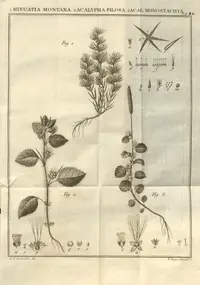
Timed Rejuvenation Pruning

Once a year at the start of spring, cut back 1/3 of the oldest, woodiest stems to the base to stimulate fresh colorful growth and extend the plant’s productive life.

Use Low, Wide Pots

Choose a wide, shallow container rather than a deep narrow one, as this species forms a fibrous, spreading root system that stabilizes the plant and supports bushy top growth.

Rotate For Even Color

Turn the pot 1/4 turn every 1–2 weeks so all sides receive similar light exposure, which prevents one-sided stretching and keeps foliage color even when growing round copperleaf.

Prevent Spider Mite Build‑up

Inspect leaf undersides weekly and, if air is dry, hose or shower the foliage with a firm but gentle spray to physically remove early spider mite populations before they cause bronzing or leaf drop.

Common Pests and Diseases

Spider mites

This pest thrives on Acalypha foliage in warm, dry indoor or patio conditions, causing fine stippling, dulling of leaves, and fine webbing between stems and leaves.

Solution

Rinse the plant thoroughly with a strong but gentle stream of water, then increase humidity and reduce heat stress; for heavier infestations, apply insecticidal soap or a neem oil spray to both leaf surfaces every 5–7 days until new growth appears clean.

Aphids

These insects cluster on tender shoot tips and flower spikes, sucking sap and causing leaf curling, distortion, and sticky honeydew that can lead to sooty mold growth.

Solution

Prune heavily infested tips, rinse remaining stems and leaves with water, then treat with insecticidal soap or a light horticultural oil spray, repeating weekly until no new colonies appear and encouraging natural predators outdoors when possible.

Mealybugs

This pest appears as white cottony clumps in leaf axils, along stems, and on roots in containers, weakening the plant and slowing new growth.

Solution

Dab visible insects with cotton swabs dipped in isopropyl alcohol, then follow with repeated applications of insecticidal soap or neem oil, checking the root ball in potted plants and repotting into fresh mix if root mealybugs are present.

Scale insects

These insects attach as small brown or tan bumps on stems and leaf midribs, causing gradual yellowing, leaf drop, and sticky honeydew on foliage and nearby surfaces.

Solution

Gently scrape or wipe off individual scales with a soft cloth or fingernail, then apply horticultural oil to thoroughly coat stems and leaf veins, repeating at 10–14 day intervals to catch newly hatched crawlers while improving plant vigor with consistent light and watering.

Sooty mold

This disease develops as a black, powdery coating on leaves and stems that grow under chronic honeydew from aphids, scale, or mealybugs, reducing photosynthesis and making foliage look dirty.

Solution

First control the underlying sap-feeding insects, then wipe or gently wash leaves with lukewarm water and a mild soap solution, improving air circulation and light so new growth emerges clean and unaffected, which is a key part of Acalypha monostachya care.

Interesting Facts

Compact shrub habit

This species typically forms a low, densely branched shrub with many short internodes, which is why it is widely used as an edging or border plant in warm climates rather than as a tall hedge.

Distinctive rounded foliage

Unlike many other Acalypha species with elongated or toothed leaves, this plant has small, mostly rounded leaves that give it a fine-textured, almost cushion-like appearance when grown in mass plantings.

Warm‑climate ornamental

It is naturally adapted to tropical and subtropical environments and is commonly grown outdoors year-round in frost-free regions, but often treated as a seasonal or container ornamental in cooler areas.

FAQs about round copperleaf

This compact shrub works well indoors if given bright light, warm temperatures, and regular pruning to keep a tidy shape. For successful round copperleaf indoor care, rotate the pot sometimes so growth stays even and dense.

Grow Healthy Plants with Botan Care

Keep your plants happy and healthy with plant identification, disease detection, and easy care guidance.

Botan plant care app — identify plants on mobile

Explore More Plants