Pineapple Zamia Care (Macrozamia lucida)

Pineapple Zamia

About Pineapple Zamia

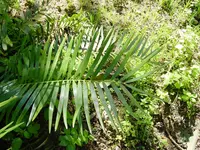
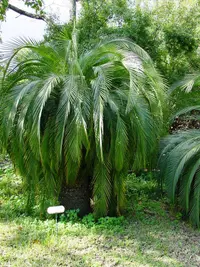
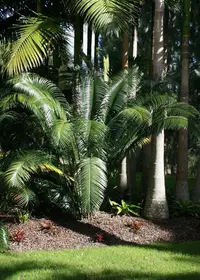
Pineapple zamia (Macrozamia lucida) is a slow-growing cycad with stiff, glossy green fronds that form a dense, symmetrical crown. Mature plants develop a chunky, textured trunk that gives a compact, architectural look.

This species is native to eastern Australia, where it grows in open forests and woodlands, often on well-drained, sandy or rocky soils. Its slow growth and tough foliage make it relatively durable, but patience is important if you want to care for Pineapple Zamia over many years.

It prefers bright light, free-draining soil, and even moisture with good drainage, and tolerates brief dry spells once well established.

Main Plant Requirements

Care Difficulty

Moderate Care

Light Preference

Partial Sun

Water Requirements

Moderate Water

Temperature Preference

Warm Climate

Hardiness Zone

9–11

Soil Texture

Sandy, Loamy, Organic-rich

Soil pH

Acidic (5.5–6.5), Slightly acidic (6.5–7.0)

Soil Drainage

Well-drained

Fertilization

Minimal (feed rarely)

Get Personalized Care Plan

Scan your plant to receive care tips personalized for your specific plant

Available on iOS and Android

How to Care for the Pineapple Zamia

Macrozamia lucida prefers bright, filtered sun that mimics open woodland edges.

  • Provide 4–6 hours of bright, indirect light or soft morning sun; light afternoon shade prevents leaf scorch in hot climates.
  • The plant tolerates light to medium shade, but very dense shade leads to thin, stretched fronds and slower growth over time.
  • In summer, protect Pineapple Zamia from intense midafternoon sun, and in winter consider a brighter position to compensate for shorter days and lower light angles.

Macrozamia lucida prefers evenly moist but never waterlogged soil, with brief drying between waterings.

  • Outdoors in the ground, water deeply, then allow the top 3–5 cm of soil to dry before watering again; sandy, freely draining soil is ideal.
  • In warm active growth, monitor soil weekly; in cooler seasons extend intervals, watering mainly when fronds begin to feel slightly less firm or soil dries more slowly.
  • Yellowing, soft crowns or a sour smell signal overwatering and poor drainage, while crisp leaflet tips and curling fronds indicate the plant has stayed dry too long.

This cycad prefers mild, frost‑free conditions with moderate warmth through most of the year.

  • Optimal growth occurs around 65–80°F (18–27°C), with steady temperatures supporting stronger fronds and root development.
  • The plant tolerates brief dips to about 30–32°F (-1–0°C) but hard frost damages foliage; provide protection during cold snaps in marginal climates.
  • Heat up to 95°F (35°C) is usually tolerated if soil moisture is stable and the root zone is mulched, though prolonged extreme heat can slow growth and stress the plant.

This cycad handles typical indoor humidity but benefits from slightly moist air.

  • Aim for 40–60% humidity, as very dry air can slow new frond expansion.
  • Dry, crispy leaflet tips and stalled new fronds indicate humidity stress rather than watering issues in Pineapple Zamia.
  • Use a pebble tray or place the pot near other plants to raise local humidity without wetting the crown.

This species prefers a sharply drained, mineral-rich mix that mimics its native sandy habitats.

  • Use a sandy, gritty mix such as 40% cactus potting mix, 40% coarse sand, and 20% fine bark or pumice for strong root health.
  • Ensure fast drainage; water should run through the pot in seconds, not sit on the surface or pool in the saucer.
  • Keep pH slightly acidic to neutral (pH 6.0–7.0), avoiding strongly alkaline mixes that can block nutrient uptake.
  • Avoid heavy, peat-dominant or clay-based substrates that stay wet and compact, as these promote root rot in Macrozamia lucida.

This species adapts well to container growing when given a stable, deep pot with excellent drainage.

  • Choose a deep, relatively heavy container so the slow but eventually top-heavy crown does not tip in wind or when moved.
  • Select breathable materials like unglazed clay if extra evaporation is needed, or plastic if moisture retention is a concern in hot, arid climates.
  • Position the container on pot feet or a stand so drainage holes stay clear and runoff water leaves the root zone quickly.

Macrozamia lucida grows slowly and needs only light feeding in cultivation.

  • Use a balanced slow-release fertilizer (around 10-10-10) or very dilute liquid feed at 1/4–1/2 strength during spring and summer.
  • Apply every 6–8 weeks in the growing season, skipping feedings if growth is already strong.
  • Hold all fertilizer in fall and winter, as the plant is semi-dormant and excess nutrients may damage roots.
  • For caring for Pineapple Zamia in pots, ensure the soil is moist before feeding to reduce fertilizer burn.

Macrozamia lucida needs minimal pruning, mainly to keep the plant tidy and healthy.

  • Best time to prune is late winter to early spring, before strong new growth begins.
  • Remove only dead, yellowing, diseased, or badly damaged fronds at the base with clean, sharp pruners or a pruning saw.
  • Avoid cutting green, healthy fronds; excessive removal weakens the plant and slows growth.
  • Discard pruned material promptly to reduce pest and disease habitat around the crown.

This cycad dislikes frequent disturbance, so repotting or transplanting is done only when clearly necessary.

  • Look for roots circling the pot, pushing through drainage holes, or very slow growth despite good care as signs it needs more space.
  • Plan repotting or transplanting for late spring to early summer, about every 4–6 years for container plants.
  • Choose a slightly larger, deep container with very free-draining mix, keeping the crown at the same soil level and roots as intact as possible.
  • Water lightly after moving, keep shaded for 1–2 weeks, and avoid fertilizing until new growth shows reduced transplant stress.

Macrozamia lucida is most often propagated from seed, which is slow and demands patience and stable conditions.

  • Collect ripe seeds, clean them, and sow in late spring or early summer in a very free-draining, sandy mix.
  • Provide constant warmth around 75–85°F and moderate moisture; germination may take many months.
  • Remove the fleshy seed coat carefully and consider a brief soak in clean water to improve germination.
  • Keep seedlings in bright, indirect light and avoid root disturbance, as young cycads are sensitive to damage.

This species is moderately cold tolerant but benefits from simple winter precautions in cooler climates.

  • Macrozamia lucida tolerates light frosts but can suffer leaf damage below about 25°F, especially when young.
  • In-ground plants in marginal zones do best with 5–8 cm of mulch around the root zone, kept away from the crown.
  • Container plants in cold areas should be moved indoors or into a cool, bright, frost-free space for winter.

Care Tips

Protect Growing Cone

If a reproductive cone forms, avoid handling it and keep pets and children away, since cycads are toxic and physical damage to the cone can slow the plant and invite fungal problems at the crown.

Root-zone Mulching

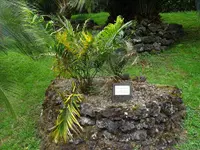
Apply a 3–5 cm ring of inert mulch such as coarse pine bark or gravel over the root zone, keeping it a few cm away from the trunk, to stabilize soil moisture and protect surface roots without suffocating the crown.

Safe Wind Positioning

In windy areas, place the pot where wind is filtered by a fence or larger shrubs so the stiff but brittle fronds do not crack at the base, which can become an entry point for rot.

Container Weighting

For tall plants in relatively small pots, add a layer of clean gravel or pebbles at the bottom of the container to increase weight and reduce the risk of the plant toppling and snapping fronds.

Slow Acclimation Outdoors

If moving the plant from indoors to a patio for summer, increase outdoor time gradually over 7–10 days to prevent scorch and stress, which is especially important when growing Pineapple Zamia in regions with strong sun.

Common Pests and Diseases

Cycad scale

This pest forms dense white, crusty patches on fronds and stems and causes yellowing, leaf drop, and general decline if populations build up. These insects feed by sucking sap, stressing the plant over time.

Solution

Isolate the plant, then physically remove scale with a soft brush or cloth dipped in soapy water or 70% isopropyl alcohol, taking care to reach both leaf surfaces and the crown. For heavier infestations, use repeated applications of a horticultural oil or insecticidal soap at 7–10 day intervals, and reduce plant stress by providing correct light, watering, and nutrition.

Mealybugs

This pest appears as white, cottony clusters in leaf bases, along leaf stalks, and around the crown, often accompanied by sticky honeydew and sooty mold. These insects weaken the plant and can distort new growth if left unmanaged.

Solution

Inspect tight leaf bases and the crown closely, then dab visible mealybugs with cotton swabs dipped in 70% isopropyl alcohol or wash them off with a firm stream of water. In persistent cases, apply insecticidal soap or horticultural oil carefully into crevices every 7–14 days, and improve air movement while avoiding overfertilizing, which can favor rapid pest build‑up.

Armillaria root rot

This disease attacks the roots and basal stem, leading to gradual yellowing, stunting, and eventual collapse, often in plants grown in the ground or large outdoor containers. Symptoms include poor new growth and sometimes a decayed, spongy crown area below soil level.

Solution

There is no reliable chemical cure, so remove and destroy severely affected plants, including as many roots as possible, and avoid replanting another cycad in the same spot. For prevention, plant in very well‑drained soil, avoid overwatering or burying the crown, and keep organic mulch away from direct contact with the base to limit fungus spread.

Crown rot

This disease affects the central growing point, causing the crown tissue to soften, blacken, and emit a foul smell, often after prolonged wet or poorly drained conditions. Symptoms include failure to produce new flushes of fronds and collapse of existing leaves from the center outward.

Solution

At early stages, carefully cut away all soft, discolored tissue with a sterile tool until only firm, healthy tissue remains, then allow the crown to dry and stay well‑ventilated. Reduce watering, ensure the potting mix or soil drains freely, keep the crown above soil level, and consider applying a targeted fungicide drench labeled for crown rots if conditions are consistently wet.

Interesting Facts

Fire-linked regeneration

This species often occurs in fire-prone coastal forests of eastern Australia, where adults can survive low-intensity burns and then flush a new crown of leaves from the underground stem (caudex) after fire.

Specialist seed dispersers

In the wild, its bright red fleshy seed coverings (sarcotestas) attract birds, which eat the outer tissue and help disperse the heavy seeds away from the female cones.

Sex-specific cones

Macrozamia lucida forms separate male and female plants, each producing large cones with distinct shapes and structures, a typical trait of cycads but expressed in this species as relatively slender male cones and more robust, ovoid female cones.

Botan icon

Did you know?

Some populations of Macrozamia lucida are considered of conservation concern in parts of its native range in southeastern Queensland due to habitat loss and fragmentation of the lowland coastal forests where it naturally occurs.

FAQs about Pineapple Zamia

This cycad stays relatively compact. Mature plants usually form a low clump about 60–120 cm tall and wide. Growth is slow, so it takes many years to reach the upper end of this size range.

Grow Healthy Plants with Botan Care

Keep your plants happy and healthy with plant identification, disease detection, and easy care guidance.

Botan plant care app — identify plants on mobile

Explore More Plants