Florida arrowroot Care (Zamia integrifolia)

Also known as: bay-rush, comfort root, Coontie
Florida arrowroot

About Florida arrowroot

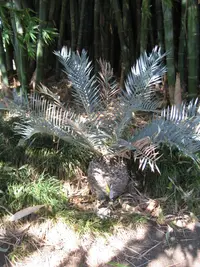
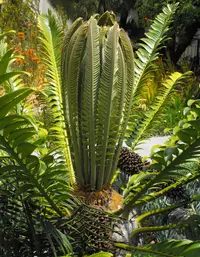
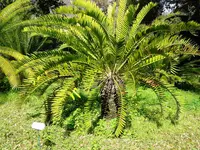
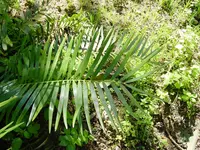
Florida arrowroot, Zamia integrifolia, is a small, slow-growing cycad that forms a low rosette of stiff, glossy, feather-like leaves from an underground stem. It stays compact, which makes it suitable for small gardens and container growing.

This species is native to sandy pinelands and coastal scrub of Florida and nearby regions, where it tolerates heat, drought, and poor, well-drained soils. Its rugged nature and slow growth rate mean it is generally low-maintenance once established, though it dislikes poorly drained or waterlogged conditions.

In cultivation, it prefers bright light, slightly dry conditions between waterings, and a gritty, fast-draining mix. These traits shape how to care for Florida arrowroot in both outdoor and indoor settings.

Main Plant Requirements

Care Difficulty

Easy Care

Light Preference

Full Sun

Water Requirements

Low Water

Temperature Preference

Warm Climate

Hardiness Zone

8–11

Soil Texture

Sandy, Loamy, Rocky

Soil pH

Acidic (5.5–6.5), Slightly acidic (6.5–7.0)

Soil Drainage

Well-drained

Fertilization

Minimal (feed rarely)

Get Personalized Care Plan

Scan your plant to receive care tips personalized for your specific plant

Available on iOS and Android

How to Care for the Florida arrowroot

This cycad thrives in bright outdoor exposure but needs protection from harsh midday sun.

  • Provide 4–6 hours of direct morning sun, then light shade or filtered light from trees or a shade cloth in the afternoon.
  • Florida arrowroot tolerates partial shade, but in sites with less than 3–4 hours of sun, growth slows and leaves may stretch or thin out.
  • In hot summers, monitor for leaf scorch on west-facing sites and shift plants slightly shadier; in winter, avoid deep shade under dense evergreens.

This drought-tolerant cycad prefers infrequent, deep watering and sharply drained soil.

  • Allow sandy or gritty soil to dry at least in the top 5–8 cm before watering again, using a finger test rather than a fixed schedule.
  • In warm growing seasons, water thoroughly until excess drains away, then wait; in cooler months, reduce frequency further to prevent root rot in Zamia integrifolia.
  • Watch for yellowing, soft leaf bases as a sign of overwatering, and crisp, browning leaflet tips or early leaf drop as signs of underwatering.

This species is adapted to warm climates and does best with mild winters and hot summers.

  • Aim for an active growth range of 70–90°F (21–32°C); it tolerates brief spikes to 95°F (35°C) if soil is not waterlogged.
  • Protect plants when temperatures drop near 35°F (2°C); foliage can be damaged by light frost and repeated freezes may kill the crown.
  • In regions with winter lows below 30°F (-1°C), use mulch over the root zone and consider temporary covers during cold snaps to reduce stress.

This cycad handles a wide humidity range but benefits from moderately moist air.

  • Aim for 40–60% humidity, which matches typical indoor levels in many homes.
  • It tolerates short dry spells, but very dry heated air can cause leaf tips to brown and fronds to look dull.
  • Increase humidity with a nearby pebble tray or grouping plants together rather than misting Florida arrowroot directly.

This species prefers very well-drained, sandy soil that mimics its native scrub habitat.

  • Use a mix of roughly 50–70% coarse sand or grit with the rest split between regular potting mix and fine bark to keep the substrate open.
  • Ensure very fast drainage; water should run through freely, never pooling around the roots of Zamia integrifolia.
  • Aim for slightly acidic to neutral pH (6.0–7.0), avoiding highly alkaline or salty substrates that can stunt growth.
  • Improve aeration by adding extra perlite or pumice and avoid heavy clay, peat-only, or compacted mixes that stay wet for more than 1–2 days.

This species adapts well to container growing when roots are kept dry and well aerated.

  • Choose a pot that is wider than it is deep to accommodate its shallow, spreading root system and underground stem.
  • Select a heavy clay or ceramic container in windy outdoor sites to keep the plant stable as the crown enlarges.
  • Place a coarse gravel or broken-pot shard layer over drainage holes to prevent mix loss without slowing water outflow.

Zamia integrifolia grows slowly and needs modest feeding to support healthy foliage and root development.

  • Use a balanced slow-release fertilizer (around 10-10-10) or a thin layer of compost at the start of the warm growing season.
  • Apply granular slow-release once in spring and, in long seasons, again midsummer; avoid frequent high-dose feeding.
  • During winter or dormancy, skip feeding entirely to prevent soft, weak growth.
  • For container plants, use a half-strength balanced liquid feed every 4–6 weeks in active growth, flushing the soil occasionally to limit salt buildup.

Pruning needs of Zamia integrifolia are minimal and focus on sanitation rather than shaping.

  • Carry out pruning in late winter or early spring before strong new growth begins.
  • Remove only dead, yellowing, diseased, or storm-damaged fronds at the base using clean, sharp pruners.
  • Avoid cutting the central growing point, as this controls future growth and plant symmetry.
  • Light removal of old fronds improves air flow and appearance but does not significantly influence flowering.

This cycad resents disturbance, so repotting or transplanting should be rare and carefully planned.

  • Consider moving the plant only when growth slows, roots circle the pot, or the plant becomes unstable in its container or bed.
  • Schedule any transplanting for late spring to early summer, when soil is warm and recovery is fastest.
  • Typically shift to a slightly larger pot or new site every several years, keeping the crown at the same soil level.
  • Handle the fleshy root system gently, keep the root ball as intact as possible, and water thoroughly afterward to settle soil and reduce stress.

Zamia integrifolia is usually propagated from seed, a slow process that requires patience and specific conditions.

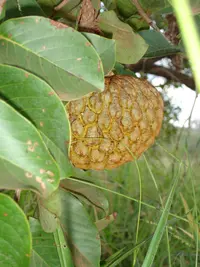
  • Collect ripe seeds from female cones once scales begin to separate, then clean off any remaining fruit flesh.
  • Sow seeds in late spring to early summer in a free-draining sandy mix, barely covering them.
  • Maintain temperatures around 75–85°F with consistent, light moisture; germination may take several months.
  • Avoid frequent disturbance of seedlings; provide bright, indirect light and good air movement to prevent rot.

Florida arrowroot prefers mild winters and needs protection from hard freezes, especially when young or container grown.

  • In regions below USDA zone 9, grow in containers so plants can be moved indoors before temperatures drop near 32°F.
  • Provide a bright, cool, frost-free indoor spot with minimal watering during winter.
  • In the ground, apply a 5–8 cm mulch layer over the root zone in late fall, keeping mulch off the crown.
  • After a light frost, wait until spring to remove any browned fronds, as they may insulate remaining tissue.

Care Tips

Protect central crown

Keep mulch, debris, and irrigation spray away from the crown so the growth point stays dry and well aerated, which reduces crown rot risk in this slow-growing cycad.

Encourage pup offsets

If offsets (pups) appear around the base, wait until they have several leaves and a firm attachment, then sever cleanly with a disinfected knife and replant in a gritty mix to gradually expand your clump or create new plants.

Plan for deep roots

Choose the planting site carefully and avoid frequent transplanting, as the thick storage root and taproot resent disturbance and recover slowly after being moved.

Seasonal drought training

In mild climates, allow slightly longer dry intervals at the end of the warm season to harden growth and help the plant adapt to natural dry spells, useful when growing Florida arrowroot outdoors in sandy soils.

Targeted pest scouting

Inspect the leaflet undersides and leaflet bases every few weeks for scale insects or mealybugs, and treat early with a cotton swab dipped in alcohol or a labeled horticultural oil to prevent long-term damage to the stiff fronds.

Common Pests and Diseases

Cycad aulacaspis scale

This pest forms dense white crusts on leaf undersides and stems, often causing yellowing and rapid decline of fronds. Infestations can progress from lower leaves upward and may eventually kill the plant if not controlled.

Solution

Remove and dispose of heavily infested fronds, then wash remaining foliage thoroughly with a strong stream of water to dislodge scales. Follow with repeated applications of a labeled horticultural oil or insecticidal soap every 7–10 days, ensuring full coverage of leaf undersides and the crown, and avoid bringing in infested cycad material nearby when growing Florida arrowroot.

Armored scale

These insects appear as small, hard bumps on leaflets and petioles, often tan, gray, or brown, and cause stippling, yellow patches, and gradual leaf decline. Symptoms include reduced vigor and slow new growth over time.

Solution

Manually scrape or rub off localized colonies with a cotton pad or soft brush, then rinse foliage well. For broader infestations, apply horticultural oil or insecticidal soap, repeating treatments at 2–3 week intervals and improving plant vigor with correct light and watering so the plant can better tolerate minor remaining populations.

Sooty mold

This disease develops as a black, sooty coating on leaves and stems, growing on the sugary honeydew excreted by sap-sucking insects such as scale. Symptoms include dull, blackened foliage and reduced photosynthesis, though the fungus stays on the surface of tissues.

Solution

Control the underlying honeydew-producing insects first, then gently wash leaves with lukewarm water and a mild, dilute soap solution to remove the mold layer. Improve air circulation and light exposure so leaf surfaces dry faster and remain clean.

Leaf spot

This disease causes small to medium brown or tan spots with darker margins on older leaflets, which may merge into irregular patches under warm, humid conditions. Severe cases can lead to premature leaflet yellowing and drop.

Solution

Remove and discard affected leaflets or fronds to reduce spore spread, and avoid overhead watering to keep foliage dry. If spotting continues to worsen, use a labeled copper or broad-spectrum fungicide on new growth, applying in dry weather and spacing plants for better airflow.

Crown rot

This disease affects the central growing point at the base of the leaves, where tissues become soft, brown, and may emit a foul odor, often following prolonged wet or waterlogged conditions. Symptoms include sudden collapse or failure of new fronds to emerge properly.

Solution

At early stages, carefully cut out all soft, discolored tissue back to firm, healthy material, allow the crown area to dry thoroughly, and adjust watering so the soil drains well and never stays saturated. In consistently wet climates or poorly drained sites, raise the planting area, use a very gritty, fast-draining mix, and avoid overhead irrigation directly into the crown.

Interesting Facts

North American cycad native

This species is one of the few cycads native to the continental United States, naturally occurring in sandy habitats of Florida and parts of the southeastern coastal plain.

Specialized pollination partner

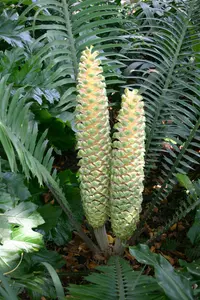
Its cones are pollinated primarily by a specific tiny weevil, Rhopalotria mollis, which uses the cones for food and shelter while carrying pollen between plants.

Starch once used as food

The underground stem stores starch that Indigenous peoples of Florida historically processed extensively to remove toxins and use as a flour-like product.

Botan icon

Did you know?

This species is remarkably tolerant of fire; its above-ground leaves can be destroyed by burns, but the subterranean stem usually survives and resprouts, allowing populations to persist in fire-prone pine and scrub ecosystems.

FAQs about Florida arrowroot

Brown leaf tips or patches usually result from drought stress, excessive sun exposure, fertilizer burn, or cold damage. Check soil moisture, avoid direct harsh sun, flush excess salts, and protect the plant from temperatures below its tolerance range.

Grow Healthy Plants with Botan Care

Keep your plants happy and healthy with plant identification, disease detection, and easy care guidance.

Botan plant care app — identify plants on mobile

Explore More Plants