Acalypha persimilis Care

Acalypha persimilis

About Acalypha persimilis

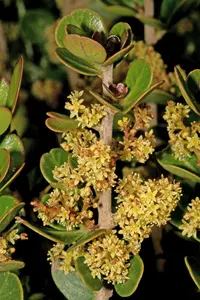
Acalypha persimilis is an evergreen shrub from tropical regions, grown mainly for its colorful, textured foliage rather than its flowers. It usually forms a dense, bushy shape with slender stems and leaves that can show attractive color variations, making it useful as an ornamental accent plant.

In its native habitat it grows in warm, humid conditions, often in bright but filtered light. It responds well to consistent moisture and a freely draining soil mix that prevents waterlogging. Understanding these natural preferences makes it easier to care for Acalypha persimilis in home or patio settings.

Main Plant Requirements

Care Difficulty

Moderate Care

Light Preference

Partial Shade

Water Requirements

Moderate Water

Temperature Preference

Tropical / Frost Sensitive

Hardiness Zone

Unknown

Soil Texture

Loamy, Organic-rich

Soil pH

Acidic (5.5–6.5), Slightly acidic (6.5–7.0)

Soil Drainage

Moist but well-drained

Fertilization

Light (every 4–6 weeks)

Get Personalized Care Plan

Scan your plant to receive care tips personalized for your specific plant

Available on iOS and Android

How to Care for the Acalypha persimilis

This shrub needs bright, non-scorching light to keep foliage dense and colorful.

  • Provide 4–6 hours of morning sun with light afternoon shade; strong late-day sun can scorch leaves, especially in hot summers.
  • Tolerates partial shade, but very low light reduces leaf color and makes stems leggy; brighten the site if growth becomes sparse or pale.
  • In cooler climates, plant Acalypha persimilis in a south or east exposure; in warm regions, prioritize dappled light under taller plants or light shade cloth.

Moist but fast-draining soil supports steady growth and reduces leaf drop.

  • Water when the top 3–5 cm of soil feels dry; the surface should look lighter in color but deeper soil still slightly moist.
  • Increase frequency in hot, windy weather and during active growth, and reduce in cooler seasons while never allowing the root zone to stay soggy.
  • Signs of overwatering include yellowing, soft leaves and blackened stems; crisp edges, drooping, and very light soil indicate underwatering in Acalypha persimilis.

Warm, frost-free conditions are essential for this tropical shrub to thrive.

  • Aim for 65–80°F (18–27°C) for best growth; plants slow noticeably below 60°F (16°C).
  • Protect from cold; serious damage occurs near 40°F (4°C) and the plant is usually killed by frost at 32°F (0°C) or below.
  • It tolerates short spikes up to about 90–95°F (32–35°C) if soil moisture is stable and light is filtered, but prolonged extreme heat may cause leaf scorch and drop.

This species prefers moderately humid air and reacts quickly to prolonged dryness indoors.

  • Aim for 50–70% humidity, as drier air slows growth and can cause leaf margins to crisp.
  • Watch for curling, browning edges, and repeated leaf drop as signs of humidity stress rather than underwatering.
  • Increase humidity with a nearby humidifier, grouped plants, or a pebble tray, but keep foliage dry to limit fungal issues.

This plant grows best in loose, moist but sharply draining, organic-rich soil.

  • Use a peat- or coco-based potting mix amended with 20–30% perlite and some fine bark for structure and aeration.
  • Aim for slightly acidic to neutral pH, around 6.0–7.0, which supports nutrient uptake and balanced growth.
  • Ensure water drains from the pot within seconds; heavy, compacted, or clay-rich substrates promote root rot.
  • Improve structure by mixing in coarse sand or extra bark if water lingers on the surface or the pot feels dense after watering.

This species is suitable for container growing and adapts well to patio or balcony conditions.

  • Choose a stable, relatively wide container to support its bushy, top-heavy canopy and prevent tipping in wind.
  • Select slightly porous materials like terracotta if overwatering is a risk, as they allow faster evaporation and root aeration.
  • Use a pot only 2–4 in wider than the root mass to limit waterlogged zones in the outer soil layer.

Nutrient inputs improve growth and foliage color in Acalypha persimilis, especially in containers.

  • Use a balanced water-soluble fertilizer (around 10-10-10 or 20-20-20) diluted to 1/2 strength for active growth.
  • Feed every 4–6 weeks during spring and summer for plants in pots or poor soils.
  • Reduce feeding to once in late autumn or stop entirely in winter dormancy.
  • Compost or a slow-release granular product can be mixed into the topsoil at the start of the growing season.

Pruning helps maintain shape, vigor, and safe structure in Acalypha persimilis.

  • Carry out main cuts in late winter or early spring before strong new growth begins.
  • Remove dead, diseased, or storm-damaged wood first, then thin crowded branches to improve light and airflow.
  • Shorten excessively long or leggy stems to encourage bushier branching and denser foliage.
  • Use clean, sharp bypass pruners or loppers, making cuts just above outward-facing buds or branch junctions.

Container-grown plants benefit from thoughtful repotting or transplanting to avoid root stress and declining growth.

  • Check for roots circling the pot base, pushing from drainage holes, or slowing top growth, indicating the need to move up.
  • Plan repotting or transplanting for early spring or very early autumn when temperatures are mild.
  • Repot every 2–3 years into a container 2–5 cm wider with well-drained, fertile mix.
  • Water thoroughly before and after the move, keep roots shaded, and trim only broken roots to limit transplant shock.

New plants are most often raised from softwood or semi-ripe cuttings taken in warm months.

  • Take 8–12 cm non-flowering stem cuttings in late spring or summer, cutting just below a node.
  • Remove lower leaves, dip the base in rooting hormone, and insert into a sterile, free-draining mix.
  • Maintain 70–80°F, high humidity, and bright, indirect light until roots develop.
  • For seed, sow fresh in warm, lightly covered trays and keep evenly moist but never waterlogged.

This species is frost sensitive and needs protection in climates with freezing temperatures.

  • In regions below about 30°F, grow in containers and move plants indoors or into a heated greenhouse before frost.
  • Indoors, provide bright light and slightly drier soil through winter to prevent root rot.
  • In mild climates, add 5–8 cm of organic mulch around the root zone, keeping it away from stems.
  • Avoid heavy pruning late in the season so new, tender growth is not exposed to freezing events.

Care Tips

Regular stem renewal

Every 6–8 months, remove 1–3 of the oldest, woodiest stems at the base to stimulate fresh, colorful shoots and keep the plant dense rather than leggy.

Tip pinching schedule

Pinch back only the soft green tips every 3–4 weeks during active growth to maintain a compact shape and maximize the number of foliage points without stressing the plant.

Rotate for even color

Rotate the pot 90° every 1–2 weeks so all sides receive similar light, which reduces one-sided, pale growth and keeps the foliage evenly colored when growing Acalypha persimilis.

Prevent spider mites

Inspect the undersides of leaves weekly with a hand lens and, at the first sign of stippling or webbing, isolate the plant and wash foliage thoroughly before using a labeled miticide if needed.

Seasonal light adjustment

Move the plant slightly farther from south- or west-facing windows in midsummer to prevent leaf scorch, then shift it closer again in autumn to compensate for weaker light.

Common Pests and Diseases

Spider mites

This pest feeds on the undersides of leaves, causing fine stippling, bronzing, and eventual leaf drop, especially in warm, dry indoor air. Fine webbing between leaves and stems is a typical sign on Acalypha species with soft foliage.

Solution

Rinse foliage thoroughly with lukewarm water, including the leaf undersides, then repeat every few days until no webbing or mites are seen. For ongoing Acalypha persimilis care, maintain higher humidity, isolate the plant from others, and use insecticidal soap or a neem oil spray on all leaf surfaces according to label directions.

Mealybugs

These insects appear as white, cottony clusters in leaf axils, along stems, and sometimes on roots, sucking sap and weakening the plant. Symptoms include sticky honeydew and distorted new growth.

Solution

Remove visible clusters with a cotton swab dipped in 70% isopropyl alcohol, then rinse the plant to wash off residues. Follow up with repeated treatments of insecticidal soap or neem oil every 7–10 days, and inspect new growth and leaf joints regularly until no new insects appear.

Scale insects

These insects form small, dome-shaped brown or tan bumps tightly attached to stems and leaf veins, where they suck sap and cause yellowing and reduced vigor. Sticky honeydew and sooty mold may develop beneath infested areas.

Solution

Gently scrape or wipe off individual scales with a fingernail or soft brush, then prune heavily infested stems if practical. Treat remaining growth with horticultural oil or neem oil, ensuring thorough coverage of stems and leaf midribs, and repeat at intervals to target newly emerged crawlers.

Oedema

This disorder occurs when roots absorb water faster than leaves can transpire it, causing water-soaked blisters or corky bumps on the undersides of leaves. Symptoms include rough, raised patches that may later turn brown but are not contagious.

Solution

Reduce watering frequency, allowing the top 2–3 cm of soil to dry before watering again, and avoid sudden shifts from low to high light or humidity. Improve air circulation around the plant, use a well-draining potting mix, and remove only the most damaged leaves if they detract from appearance.

Fungal leaf spot

This disease produces small brown or black spots on leaves, sometimes with yellow halos, that can merge into larger patches on dense, humid foliage. Symptoms include premature leaf drop starting on lower, shaded parts of the plant.

Solution

Remove and discard affected leaves, avoid splashing water on foliage, and water at the soil level in the morning so leaves dry quickly. Improve spacing and airflow, then apply a copper-based or other labeled ornamental fungicide if spotting continues, treating both upper and lower leaf surfaces.

Interesting Facts

Venezuelan shrub origin

This species is native to Venezuela, where it grows as a small woody shrub in warm, frost‑free lowland habitats rather than as an understory rainforest plant like many other Acalypha species.

Hairy leaf surfaces

Its leaves are covered with fine hairs (trichomes), giving them a slightly rough, matte texture that reduces direct water contact on the surface and can help limit pathogen growth.

Catkin-like flower clusters

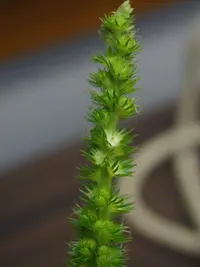
The plant produces slender, dangling flower spikes (catkins) with reduced, inconspicuous petals, an adaptation that favors wind and small insect assistance in pollen transfer rather than showy pollinator attraction.

FAQs about Acalypha persimilis

Brown, crispy leaf edges usually result from low humidity, excess fertilizer salts, or inconsistent watering. Flush the potting mix with plain water, trim damaged tips, increase humidity slightly, and resume a steady, moderate watering routine.

Grow Healthy Plants with Botan Care

Keep your plants happy and healthy with plant identification, disease detection, and easy care guidance.

Botan plant care app — identify plants on mobile

Explore More Plants