Tillandsia punctulata Care

Tillandsia punctulata

About Tillandsia punctulata

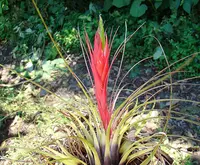
Tillandsia punctulata is an epiphytic air plant from Central America, where it typically grows on trees in warm, humid forests. It belongs to the bromeliad family and absorbs water and nutrients mainly through its leaves rather than roots.

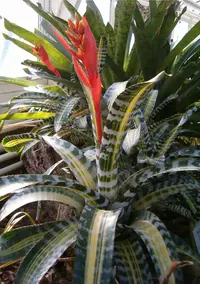
Plants form upright rosettes of narrow, dark green leaves and can produce a tall flower spike with tubular blooms. The growth habit is compact, making it suitable for mounting on wood, placing in decorative holders, or using in terrariums with good air flow.

This species is considered relatively easy to grow, since it tolerates a range of indoor conditions if it receives bright light, regular moisture, and good air circulation. Many people find it straightforward to care for Tillandsia punctulata once these basics are met.


Main Plant Requirements

Care Difficulty

Moderate Care

Light Preference

Bright Indirect Light

Water Requirements

Moderate Water

Temperature Preference

Tropical / Frost Sensitive

Hardiness Zone

10–12

Soil Texture

Rocky, Sandy, Organic-rich

Soil pH

Acidic (5.5–6.5)

Soil Drainage

Well-drained

Fertilization

Light (every 4–6 weeks)

Get Personalized Care Plan

Scan your plant to receive care tips personalized for your specific plant

Available on iOS and Android

How to Care for the Tillandsia punctulata

This epiphytic species prefers bright, indirect light with limited direct sun exposure.

  • Provide 4–6 hours of bright, filtered light daily, such as under a shade cloth or in dappled tree shade, with only soft early-morning sun.
  • Protect Tillandsia punctulata from strong midday and afternoon sun, which can scorch leaves, cause bleaching, and create dry, brown tips.
  • In winter, increase light by moving it to a brighter spot or closer to a window, while still avoiding harsh, concentrated direct rays.

Watering focuses on thorough wetting followed by quick drying of the leaves and base.

  • Soak or heavily mist the plant until fully wet, then allow it to dry completely within 3–4 hours; repeat when leaf surfaces feel crisp rather than cool and plump.
  • Reduce soaking frequency in cool, low-light seasons and increase in hot, dry, or windy conditions, focusing on environmental changes rather than exact days.
  • Watch for overwatering signs like limp, dark, or mushy bases, and underwatering signs like rolling, curling, or very brittle leaves.

This species prefers warm, frost-free conditions with moderate temperature swings.

  • Aim for 65–80°F (18–27°C) for active growth, similar to mild tropical or subtropical conditions with good air circulation.
  • Avoid temperatures below 40°F (4°C), as prolonged exposure near this level can damage tissues, and protect from any frost, which can be fatal.
  • In hot spells above 90°F (32°C), increase air movement and humidity, and provide shade to prevent heat stress and leaf desiccation.

This species prefers moderately humid air but tolerates typical indoor conditions if watered correctly.

  • Aim for 40–60% humidity and supplement with brief misting if room air is very dry.
  • Dry, curling leaf tips and slowed growth indicate humidity stress or prolonged dehydration.
  • Increase humidity with nearby water trays, grouping plants, or running a small humidifier without wetting the plant constantly.

Tillandsia punctulata is an epiphytic air plant and should never be planted in traditional potting soil.

  • Attach it to bark, cork, or rock, or place it loosely in a ventilated container so air flows freely around all sides.
  • Keep any decorative substrate (orchid bark, lava rock, large gravel) dry and open-textured, only serving as support, not as a moisture-holding medium.
  • Avoid peat-based or compact mixes that trap water, since constant moisture around the base promotes rot.
  • If mounting, use minimal, non-absorbent ties or wire so the base remains exposed and dries quickly after watering.

This species can be grown in containers as long as it remains above the substrate and fully aerated.

  • Use open containers such as mesh baskets, slatted holders, or wide dishes that allow unrestricted air movement around the leaves and base.
  • Choose a stable, low, wide container if the plant becomes top-heavy so it does not tip when drying after soaking.
  • Avoid glass containers without large ventilation openings because trapped humidity and stagnant air increase the risk of rot.

This epiphytic air plant benefits from light, diluted feeding during active growth rather than heavy fertilization.

  • Use a balanced, water‑soluble NPK orchid or air‑plant fertilizer at 1⁄4–1⁄2 strength.
  • Feed Tillandsia punctulata every 3–4 weeks in spring and summer after soaking or misting.
  • Reduce feeding to 1 light application every 6–8 weeks in fall and winter.
  • Avoid slow‑release granules or compost, which can burn leaves or encourage rot on retained moisture.

Pruning needs are minimal and focus on hygiene rather than reshaping the plant.

  • Best time for light pruning is after flowering or in late spring when growth is active.
  • Remove dry flower spikes, brown leaf tips, and fully dead leaves with clean, sharp scissors.
  • Trim only completely dry tissue to avoid opening fresh wounds that invite rot.
  • Removing old spent parts improves air flow, tidies the clump, and highlights healthy Tillandsia punctulata foliage.

This air plant is usually mounted or placed loosely rather than potted in soil, so transplanting focuses on repositioning, not traditional repotting.

  • Move the plant when it outgrows its mount, becomes unstable, or shows shading from overcrowded clumps.
  • Best timing is spring to early summer, when conditions favor quick recovery.
  • Typical frequency is every 2–4 years, or when mounts decay or no longer dry quickly after watering.
  • Gently detach the plant, avoid damaging the base, then secure onto a new, well‑ventilated mount that dries within 4 hours after soaking.

Propagation is commonly done by separating offsets rather than from seed for home growers.

  • Wait until pups reach about 1⁄3–1⁄2 the size of the parent Tillandsia punctulata before removal.
  • Best season for division is spring or early summer, under bright, indirect light and good air movement.
  • Gently twist or cut pups away at the base with sterile tools to keep wounds small.
  • Mount new offsets individually, then mist lightly several times a week until well anchored and growing.

Cold sensitivity means this species needs protection in climates with frost or prolonged cold.

  • Keep plants above 40°F; sustained exposure near freezing can damage foliage and the central crown.
  • In cold regions, grow Tillandsia punctulata on removable mounts so they can be brought indoors for winter.
  • Indoors, provide bright light, good air circulation, and slightly reduced watering to prevent rot.
  • Ensure plants dry fully within a few hours after winter watering, when evaporation is slower.

Care Tips

Targeted air circulation

Place the plant where it receives gentle, consistent airflow from a ceiling or oscillating fan rather than still corners, which helps dry excess moisture on the leaves and reduces fungal and bacterial issues when caring for Tillandsia punctulata.

Rinse to reset salts

Every 4–6 weeks, thoroughly rinse the plant under room-temperature tap water for 20–30 seconds to flush out accumulated fertilizer salts and dust, then shake off excess water and dry it upside down to prevent water from pooling in the leaf bases.

Quarantine new plants

Keep any newly acquired air plants at least 2–3 weeks in a separate area and inspect them weekly with a magnifying glass to catch and treat mealybugs, scale, or mites before they spread to established specimens.

Seasonal light repositioning

Adjust the plant’s position seasonally, moving it farther from south- or west-facing windows in summer and closer in winter, to balance strong seasonal shifts in light intensity without changing the basic exposure type.

Mounting for drainage

When mounting, fix the base to cork, driftwood, or other non-absorbent material using waterproof, plant-safe glue or soft wire, leaving the lower leaves free so that water can drain off completely after each soak or misting.

Common Pests and Diseases

Scale insects

This pest feeds on leaf surfaces and leaf bases, causing yellowing, dull color, and weak growth in rosettes and clumps. Symptoms include small, rounded or oval bumps that feel hard and do not brush off easily.

Solution

Remove affected plants from display, then gently scrub or pick off visible scale with a soft brush or cotton swab dipped in isopropyl alcohol, keeping the plant tilted so liquid drains away. Rinse the foliage thoroughly with room‑temperature water, improve air movement around the plant, and repeat inspections weekly until no new insects appear, which is an important step in long‑term Tillandsia punctulata care instructions.

Mealybugs

These insects hide in the leaf bases and among pups, leaving white cottony clusters and sticky honeydew that can lead to sooty mold. This pest weakens plants and can distort new growth if populations become heavy.

Solution

Physically remove visible mealybugs with a cotton swab dipped in isopropyl alcohol, focusing on tight leaf joints and around offsets. After treatment, rinse the plant thoroughly, let it dry quickly in bright, airy conditions, and isolate it from other air plants until several clean inspections confirm the infestation is gone.

Spider mites

These insects thrive on dry, stagnant air and can cause fine stippling, a dull or silvery look to the leaves, and very fine webbing deep in the rosette. This pest is more common indoors in heated, low‑humidity rooms.

Solution

Rinse the plant under a strong but gentle stream of lukewarm water, aiming into the leaf bases to dislodge mites and webs, then let it dry quickly in bright, indirect light. Increase air circulation, avoid very dry stagnant air, and repeat strong water rinses every few days until no webbing or new stippling appears.

Bacterial soft rot

This disease starts in water‑holding leaf bases and causes soft, brown, foul‑smelling tissue that spreads rapidly through the rosette. Symptoms include collapsing leaves and mushy areas at the center of the plant.

Solution

Immediately isolate the affected plant, then trim out all soft, discolored tissue with sterile tools and discard any severely rotted parts. Allow the plant to dry completely in a very airy spot, avoid soaking or prolonged wetting of the central rosette, and only resume light misting once remaining tissue is firm and odor‑free.

Leaf spot (fungal)

This disease appears as small brown, tan, or dark purple spots on leaves, sometimes with a yellow halo, often following prolonged leaf wetness and poor air circulation. Symptoms include slow cosmetic damage that can spread if conditions stay damp and stagnant.

Solution

Remove the most affected leaves or leaf tips with sterile scissors to reduce spore load, then keep the plant in a brighter, well‑ventilated spot and let it dry quickly after any watering or misting. If spotting continues to expand, use a labeled low‑residue fungicide suitable for bromeliads, applied lightly and followed by good airflow to prevent future outbreaks.

Interesting Facts

Mesoamerican cloud-forest native

This species is native to humid montane forests from southern Mexico through Central America, where it grows on tree trunks and branches in cool, misty habitats rather than in hot, arid regions like many other air plants.

Unusually dark rosette foliage

It forms a dense rosette of narrow, dark green to nearly black leaves, a deeper coloration than is typical for many Tillandsia species, which helps it tolerate lower light in forest understories.

Nighttime carbon uptake

Like other bromeliads with crassulacean acid metabolism (CAM), it opens its stomata mainly at night to take in CO₂, an adaptation that reduces water loss but is especially useful for growing Tillandsia punctulata in drier indoor air.

Botan icon

Did you know?

In parts of its native range, this species often occupies the same host trees as orchids and mosses, forming complex epiphytic communities that trap leaf litter and moisture, creating miniature canopy habitats for insects and other small organisms high above the forest floor.

FAQs about Tillandsia punctulata

Lack of flowering usually comes from insufficient light, low humidity, or no fertilizer. Provide bright, filtered light, regular misting, and occasional very dilute bromeliad or air-plant fertilizer to support bud formation over several months.

Grow Healthy Plants with Botan Care

Keep your plants happy and healthy with plant identification, disease detection, and easy care guidance.

Botan plant care app — identify plants on mobile

Explore More Plants