Sakaki Care (Cleyera japonica)

Sakaki

About Sakaki

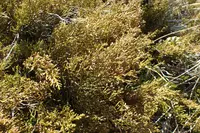
Sakaki, Cleyera japonica, is an evergreen shrub or small tree valued for its dense, glossy foliage and neat, upright growth. It is native to Japan, Korea, and parts of China, where it often grows in warm, humid forests.

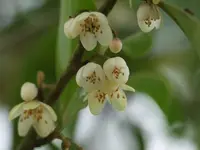
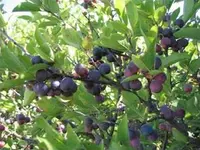
The plant typically forms a rounded to columnar shape with leathery leaves that stay attractive year-round. Small, fragrant, creamy-white flowers are followed by dark berries that add subtle ornamental interest.

Its slow to moderate growth rate, tolerance of shade, and generally low pest pressure make it a relatively easy plant for gardeners who learn how to care for Sakaki. It prefers consistent moisture, slightly acidic, well-drained soil, and protection from harsh, drying winds.

Main Plant Requirements

Care Difficulty

Moderate Care

Light Preference

Partial Shade

Water Requirements

Moderate Water

Temperature Preference

Warm Climate

Hardiness Zone

7–10

Soil Texture

Loamy, Clay, Organic-rich

Soil pH

Acidic (5.5–6.5), Slightly acidic (6.5–7.0)

Soil Drainage

Moist but well-drained

Fertilization

Minimal (feed rarely)

Get Personalized Care Plan

Scan your plant to receive care tips personalized for your specific plant

Available on iOS and Android

How to Care for the Sakaki

Cleyera japonica prefers bright, gentle light that avoids harsh afternoon sun for best foliage color and health.

  • Provide 3–5 hours of morning sun with light shade or dappled light in the afternoon, especially in hot summer climates.
  • Tolerates partial to full shade, but growth becomes looser and leaf color duller if light stays below roughly 2–3 hours of sun daily.
  • In very bright, hot sites, Sakaki benefits from protection such as a north- or east-facing exposure to prevent leaf scorch and bronzing.

This shrub prefers consistently moist, well-drained soil that never stays soggy for long periods.

  • Water when the top 3–5 cm of soil feels dry, applying a slow, deep soak so moisture reaches the full root zone without flooding the area.
  • Reduce watering in cool seasons, but do not allow soil to dry completely; leaves curling or dulling at the tips suggests underwatering.
  • Yellowing leaves, soft stems, or a sour soil smell indicate overwatering; improve drainage with organic matter and avoid standing water around Cleyera japonica.

This species grows best in mild, stable temperatures and tolerates moderate heat once established.

  • Optimal growth occurs around 60–80°F (16–27°C), with steady conditions supporting dense foliage and reliable new shoots.
  • Mature plants usually tolerate short dips to about 10–15°F (-12 to -9°C), but young shrubs are more vulnerable and benefit from winter protection.
  • In hot regions with summer temperatures above 90°F (32°C), provide mulch and afternoon shade to limit root stress and leaf scorch.

This species prefers moderate humidity but adapts to many home conditions.

  • Aim for 40–60% humidity to keep foliage dense and glossy on Sakaki.
  • Tolerates short periods of drier air, but prolonged humidity below 35% can cause leaf tip browning and edge crisping.
  • Increase humidity with a wide pebble tray under the pot or by grouping plants, rather than misting, to reduce fungal risk.

Cleyera japonica grows best in evenly moist, well-aerated soil with steady drainage.

  • Use a loose, loamy mix built from roughly 2 parts pine bark fines, 1 part compost, and 1 part perlite or coarse sand.
  • Keep pH slightly acidic to neutral, around 5.5–7.0, to support nutrient uptake and stable foliage color.
  • Ensure water drains freely within a few seconds from the container base; waterlogging quickly damages fine feeder roots.
  • Avoid heavy clay or peat-only mixes; lighten dense soils with bark and perlite to improve aeration and prevent compaction.

This shrub is suitable for container growing when given a stable, well-drained setup.

  • Choose a deep, heavy pot that resists tipping as the shrub becomes woody and top-heavy.
  • Select a container 5–10 cm wider than the root ball to allow root spread without creating a large, wet outer soil ring.
  • Use a pot material with moderate porosity, such as thick-walled ceramic, to buffer moisture swings between irrigations.

Cleyera japonica benefits from moderate feeding in containers and nutrient-poor soils, but established landscape plants often need only light supplementation.

  • Use a balanced slow-release fertilizer (around 10-10-10) or well-rotted compost in early spring to support new growth when caring for Sakaki.
  • Feed container plants every 6–8 weeks during the growing season, following label rates at 50–75% strength to avoid salt buildup.
  • Reduce or stop fertilizing in fall and winter, as growth slows and excess nutrients can stress roots.
  • After applying fertilizer, water thoroughly to distribute nutrients evenly and reduce the risk of root burn.

Cleyera japonica responds well to light, thoughtful pruning that maintains its natural, dense form.

  • Time main pruning for late winter to early spring before new flushes of growth, avoiding heavy cuts during summer heat or drought.
  • Remove dead, diseased, or storm-damaged wood first, cutting back to healthy tissue with clean, sharp bypass pruners or loppers.
  • Thin crowded, inward-growing branches to improve light penetration and air flow, which helps reduce foliar disease risk.
  • Shorten overly long shoots slightly to refine shape and keep hedges or screens compact without shearing into old, leafless wood.

This evergreen shrub is more often transplanted in landscapes than repotted, but container-grown plants occasionally need a larger pot.

  • Look for roots circling the pot drainage holes, quick drying of the soil, or slowed growth as signs a container plant needs a size upgrade.
  • Plan transplanting or repotting for early spring or early fall, when temperatures are mild and the plant can re-establish before heat or hard frost.
  • For containers, move up only 1–2 pot sizes, loosen circling roots gently, and replant into a well-draining, slightly acidic mix.
  • After transplanting into the ground or a new pot, water deeply, shade from intense sun for 1–2 weeks, and keep soil evenly moist to limit transplant shock.

New Cleyera japonica plants are most often produced from semi-ripe stem cuttings, as seeds are slow and variable.

  • Take 7–10 cm semi-ripe cuttings in late summer, selecting non-flowering shoots with firm but still flexible stems.
  • Remove lower leaves, dip the cut end in rooting hormone, and insert into a sterile, well-draining medium such as 1:1 perlite and peat or coco coir.
  • Maintain high humidity (using a dome or plastic cover), bright but indirect light, and soil temperatures around 68–75°F for reliable rooting.
  • Seeds can be sown fresh in fall, kept cool and moist for natural stratification, then grown on slowly under bright, frost-free conditions.

Mature Cleyera japonica shrubs are generally cold hardy in mild climates but benefit from some winter protection in colder regions.

  • Expect good performance in areas roughly equivalent to USDA zones 7–9, with foliage damage possible in extended freezes or strong winter wind.
  • Apply a 5–8 cm layer of organic mulch around the root zone in late fall, keeping it a few cm away from the trunk to prevent rot.
  • For young or exposed plants, wrap with breathable frost cloth during hard freezes and shield from drying winter wind where possible.
  • Move container plants into a sheltered, frost-free but cool spot, such as an unheated garage or porch, and water sparingly to keep soil just lightly moist.

Care Tips

Wind-shaping hedges

In windy sites, lightly thin outer branches on the windward side in late winter to reduce sail effect and help stems flex rather than snap as the shrub gains height.

Staggered rejuvenation

Every 2–3 years, remove 1–3 of the oldest stems at the base instead of cutting everything back at once, which keeps the plant dense and glossy while avoiding shock.

Salt-spray protection

Near roads treated with de-icing salt, place a low, breathable barrier such as hessian or landscape fabric in front of plants in winter to reduce leaf scorch from salt spray.

Mulch root collar

When mulching, keep a 5–8 cm mulch-free ring around the main stem so the root collar stays dry and well-aerated, which reduces risk of bark rot and pest entry.

Low-nitrogen top-up

For long-term container specimens, top-dress annually with a thin layer of fresh, low-nitrogen shrub mix instead of repotting too often, which keeps roots undisturbed and supports steady, compact growth when growing Sakaki.

Common Pests and Diseases

Tea scale

This pest forms white, brown, or gray crust-like bumps on the undersides of leaves, often causing yellow stippling and leaf drop. Infestations are common on Cleyera foliage, especially on older, shaded branches.

Solution

Prune out heavily infested twigs and dispose of them. For light infestations, wash leaf undersides with a soft cloth and soapy water, then use horticultural oil or a labeled systemic product in late winter and again in early summer, making sure to thoroughly coat the undersides of leaves where scales feed.

Armillaria root rot

This disease causes gradual decline, wilting, and branch dieback, often in poorly drained or previously wooded sites. Symptoms include white fungal mats beneath the bark at the root crown and dark rhizomorphs (string-like fungal strands) on roots or in soil.

Solution

Remove and destroy severely affected plants, including as much of the root system as possible, and avoid replanting woody hosts in the same spot. Improve site drainage, avoid deep mulching against the trunk, and choose resistant species for replanting if the site has a history of Armillaria.

Leaf spot

This disease produces small brown to purplish spots on leaves that may merge into larger blotches, sometimes leading to premature leaf drop. Symptoms include more severe spotting during warm, wet weather or when foliage stays damp for long periods.

Solution

Prune to open the canopy and improve air movement, and avoid overhead watering that keeps leaves wet. Remove and discard heavily spotted fallen leaves, and if needed, apply a labeled ornamental shrub fungicide at the first sign of spotting during wet seasons, following all label directions for Cleyera japonica care.

Spider mites

These insects are tiny, sap-feeding arachnids that cause fine stippling, bronzing, and a dull, dusty appearance on leaves, sometimes with delicate webbing between foliage. Damage often increases during hot, dry conditions or when shrubs are stressed.

Solution

Spray foliage thoroughly with a strong stream of water to knock mites off the plant, repeating weekly during outbreaks. If populations remain high, use horticultural oil or insecticidal soap directed at the undersides of leaves, and reduce plant stress by maintaining consistent watering and avoiding excess nitrogen fertilizer.

Sooty mold

This disease appears as a black, soot-like coating on leaves and stems that grows on the honeydew excreted by sap-feeding insects such as scales or aphids. Symptoms include reduced photosynthesis, dull foliage, and sticky leaf surfaces.

Solution

Control the underlying honeydew-producing insects (commonly tea scale on this shrub) using washing, pruning, and targeted oil treatments, then gently wipe or rinse leaves to remove the mold. Improving light and air circulation helps foliage dry faster and reduces the persistence of sooty growth on the plant.

Interesting Facts

Evergreen temple offering

In Japan, branches of this species, called sakaki, are traditionally used as sacred offerings in Shinto rituals and placed at household altars as a symbol of purity and a link to the kami, or deities.

Shade-tolerant understory shrub

In its native range, this plant naturally grows as an understory shrub or small tree in warm-temperate forests, where it tolerates relatively low light under taller canopy trees while maintaining dense evergreen foliage.

Seasonal color changes

New leaves often emerge bronze to reddish before turning glossy dark green, while the small berries shift from green to deep red or almost black as they mature, giving the plant distinct seasonal visual phases.

Botan icon

Did you know?

The species is frequently planted as a living sound and wind barrier in Japanese urban and suburban areas, where its dense, evergreen canopy and flexible branches help reduce street noise and buffer strong seasonal winds.

FAQs about Sakaki

This species is a broadleaf evergreen, keeping its foliage year-round. Leaves are replaced gradually, so some shedding is normal. In mild climates it stays green through winter, providing reliable structure and color in hedges and foundation plantings.

Grow Healthy Plants with Botan Care

Keep your plants happy and healthy with plant identification, disease detection, and easy care guidance.

Botan plant care app — identify plants on mobile

Explore More Plants